
迅速な制作と多彩な仕上げオプションを備えた、ミュージアムクオリティのジークレーまたはキャンバスプリント。 ( 手描きの絵画を購入 デジタル画像販売へ切り替え)





























作品のオリジナル比率に合わせた、当店の規定サイズからお選びください。

特定のフレームやスペースに合わせて、ご自身でサイズを指定することも可能です。選択されたサイズが元の画像の比率と一致しない場合、作品をトリミングするか、鏡面反射または単色での塗りつぶしによって画像を拡張いたします。制作を開始する前に、ご確認用のデジタルモックアップをお送りいたします。
画面上のプレビューには、実際のトリミングや拡張は反映されませんのでご注意ください。最終的な構図を正確に確認できるのは、モックアップのみとなります。
カスタムサイズも承っておりますが、元の比率を維持するためには、あらかじめ用意されたリストからサイズを選択することをお勧めいたします。

thalys
複製画のサイズ
Jean-François Millet's “Thalys” is more than just a depiction of a woman working in a field; it’s a poignant meditation on the dignity and hardship inherent within rural life, rendered with an unflinching realism that cemented Millet’s place as a pivotal figure in the Realist movement. Painted during a period of profound social and economic transformation in 19th-century France – a nation grappling with industrialization and urbanization – Millet chose to focus on the lives of the peasantry, offering a stark contrast to the idealized portrayals prevalent at the time. The painting’s power lies not in grand narratives or heroic figures, but in the quiet intensity of a single woman engaged in her daily toil.
The central subject is a woman, identified as “Thalys,” laboring in a field. Her posture, with hands gripping a large stick, suggests an act of digging or preparing the ground – perhaps for planting or tending to crops. The composition is deliberately unadorned, emphasizing the raw physicality of her task and the vastness of the landscape surrounding her. Several other figures are present, engaged in similar activities, creating a sense of community and shared labor. Millet’s masterful use of perspective draws the viewer into this scene, fostering an immediate connection with the subjects.
Millet's style is characterized by its meticulous attention to detail and his commitment to portraying the world as he saw it – without romantic embellishment. Executed in a restrained palette of earthy tones—ochres, browns, and greens—the painting reflects the muted colors of the rural landscape. His brushwork is deliberately visible, conveying a sense of texture and immediacy. The figures are rendered with an almost sculptural quality, emphasizing their physical strength and resilience. This technique aligns perfectly with the tenets of Realism, which sought to depict everyday life accurately and honestly, rejecting idealized or allegorical representations.
"Thalys" speaks volumes about the social conditions of Millet’s time. Born in 1814 in Gruchy, France, Millet's upbringing was inextricably linked to the rhythms of agricultural life. His paintings are not simply representations of rural labor; they are a testament to the enduring spirit and dignity of those who worked the land. The image resonates with broader themes of social inequality and the displacement of traditional ways of life as industrialization gained momentum. It’s a quiet but powerful statement about the human cost of progress.
The painting's enduring appeal lies in its ability to evoke empathy and contemplation. Millet doesn’t offer judgment or sentimentality; he simply presents us with a scene of honest labor, inviting us to consider the lives of those who sustained society. “Thalys” remains a cornerstone of Realist art, influencing generations of artists who sought to capture the essence of everyday life with unflinching honesty and profound respect. WahooArt’s hand-painted reproductions faithfully recreate Millet's vision, allowing you to experience the emotional depth and artistic significance of this iconic work firsthand.


1814 - 1875 , フランス

ジョン・コンスタブルの傑作25選。英国風景画の巨匠が描く自然と光の詩の世界へ。ロマン主義を代表する絵画、デダム・ヴェールやヘイ・ウェインなど、WahooArtで高品質なアートプリントをお楽しみください。インテリアに深みと感動を。コレクションはこちら。

Explore the life & work of Jean-François Millet, a founder of Realism. Discover his poignant depictions of rural France, iconic paintings like 'The Angelus,' and lasting influence on art history. Learn more at WahooArt.

Explore 10 defining masterpieces of Romantic Realism! Discover Courbet, Millet & Daumier's powerful paintings—capturing emotion and social realities. Find museum-quality reproductions for your home at WahooArt.com.

Explore the captivating world of 19th-century landscape painting! Discover renowned artists like Friedrich & Monet, key movements, and find the perfect artwork to bring nature's serenity into your home. Expert insights at WahooArt.
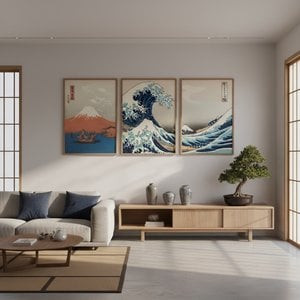
葛飾北斎の25選:『神奈川沖浪裏』や『富嶽三十六景』など、浮世絵の世界を深く探求。木版画の技法と日本美術の美をWahooArtで。高品質なアートプリントで空間に感動を。コレクションはこちら。


 プレビュー
プレビュー
 シェアする
シェアする シェアする
シェアする
 詳細を見る
詳細を見る ガイド
ガイド

 ダウンロード
 似ている作品
 X線調査
X線調査 スライドショー
 統計情報
統計情報

 詳細を見る
詳細を見る









 ガラスオプションは、110cm未満のサイズでのみご利用いただけます。


