
迅速な制作と多彩な仕上げオプションを備えた、ミュージアムクオリティのジークレーまたはキャンバスプリント。 ( 手描きの絵画を購入 デジタル画像販売へ切り替え)





























作品のオリジナル比率に合わせた、当店の規定サイズからお選びください。

特定のフレームやスペースに合わせて、ご自身でサイズを指定することも可能です。選択されたサイズが元の画像の比率と一致しない場合、作品をトリミングするか、鏡面反射または単色での塗りつぶしによって画像を拡張いたします。制作を開始する前に、ご確認用のデジタルモックアップをお送りいたします。
画面上のプレビューには、実際のトリミングや拡張は反映されませんのでご注意ください。最終的な構図を正確に確認できるのは、モックアップのみとなります。
カスタムサイズも承っておりますが、元の比率を維持するためには、あらかじめ用意されたリストからサイズを選択することをお勧めいたします。

La lessiveuse
複製画のサイズ
Jean-François Millet's "La Lessiveuse" (The Washerwoman) is more than just a depiction of a woman at work; it’s a profound meditation on the dignity and hardship of rural life in 19th-century France. Painted in 1849, this iconic scene captures a moment of quiet intensity within a humble kitchen, offering viewers an intimate glimpse into the daily existence of a peasant family. The painting's enduring power lies not just in its subject matter but also in Millet’s masterful Realist technique and his ability to imbue ordinary figures with extraordinary significance.
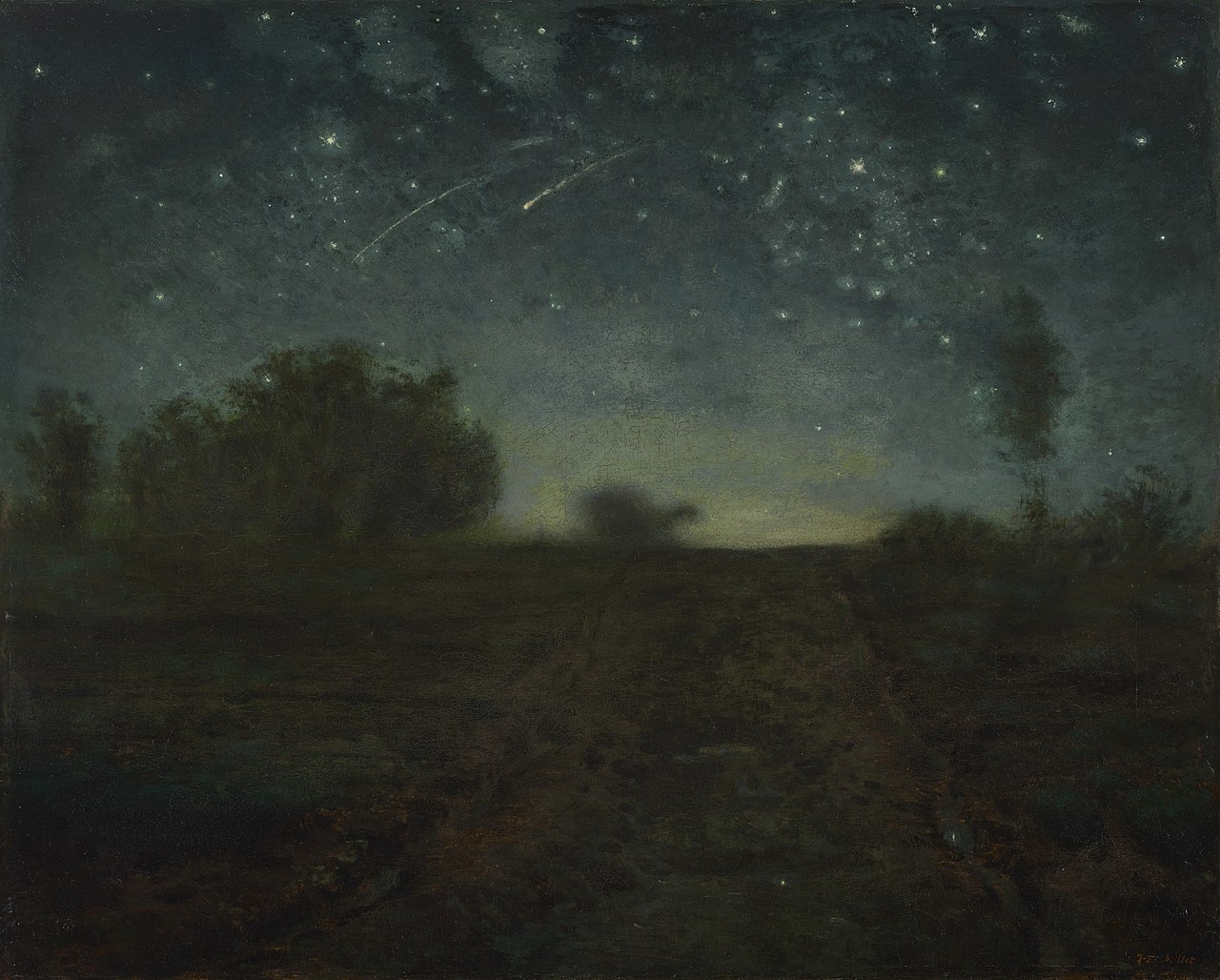
The composition itself is remarkably simple yet profoundly effective. The woman, her back to the viewer, dominates the foreground, meticulously pouring water into a large barrel – likely for washing clothes. Her posture, the slight curve of her spine, and the way she holds herself speak volumes about years of physical labor. The surrounding details—the worn wooden chair, the flickering fireplace casting a warm glow, the carefully arranged bottles and bowl—create a believable domestic setting, transporting us directly into this woman’s world.
Millet was a key figure in the Barbizon school of painting, a movement that rejected the idealized subjects favored by the established Salon. Instead, the Barbizon artists sought to depict rural life as it truly was – with its hardships, its beauty, and its inherent dignity. Millet’s work is characterized by its meticulous observation of detail, his use of earthy tones, and his commitment to portraying ordinary people without sentimentality or judgment. He wasn't interested in glorifying peasant life; he wanted to show it as it *was*, a testament to the resilience and strength of those who worked the land.
The painting’s realism extends beyond mere representation. Millet employed a technique of layering thin glazes of oil paint, building up color gradually to achieve a remarkable sense of texture and depth. The rough surface of the barrel, the worn fabric of the woman's apron, and the flickering flames in the fireplace are all rendered with astonishing accuracy, contributing to the painting’s palpable sense of authenticity.
“La Lessiveuse” is rich in symbolic meaning. The act of washing clothes itself can be interpreted as a metaphor for purification – both physical and spiritual. The woman's solitary activity suggests a quiet contemplation, a moment of respite from the relentless demands of daily life. The warm light of the fireplace offers a sense of comfort and security, while the cool tones of the barrel and water evoke a feeling of hard work and perseverance.
Millet’s ability to capture such profound emotion in a seemingly simple scene is what makes “La Lessiveuse” so enduringly powerful. It's a painting that invites us to reflect on themes of labor, dignity, and the human condition – themes that remain relevant today. The painting’s impact resonates with viewers because it speaks to something fundamental about our shared humanity.
Originally created in 1849, “La Lessiveuse” was acquired by the Louvre Museum in 1902. It remains a central work within the museum’s collection of French Realist paintings, demonstrating Millet's pivotal role in shaping the course of art history. Its presence in the Louvre underscores its artistic merit and historical importance, offering a tangible connection to one of France’s most celebrated artists.


1814 - 1875 , フランス

Explore the enigmatic world of Magic Realism. From its German origins to Latin American mastery, discover how this sophisticated movement blends reality with the extraordinary—perfect for discerning collectors seeking depth and wonder in fine art.


 プレビュー
プレビュー
 シェアする
シェアする シェアする
シェアする
 詳細を見る
詳細を見る ガイド
ガイド

 ダウンロード
 似ている作品
 X線調査
X線調査 スライドショー
 統計情報
統計情報


 詳細を見る
詳細を見る









 ガラスオプションは、110cm未満のサイズでのみご利用いただけます。


