Oil On CanvasWallArtRealism
 1845
1845 70.0 x 97.0 cm
 エルミタージュ美術館
スピーディーな制作と多彩な仕上げオプションが魅力の、ミュージアムクオリティなジークレー・キャンバスプリント。 ( 手描きの複製画を注文する デジタル画像販売へ切り替え)





























作品のオリジナル比率に合わせた、当店の規定サイズからお選びください。

額縁や壁のスペースに合わせて、ご希望の幅と高さを入力してください。プリントはカットすることは可能ですが、元の画像より大きくすることはできないため、異なる比率のサイズを選択された場合は、画像の一部が欠けることになります。印刷を開始する前に、内容を確認していただくためのデジタルモックアップをお送りいたします。このページに表示されている画像は、実際のカット後の状態を示すものではありません。実際の仕上がりはモックアップにてご確認ください。
Study
複製画サイズ一覧
Jean-Baptiste Madou, a pivotal figure in the history of Belgian art, possessed an extraordinary ability to capture the essence of everyday life. His paintings weren’t grand historical narratives or mythological scenes; instead, he focused on the bustling realities of his time – the social interactions, labors, and simple pleasures of ordinary people. “Study,” painted in 1845, offers a remarkably intimate glimpse into this world, transporting us to a lively tavern interior brimming with activity and conversation. It’s more than just a depiction of a room; it's a carefully constructed tableau vivant, a frozen moment of communal life that speaks volumes about the values and rhythms of 19th-century Belgium.
The painting immediately draws the eye into a crowded space, meticulously rendered with a keen observational eye. Madou’s composition is deliberately dense, layering figures across multiple levels – men standing at tables, women seated, children playing on the floor. This creates a powerful sense of depth and movement, as if we are stepping directly into the heart of the scene. The artist skillfully employs overlapping forms and receding planes to achieve this effect, mimicking the visual experience of navigating a busy public space. The perspective is subtly flattened, a common technique in genre paintings designed to accommodate the numerous figures within a confined setting, prioritizing the overall narrative over strict realism.
Madou’s style leans heavily towards realism, yet it's far from a purely objective representation. He imbues his scenes with a theatrical quality, suggesting an underlying story or event unfolding before our eyes. The figures are not simply posed; they are engaged in animated conversation, drinking, eating, and playing – typical activities for such a space. A man reading aloud to the group adds a layer of narrative complexity, hinting at shared stories and communal bonds. The brushwork is visible, adding texture and character to the scene, reflecting Madou’s commitment to capturing the materiality of his subjects. Notice how he uses short, broken strokes to define the rough plaster walls and wooden furniture, contrasting with smoother, blended techniques for rendering the clothing and faces.
The lighting is particularly striking, emanating from an unseen source above and slightly in front of the scene. This creates a dramatic interplay of light and shadow, defining the forms of the figures and adding volume to the space. The darker areas suggest intimacy and enclosure, while the brighter patches highlight moments of interaction and activity. Madou’s masterful use of chiaroscuro – the contrast between light and dark – not only enhances the visual impact but also contributes to the painting's overall mood, creating a sense of warmth and conviviality.
Beyond its immediate depiction of tavern life, “Study” offers subtle insights into 19th-century Belgian society. The abundance of food and drink – overflowing platters, brimming tankards – symbolizes prosperity and hospitality, reflecting the relative economic stability of the period. The presence of children adds a touch of innocence and playfulness, reminding us of the future generations within this community. However, there’s also an element of social observation; Madou subtly captures the dynamics of power and interaction within the group, hinting at hierarchies and unspoken rules. The scene is not simply celebratory; it's a carefully observed portrait of a complex social fabric.
“Study” by Jean-Baptiste Madou stands as a testament to his remarkable talent for capturing the spirit of his time. Reproductions, such as those offered by WahooArt.com, allow us to appreciate the painting’s intricate details and vibrant atmosphere in our own homes. Whether adorning a living room wall or serving as a focal point in an office space, this artwork evokes a sense of warmth, community, and timeless charm. It's a window into a bygone era, inviting viewers to contemplate the enduring values of social connection and shared experience.
エルミタージュ美術館に所蔵されているJean Baptiste Madou作「Study」は、パブリックドメイン(著作権消滅)です。このステータスにより、画像の複製が可能かどうかが決まります。
「Study」は、Jean Baptiste Madouの他の作品と同様に、Realism様式と、描き続けられてきたテーマであるrealistic village scenes, documenting daily life, belgian artistic legacy, dutch golden age realism, genre painting tradition, detailed observation, social customs of 1845, everyday life portraitを共有しています。
Large サイズ、Landscape 方向:こちらは Jean Baptiste Madou作「Study」 に推奨されるプリント設定です。


1796 - 1877 , Belgium

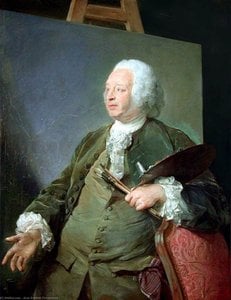
Discover the ethereal beauty of Jean-Baptiste-Camille Corot. Explore how this master of light bridged Neoclassicism and Impressionism through his atmospheric landscapes, capturing the timeless essence of the French countryside with unparalleled poetic brilliance.
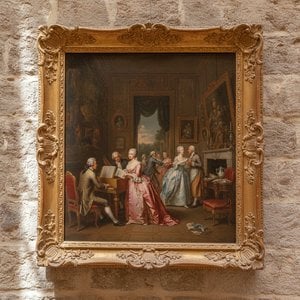
Explore the profound beauty of genre painting. From Dutch Golden Age masters to global traditions, discover how artists capture the essence of everyday life through masterful realism and timeless storytelling.

 設置イメージを確認
 送る
送る シェア
シェア
 詳細情報
詳細情報 ガイドを表示

 画像をダウンロード
 似ている作品
 X線調査
X線調査 スライドショー
 統計情報
統計情報 続きを読む
続きを読む









 ガラスオプションは、110cm未満のサイズでのみご利用いただけます。