x


 Oil On CanvasWallArtNeoclassical Elegance
 1780
1780 56.0 x 46.0 cm
 エルミタージュ美術館
迅速な制作と多彩な仕上げオプションを備えた、ミュージアムクオリティのジークレーまたはキャンバスプリント。 ( 手描きの絵画を購入 画像を購入)





























作品のオリジナル比率に合わせた、当店の規定サイズからお選びください。

特定のフレームやスペースに合わせて、ご自身でサイズを指定することも可能です。選択されたサイズが元の画像の比率と一致しない場合、作品をトリミングするか、鏡面反射または単色での塗りつぶしによって画像を拡張いたします。制作を開始する前に、ご確認用のデジタルモックアップをお送りいたします。
画面上のプレビューには、実際のトリミングや拡張は反映されませんのでご注意ください。最終的な構図を正確に確認できるのは、モックアップのみとなります。
カスタムサイズも承っておりますが、元の比率を維持するためには、あらかじめ用意されたリストからサイズを選択することをお勧めいたします。

Self-Portrait
複製画のサイズ
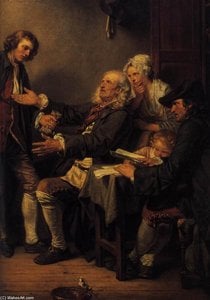
To stand before this depiction of a man with distinguished white hair, pipe held thoughtfully in his mouth, is to step directly into the emotional landscape of late eighteenth-century France. Jean-Baptiste Greuze, master chronicler of human feeling, has captured not merely a likeness, but a moment imbued with quiet contemplation. The subject gazes out, seemingly connecting with the viewer across the span of two centuries. His attire, suggesting an earlier epoch, anchors him in a time when sentimentality was becoming the dominant current in art. Yet, it is the subtle presence of the two other figures—one flanking the left, another on the right—that enriches the narrative, transforming what might be a simple portrait into a complex tableau of social interaction.
Greuze’s genius lay in his ability to elevate everyday life—the genre scene—to the level of high art. While academic painters often gravitated toward grand historical epics or mythological grandeur, Greuze found his profound resonance in the intimate dramas of ordinary people. This Self-Portrait, dated around 1780, exemplifies this focus. The technique employed speaks to a mastery of tonal subtlety; observe how the light catches the texture of the brown coat and the wisps of white hair. It is a painting that rewards close inspection, allowing the eye to wander from the direct gaze of the central figure to the muted activities unfolding around him. This careful balance between individual focus and surrounding narrative depth is characteristic of his most compelling works.
The period surrounding 1780 was a time of profound intellectual ferment, one where emotion began to challenge rigid classical structures. Greuze’s work resonated deeply with the burgeoning sentimental taste—a cultural shift that valued empathy, domestic virtue, and relatable human struggle over sheer grandeur. The inclusion of multiple figures suggests a community moment, perhaps a gathering or an informal portrait session. These secondary characters are not mere props; they participate in the atmosphere, grounding the central figure's introspection within a tangible social reality. Owning a reproduction of this piece allows one to bring that historical resonance—that feeling of intimate, observed life—into a modern setting.
The pipe itself functions as more than just an accessory; it is a classic symbol of contemplation, reflection, and perhaps even melancholy wisdom. The man seems caught between the outward performance of his composure and the deep thoughts suggested by his posture. For the collector or designer, this painting offers immediate emotional depth. It speaks to the quiet dignity found in aging, in companionship, and in the act of simply observing life unfold. Whether placed above a mantelpiece or within a gallery setting, this artwork does not shout for attention; rather, it invites the viewer into a hushed, thoughtful conversation, making it an exquisite piece for those who appreciate art with a soulful whisper.


1725 - 1805

Discover the profound allure of oil on canvas. Explore the mastery of impasto textures, the science of pigment longevity, and expert guides to selecting museum-quality reproductions that elevate your collection with timeless elegance and tactile depth.

Discover the enduring allure of oil on canvas. Explore how master techniques like impasto and glazing create the depth, texture, and emotional resonance found in the world's greatest masterpieces. An essential guide for fine art enthusiasts and discerning collectors.

Discover the enduring allure of hand-painted oil reproductions. WahooArt offers museum-quality, archival masterpieces designed for discerning collectors seeking timeless beauty and a lasting legacy. Invest in fine art that transcends generations with our expert craftsmanship.
Discover the exquisite journey of transforming digital photography into bespoke oil masterpieces. Experience unparalleled craftsmanship with hand-painted reproductions that bridge modern memories and timeless fine art excellence.


最新の美術ニュース、限定オファー、そしてインテリアのアイデアをいち早くお届けします。
お客様のプロジェクトについてお聞かせください。当社の美術専門家が、お客様に合わせた3つのパーソナライズされた芸術提案をご提供いたします。
あなたにぴったりの3作品を無料で厳選いたします


 プレビュー
プレビュー
 シェアする
シェアする シェアする
シェアする
 詳細を見る
詳細を見る

 ダウンロード
 似ている作品
 X線調査
X線調査 スライドショー
 詳細を見る
詳細を見る









 ガラスオプションは、110cm未満のサイズでのみご利用いただけます。