
当社のアーティストが、お客様のご希望のサイズと額縁に合わせて、キャンバスに手描きで制作する油彩画です。 ( プリント版に切り替え デジタル画像販売へ切り替え)





























作品のオリジナル比率に合わせた、当店の規定サイズからお選びください。

特定のフレームやスペースに合わせて、ご希望のサイズをご入力いただけます。選択されたサイズが元の画像の比率と異なる場合、アートワークをトリミングするか、手描きで要素を追加して絵画を拡張いたします。デジタルモックアップ を制作し、制作開始前にご確認(承認)をいただきます。
画面上のプレビューは、実際のトリミングや拡張を正確に反映しているものではありません。最終的な構図は、モックアップによってのみ正確にご確認いただけます。
カスタムサイズもご利用いただけますが、元の比率を維持するためには、あらかじめ用意されたリストからサイズを選択することをお勧めいたします。

Smugglers
複製画のサイズ
Jean Baptiste Camille Corot (1796–1875), considered one of the foremost landscape painters of his era, possessed an unparalleled ability to capture the subtle beauty of the natural world. His canvases rarely depict grand vistas or dramatic storms; instead, they offer intimate glimpses into rural landscapes bathed in soft light and imbued with a profound sense of tranquility.
Corot’s style aligns closely with the burgeoning Impressionist movement, though he resisted categorization. Unlike Monet or Renoir who prioritized capturing fleeting moments of color and luminosity, Corot focused on conveying the overall mood and atmosphere of a scene—a technique known as atmospherism. He achieved this remarkable feat through meticulous observation and layering of thin glazes of oil paint, allowing light to penetrate through the pigment and creating an ethereal effect.
Corot’s distinctive brushwork is characterized by loose, horizontal strokes that mimic the contours of hillsides and valleys. These strokes are blended seamlessly together, blurring edges and merging colors to create a hazy, dreamlike quality. Crucially, he employed a technique of glazing—applying thin layers of translucent paint over previously applied layers—to build up tonal depth and luminosity gradually. This painstaking process resulted in surfaces that shimmer with reflected light and evoke the feeling of observing a landscape through mist.
Corot emerged from the Romantic movement, which championed emotion and imagination as responses to the grandeur of nature. However, he distanced himself from the overtly sentimental tendencies of his contemporaries, prioritizing accuracy and restraint. His landscapes reflect a deep appreciation for the sublime—the awe-inspiring beauty that simultaneously inspires terror and reverence—but tempered with a humanist sensibility rooted in observation and empathy.
While Corot’s paintings rarely bear explicit symbolic references, they resonate with themes of solitude, contemplation, and communion with the natural world. The muted palette – dominated by ochre yellows, earthy browns, and subtle greens – reflects the colors of the soil and vegetation, grounding the viewer in a tangible connection to the landscape. These canvases invite viewers to pause, breathe deeply, and experience the restorative power of unspoiled beauty—a timeless message that continues to captivate audiences today.
Ultimately, Corot’s landscapes transcend mere representation; they evoke a profound emotional response. They convey a sense of peace, serenity, and melancholy – capturing the fleeting moments of beauty found in everyday rural life. Viewing his paintings is akin to stepping into a tranquil sanctuary where worries fade away and one finds solace in the enduring presence of nature.


1796 - 1875 , フランス
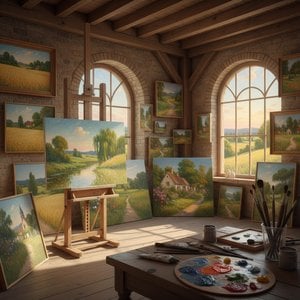
Discover the profound tranquility of rural art through an expert exploration of Impressionist landscapes. From pastoral scenes to textured oil masterpieces, learn how timeless nature-inspired artworks bring enduring elegance and serenity to sophisticated collectors.

Discover the ethereal beauty of Jean-Baptiste-Camille Corot. Explore how this master of light bridged Neoclassicism and Impressionism through his atmospheric landscapes, capturing the timeless essence of the French countryside with unparalleled poetic brilliance.


 プレビュー
プレビュー
 シェアする
シェアする シェアする
シェアする
 詳細を見る
詳細を見る

 ダウンロード
 似ている作品
 X線調査
X線調査 スライドショー
 統計情報
統計情報

 詳細を見る
詳細を見る









 ガラスオプションは、110cm未満のサイズでのみご利用いただけます。


