

迅速な制作と多彩な仕上げオプションを備えた、ミュージアムクオリティのジークレーまたはキャンバスプリント。 ( 手描きの絵画を購入 Switch to Digital Image)





























作品のオリジナル比率に合わせた、当店の規定サイズからお選びください。

特定のフレームやスペースに合わせて、ご自身でサイズを指定することも可能です。選択されたサイズが元の画像の比率と一致しない場合、作品をトリミングするか、鏡面反射または単色での塗りつぶしによって画像を拡張いたします。制作を開始する前に、ご確認用のデジタルモックアップをお送りいたします。
画面上のプレビューには、実際のトリミングや拡張は反映されませんのでご注意ください。最終的な構図を正確に確認できるのは、モックアップのみとなります。
カスタムサイズも承っておりますが、元の比率を維持するためには、あらかじめ用意されたリストからサイズを選択することをお勧めいたします。

Autumn
複製画のサイズ
Jean-Antoine Watteau, born in Valenciennes in 1684, stands as a singular figure within the annals of eighteenth-century art. His brief yet transformative career irrevocably shifted artistic sensibilities away from the grandeur and theatricality of the Baroque towards an exquisitely understated realm of elegance, leisure, and profound emotional resonance—a realm that would become synonymous with Rococo.
Unlike many artists of his time who adhered to a rigidly defined trajectory, Watteau’s path was characterized by initial obscurity within the competitive landscape of Parisian artistic institutions. Despite facing considerable challenges securing patronage and recognition, he possessed an innate talent for observation honed through formative experiences sketching the vibrant life of his hometown streets. This early exposure instilled in him a remarkable sensitivity to detail and a fascination with everyday scenes—themes that would consistently reappear throughout his oeuvre.
His formal training under local artists provided him with foundational skills, but Watteau’s true genius lay in his ability to capture fleeting moments of beauty and grace. He eschewed grand narratives and monumental compositions, opting instead for intimate landscapes populated by idealized figures engaged in pastoral pursuits—a deliberate rejection of the prevailing artistic conventions.
‘Autumn,’ painted circa 1716, exemplifies Watteau’s signature style perfectly. The Rococo movement, born from the ashes of Baroque excess, prioritized delicacy, ornamentation, and a masterful manipulation of illusionistic techniques. Watteau achieved this ethereal quality through meticulous layering of pastel hues—primarily yellows and whites—creating an atmosphere that feels both luminous and subtly melancholic.
Beyond its aesthetic beauty, ‘Autumn’ speaks volumes about the prevailing cultural anxieties of the period. The depiction of motherhood—a recurring motif in Watteau’s work—represents fertility, nurturing, and the continuity of life amidst inevitable decline. The birds perched atop branches subtly reinforce this theme, symbolizing hope and renewal against a backdrop of autumnal decay.
Furthermore, Watteau's deliberate choice to portray figures engaged in leisure activities – dancing, strolling – reflects the aristocratic obsession with refined entertainment and social grace—a preoccupation that mirrored the broader societal desire for escapism from the burdens of responsibility.
'Autumn’ remains a testament to Watteau's unparalleled ability to distill emotion into visual form. It is more than just a painting; it’s an embodiment of Rococo ideals—a celebration of beauty, tranquility, and the fleeting pleasures of human experience. Reproductions crafted with meticulous attention to detail capture the essence of Watteau’s vision, allowing viewers today to appreciate the enduring power of his artistic legacy.

1684 - 1721 , フランス

Explore the ethereal beauty of pastel art. Discover how Impressionist masters used soft hues and velvety textures to capture light. A professional guide for art enthusiasts seeking to understand, collect, and appreciate the delicate magic of this timeless medium.
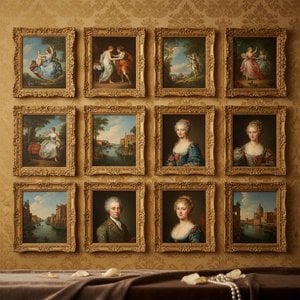
Immerse yourself in the elegance of the Rococo era. Explore 10 iconic masterpieces by legends like Fragonard and Watteau, featuring lush textures and pastel palettes. Find museum-quality art reproductions to inspire your decor. Discover all masterpieces on WahooArt.com.

 プレビュー
プレビュー
 シェアする
シェアする シェアする
シェアする
 詳細を見る
詳細を見る

 ダウンロード
 似ている作品
 X線調査
X線調査 スライドショー
 Stats
Stats

 詳細を見る
詳細を見る









 ガラスオプションは、110cm未満のサイズでのみご利用いただけます。


