
迅速な制作と多彩な仕上げオプションを備えた、ミュージアムクオリティのジークレーまたはキャンバスプリント。 ( 手描きの絵画を購入 デジタル画像販売へ切り替え)





























作品のオリジナル比率に合わせた、当店の規定サイズからお選びください。

特定のフレームやスペースに合わせて、ご自身でサイズを指定することも可能です。選択されたサイズが元の画像の比率と一致しない場合、作品をトリミングするか、鏡面反射または単色での塗りつぶしによって画像を拡張いたします。制作を開始する前に、ご確認用のデジタルモックアップをお送りいたします。
画面上のプレビューには、実際のトリミングや拡張は反映されませんのでご注意ください。最終的な構図を正確に確認できるのは、モックアップのみとなります。
カスタムサイズも承っておりますが、元の比率を維持するためには、あらかじめ用意されたリストからサイズを選択することをお勧めいたします。

The Lucca Madonna
複製画のサイズ
Jan van Eyck’s *Lucca Madonna*, completed around 1437, stands as a cornerstone of Early Netherlandish painting—a testament to meticulous observation and profound symbolic resonance. More than just a portrait of Mary cradling Jesus, it embodies the spiritual aspirations of its time, captivating viewers with its luminous beauty and masterful execution.
The painting depicts Mary seated on a wooden throne adorned with four lion statues crafted from brass—a deliberate reference to Solomon’s throne, symbolizing divine authority. This monumental chair dominates the scene, establishing a vertical axis that draws the eye upwards towards the canopy overhead. Two vases flank Mary, adding visual balance and subtly hinting at the virtues of humility and simplicity. The inclusion of a window behind Mary introduces depth and perspective, mirroring the architectural grandeur of churches during this period.
At its core, *Lucca Madonna* speaks to themes of motherhood, purity, and divine grace. Mary’s posture conveys serenity and devotion—a deliberate echo of depictions found in illuminated manuscripts and altarpieces. The infant Jesus, positioned prominently in her arms, symbolizes innocence and Christ’s divine presence. The vases and bowl serve as emblems of piety and contemplation, reinforcing the painting's spiritual message.
Van Eyck revolutionized artistic practice with his pioneering use of oil paint—a medium that allowed for unprecedented levels of realism and luminosity. He achieved this remarkable effect through a technique known as “wet-in-wet,” applying thin layers of pigment simultaneously to create subtle gradations of color and capturing the velvety texture of fabrics like Mary’s robe. The meticulous detail evident in every brushstroke—from the delicate folds of drapery to the luminous sheen on Jesus’ face—demonstrates Van Eyck's unparalleled skill.
*Lucca Madonna* flourished during the Burgundian Renaissance, a period marked by artistic innovation and intellectual fervor. This movement saw artists pushing boundaries in terms of realism and symbolism, reflecting the humanist ideals prevalent at the time. Its commission likely stemmed from a desire to honor Mary—the Virgin Mother—and express devotion within the context of religious piety.
Despite its age, *Lucca Madonna* continues to inspire admiration and contemplation. Its exquisite craftsmanship and profound symbolism transcend temporal boundaries, reminding us of the enduring power of art to convey spiritual truths. WahooArt.com offers meticulously crafted oil painting reproductions that allow collectors and enthusiasts alike to experience the majesty of this iconic masterpiece.
For more information on Jan van Eyck and his artistic legacy, visit WahooArt.com.


1390 - 1441 , オランダ
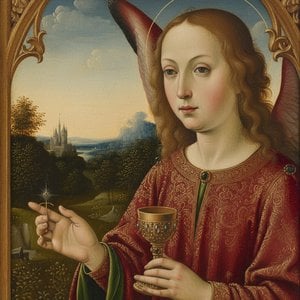
Embark on a journey through the luminous world of Early Netherlandish art. Discover the revolutionary oil techniques, microscopic realism, and sacred symbolism used by masters like Jan van Eyck to redefine Western art history in this expert-led guide.

Delve into the luminous revolution of Early Netherlandish painting. Unveil how Jan van Eyck and Flemish masters pioneered oil techniques to achieve unparalleled depth, sacred symbolism, and breathtaking realism, forever shaping the legacy of Western art history.
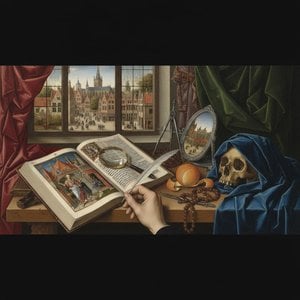
Discover the profound beauty of the Early Netherlandish Renaissance. Explore the revolutionary oil techniques, intricate symbolism, and masterful realism of Northern masters like Jan van Eyck in this expert-led guide for classical art enthusiasts.


 プレビュー
プレビュー
 シェアする
シェアする シェアする
シェアする
 詳細を見る
詳細を見る ガイド
ガイド

 ダウンロード
 似ている作品
 X線調査
X線調査 スライドショー
 統計情報
統計情報

 詳細を見る
詳細を見る









 ガラスオプションは、110cm未満のサイズでのみご利用いただけます。


