
当社のアーティストが、お客様のご希望のサイズと額縁に合わせて、キャンバスに手描きで制作する油彩画です。 ( プリント版に切り替え デジタル画像販売へ切り替え)





























作品のオリジナル比率に合わせた、当店の規定サイズからお選びください。

特定のフレームやスペースに合わせて、ご希望のサイズをご入力いただけます。選択されたサイズが元の画像の比率と異なる場合、アートワークをトリミングするか、手描きで要素を追加して絵画を拡張いたします。デジタルモックアップ を制作し、制作開始前にご確認(承認)をいただきます。
画面上のプレビューは、実際のトリミングや拡張を正確に反映しているものではありません。最終的な構図は、モックアップによってのみ正確にご確認いただけます。
カスタムサイズもご利用いただけますが、元の比率を維持するためには、あらかじめ用意されたリストからサイズを選択することをお勧めいたします。

Crucifixion 1
複製画のサイズ
Jan van Eyck’s “Crucifixion” – a work often referred to as “The Crucifixion and Last Judgement Diptych” – isn’t merely a depiction of a pivotal biblical event; it’s an immersive experience, a profound meditation on suffering, faith, and the very nature of humanity. Painted in 1420-1439, this remarkable diptych, housed within the Metropolitan Museum of Art, transcends its historical context to resonate powerfully with viewers centuries later. The sheer detail, rendered with Van Eyck’s revolutionary use of oil paint – a technique he essentially pioneered – immediately draws the eye, inviting close inspection and revealing an astonishing level of realism previously unseen in Northern European art. The scene unfolds within a meticulously constructed space: a stark, almost desolate landscape punctuated by the imposing figure of the cross, dominating the composition with its solemn weight.
At the heart of the diptych lies Jesus Christ, suspended on the cross. His posture is one of agonizing endurance; his arms outstretched in a gesture both vulnerable and defiant. Van Eyck doesn’t shy away from portraying the physical reality of crucifixion – the wounds, the contorted limbs, the visible strain on every muscle. Yet, amidst this brutal depiction of suffering, there's an undeniable sense of dignity and grace. The artist masterfully captures the subtle nuances of emotion: a hint of resignation in Christ’s face, a profound sorrow etched into his features. The surrounding figures – grieving disciples, concerned onlookers, and even soldiers – are rendered with equally meticulous detail, each contributing to the overall atmosphere of grief and contemplation.
What truly distinguishes “Crucifixion” is Van Eyck’s groundbreaking application of oil paint. Prior to this period, artists primarily relied on tempera, a medium that produced relatively flat, matte surfaces. Oil paint, however, allowed for layering, blending, and glazing – techniques that enabled Van Eyck to achieve an unprecedented level of luminosity, depth, and realism. The subtle gradations of color, the shimmering highlights, and the delicate textures are all testaments to his mastery of this innovative medium. Notice how light plays across Christ’s body, illuminating the wounds and casting long shadows, creating a dramatic interplay of form and light that elevates the scene beyond mere representation.
Furthermore, Van Eyck's meticulous attention to detail extends far beyond the figures themselves. The landscape, rendered with astonishing precision, is filled with intricate details – from the individual stones in the foreground to the distant cityscape of Jerusalem. The use of aerial perspective—creating a sense of depth through subtle variations in color and tone—further enhances the realism of the scene. This level of detail wasn’t simply for aesthetic effect; it served to immerse the viewer in the narrative, drawing them into the emotional core of the story.
Beyond its immediate visual impact, “Crucifixion” is rich in symbolic meaning. The diptych itself represents a duality—the suffering of Christ on the left wing and the anticipation of the Last Judgement on the right. The inscriptions adorning the panels – excerpts from Isaiah, Deuteronomy, and Revelation – provide theological context, reinforcing the narrative’s significance within Christian belief. The presence of various figures – soldiers, mourners, and clergy – represents the diverse range of human responses to Christ's sacrifice.
The overall effect is profoundly moving. “Cruifixion” isn’t a celebration of victory; it’s an honest portrayal of pain, loss, and redemption. It compels viewers to confront uncomfortable truths about humanity’s capacity for cruelty while simultaneously offering a glimmer of hope through the figure of Christ's sacrifice. The diptych invites contemplation on themes of faith, mortality, and the enduring power of compassion – making it a timeless masterpiece that continues to resonate with audiences today.


1390 - 1441 , オランダ

Delve into the luminous revolution of Early Netherlandish painting. Unveil how Jan van Eyck and Flemish masters pioneered oil techniques to achieve unparalleled depth, sacred symbolism, and breathtaking realism, forever shaping the legacy of Western art history.
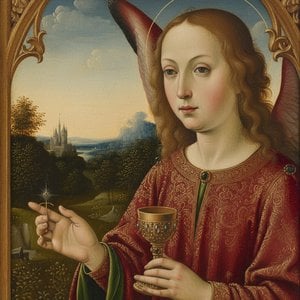
Embark on a journey through the luminous world of Early Netherlandish art. Discover the revolutionary oil techniques, microscopic realism, and sacred symbolism used by masters like Jan van Eyck to redefine Western art history in this expert-led guide.


 プレビュー
プレビュー
 シェアする
シェアする シェアする
シェアする
 詳細を見る
詳細を見る

 ダウンロード
 似ている作品
 X線調査
X線調査 スライドショー
 統計情報
統計情報
 詳細を見る
詳細を見る









 ガラスオプションは、110cm未満のサイズでのみご利用いただけます。


