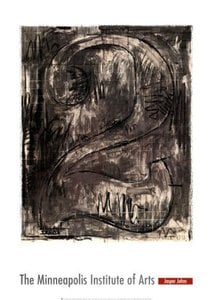
1962
1962 44.0 x 26.0 cm
オンラインプレビューをはるかに凌ぐ、高解像度で鮮明なデジタル画像をご購入いただけます。
各ファイルは、社内の専門家が高度なツールと熟練した手作業によるレタッチを用いて、細心の注意を払って準備されています。すべての画像において、卓越した鮮明度、正確な色彩再現性、そして繊細なディテールを保証いたします。
最終ファイルは、プロフェッショナルな編集・印刷環境ですぐにご利用いただけるよう最適化された状態で、72時間以内にメールにてお届けいたします。これは、一流のデザインスタジオ、出版社、ギャラリーから信頼されているものと同等の品質です。
個人での鑑賞、印刷、クリエイティブなプロジェクト用に、高解像度ファイルをダウンロードできます。 ( プリント版に切り替え 手描きの絵画を購入)
WahooArt.com を選ぶことは、単に画像を手に入れることではありません。それは、プロの手によって精密に仕上げられ、満足保証が付いた高品質なデジタルアートワークを受け取ることを意味します。ご注文いただいた際に自動的に付随する内容は、以下の通りです:

ご注文から72時間以内に、高解像度のデジタル画像ファイルがメールでお手元に届きます。すぐにそのままご利用いただけます。

お客様の作品は、高度なAIツールと専門家による手作業の編集を組み合わせてプロフェッショナルに最適化されており、細部のディテール、鮮明さ、そして正確な色再現性を最大限に引き出しています。

ファイルを誤って削除したり、紛失してしまったりしましたか?ご安心ください。いつでも無料で再送いたします。

関税や手数料、配送料を気にすることなく、お気に入りのアートワークをすぐにお楽しみいただけます。デジタルダウンロードは常に免税です。

プロ仕様のツールとカラーマネジメント技術を用いることで、デジタル画像が元の色を最大限に忠実に再現することを保証いたします。

ご購入いただいたデジタル画像にご満足いただけない場合は、100日以内であれば、理由を問わず修正または100%の返金対応をさせていただきます。

ご満足いただけない場合は、デジタルファイルを受け取ってから100日以内であれば、理由を問わず全額返金いたします。

3枚購入で10%OFF - 5枚購入で15%OFF - 10枚以上購入で20%OFF。クリエイティブなプロジェクト、ギャラリー、エージェンシーに最適です。

Born in Brest Litovsk, Poland, in 1930 and tragically passing away in Krakow in 1999, Jan Lebenstein remains a profoundly enigmatic figure within the landscape of 20th-century art. His work, characterized by its arresting simplicity and deeply felt existentialism, defies easy categorization, oscillating between abstraction and figuration while consistently exploring themes of identity, connection, and the human condition. Lebenstein’s artistic journey was shaped by a complex interplay of influences – from the early austerity of Polish Expressionism to the subtle nuances of Utrillo's interiors and the stark geometries of Wols – culminating in his signature “Axial Figures,” a series that continues to captivate and provoke contemplation.
His formal training at Warsaw’s Academy of Fine Arts under Artur Nacht-Samborski provided a foundational understanding of traditional techniques, yet Lebenstein quickly diverged from established norms. He wasn't interested in replicating reality; instead, he sought to distill it into its most essential elements. This pursuit led him to develop his distinctive visual language – vertical compositions dominated by simplified, almost insect-like human figures, often presented within starkly delineated interiors. These “Axial Figures,” as they became known, are not portraits in the conventional sense but rather symbolic representations of the self, imbued with a palpable sense of loneliness and introspection.
Following his studies, Lebenstein found himself deeply involved with the *Teatr na Tarczyńskiej*, an independent theatre collective operating out of Miron Białoszewski’s Warsaw apartment. This unconventional environment fostered a spirit of experimentation and collaboration, providing a crucial space for the development of his artistic ideas. It was during this period that he began to explore what would become his most enduring motif: the “Axial Figures.” These weren't merely sketches; they were carefully considered compositions, imbued with a deliberate sense of balance and geometric precision. The figures themselves – often female – are rendered in simplified forms, their bodies elongated and attenuated, suggesting both vulnerability and resilience.
Early works from this period, such as “Skrzypek / The Fiddler” (c. 1955), demonstrate Lebenstein’s fascination with interiors and the quiet dramas of everyday life. These gouaches are characterized by their muted color palette and symbolic imagery – a lone violinist within a sparsely furnished room, evoking themes of isolation and artistic expression. The influence of Utrillo is particularly evident in these early works, as Lebenstein adopted his predecessor’s penchant for capturing the atmosphere of intimate spaces.
In 1959, Lebenstein's work gained international recognition when it was exhibited at the First International Biennale of Young Artists in Paris. This event marked a turning point in his career, attracting the attention of prominent European critics and collectors. The acclaim he received fueled his decision to relocate permanently to France, where he continued to develop his artistic vision for decades.
During his time in Paris, Lebenstein maintained close ties with the Polish émigré community, collaborating with figures such as Konstanty A. Jeleński and Jean Cassou. His work was exhibited throughout Europe, solidifying his reputation as a unique and compelling voice within contemporary art. Despite achieving considerable success, Lebenstein remained committed to his own artistic principles, eschewing commercialism and prioritizing the exploration of profound existential themes.
Jan Lebenstein’s legacy lies not in grand gestures or overt displays of virtuosity but rather in the quiet intensity of his “Axial Figures.” These enigmatic compositions continue to resonate with viewers today, prompting questions about identity, connection, and the human condition. His work stands as a testament to the power of simplicity, suggesting that profound meaning can be found within the most pared-down forms. The ongoing interest in Lebenstein’s oeuvre— evidenced by exhibitions like “Jan Lebenstein: Demons” at the Zachęta National Gallery of Art in 2005—demonstrates the enduring relevance and artistic significance of this singular artist.
His influence extends beyond his own creations, inspiring subsequent generations of artists to explore unconventional approaches to representation. The stark beauty and emotional depth of Lebenstein’s “Axial Figures” remain a powerful reminder of the capacity for art to illuminate the complexities of human experience.

1930 - 1999


 プレビュー
プレビュー
 シェアする
シェアする シェアする
シェアする
 詳細を見る
詳細を見る

 ダウンロード
 似ている作品
 X線調査
X線調査 スライドショー
 統計情報
統計情報 詳細を見る
詳細を見る