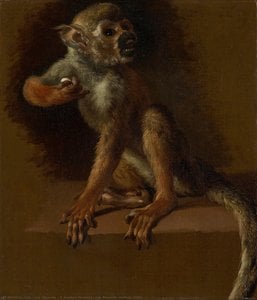
Oil On CanvasWallArtDutch Golden Age
 1650
1650 50.0 x 43.0 cm
 モウリツハウイス
スピーディーな制作と多彩な仕上げオプションが魅力の、ミュージアムクオリティなジークレー・キャンバスプリント。 ( 手描きの複製画を注文する デジタル画像販売へ切り替え)





























作品のオリジナル比率に合わせた、当店の規定サイズからお選びください。

額縁や壁のスペースに合わせて、ご希望の幅と高さを入力してください。プリントはカットすることは可能ですが、元の画像より大きくすることはできないため、異なる比率のサイズを選択された場合は、画像の一部が欠けることになります。印刷を開始する前に、内容を確認していただくためのデジタルモックアップをお送りいたします。このページに表示されている画像は、実際のカット後の状態を示すものではありません。実際の仕上がりはモックアップにてご確認ください。
Dead Partridge
複製画サイズ一覧
Jan Baptist Weenix’s “Dead Partridge,” painted around 1650-1652 and now residing within the esteemed Mauritshuis in The Hague, is more than just a depiction of a fallen bird; it's a meticulously crafted meditation on mortality, observation, and the subtle poetry of the natural world. Born in Amsterdam during a period of burgeoning artistic innovation, Weenix emerged as a pivotal figure in Dutch Golden Age painting, particularly renowned for his pioneering approach to Italianate landscapes infused with human presence – a technique that profoundly influenced generations of artists to come. This particular work, rendered in oil on canvas measuring 50 x 43 cm, exemplifies his mastery of chiaroscuro and his uncanny ability to capture the fleeting essence of life’s transience.
The composition is strikingly simple yet deeply resonant. A single, dead partridge hangs suspended from a nail, its feathers arranged in an almost deliberate, unsettling display against a muted beige background. The bird's posture – feet tied together, plumage spread wide – immediately evokes a sense of vulnerability and finality. Crucially, the scene isn’t presented with overt drama or pathos; instead, Weenix employs a quiet restraint that amplifies the painting’s contemplative mood. This deliberate lack of sentimentality is characteristic of his style, prioritizing precise observation and technical skill over emotional excess.
Weenix's genius lies not just in his subject matter but also in his masterful manipulation of light and shadow. The painting’s illumination is carefully controlled, creating a dramatic interplay between dark tones and subtle highlights that imbue the scene with depth and volume. The artist utilizes *chiaroscuro* – the contrasting of strong light and deep shadows – to sculpt the bird's form, drawing the viewer’s eye directly to its lifeless body. Notice how the folds of the feathers are rendered with painstaking detail, each strand appearing almost tangible. The subtle gradations of color—from the rich browns and ochres of the plumage to the cool grays and beiges of the background—further enhance the painting's realism and atmospheric quality.
Furthermore, Weenix’s technique is reminiscent of other prominent Dutch Masters like Willem Kalf and Balthasar van der Ast, both known for their meticulous attention to detail and their ability to capture the textures of everyday objects. The artist’s brushwork is remarkably smooth and controlled, contributing to the painting's overall sense of serenity and composure. The careful rendering of the nail itself—its rough texture and slightly tarnished surface—adds a layer of realism that elevates the work beyond mere representation.
“Dead Partridge” was painted during the Dutch Golden Age, a period of unprecedented artistic flourishing fueled by economic prosperity and intellectual curiosity. The painting reflects the era’s fascination with still life – a genre that allowed artists to explore themes of mortality, beauty, and the transient nature of earthly possessions. The partridge itself held symbolic significance in 17th-century Dutch culture, often associated with abundance, fertility, and even death—a poignant reminder of the cyclical nature of life and decay. The painting’s setting – a simple, neutral background – further emphasizes the bird's vulnerability and underscores its role as the central focus of attention.
Interestingly, Weenix’s work draws inspiration from Italianate traditions, particularly the depictions of hunting scenes found in the paintings of artists like Jacopo de’ Barbari. This influence is evident in the painting’s composition—the bird's pose and the arrangement of its feathers echo those seen in earlier Italian works. However, Weenix transforms these borrowed elements into something uniquely his own, imbuing them with a distinctly Dutch sensibility.
Today, “Dead Partridge” stands as a testament to Jan Baptist Weenix’s artistic vision and technical skill. If you're captivated by this hauntingly beautiful painting, consider commissioning a high-quality reproduction from our skilled artisans. We meticulously recreate the original’s nuances—the subtle gradations of color, the delicate brushwork, and the evocative atmosphere—to ensure that your reproduction captures the essence and beauty of this timeless masterpiece. Explore our available reproductions here.
「Dead Partridge」は、WallArtの作品です。
いいえ、作品は国外に保管されています。ヤン・バプティスト・ウィーンクスの出生国はNetherlandsであり、「Dead Partridge」の真作を収蔵している美術館はオランダにあります。
ヤン・バプティスト・ウィーンクス作「Dead Partridge」に描かれているテーマには、partridge, hunting, dutch masters, composition, light & shadow, still life, baroque, weenixなどがあります。これらが合わさることで、本作の主題を構成しています。

ヤン・バプティスト・ウィーンクスは、緻密な観察眼と豊かな想像力を独自の形で融合させた、オランダ黄金時代における稀有な存在です。レンブラントやフェルメールといった同時代の巨匠たちと比較すると、その作品数は決して多くはありません。しかし、ウィーンクスがオランダ美術史に残した功績は否定しようのないものです。特に、人物を配したイタリア風の風景画への革新的な探求は、後の世代にまで響き渡る様式的な先例を確立しました。1621年、活気あふれる港に近いアムステルダムに生まれた彼は、建築家の一族に連なります。その血統は、知性と構造が交錯する当時の熱狂の中で、彼の形成期に大きな影響を与えたことでしょう。
病的な理由から言葉に苦労したという記録もあり、個人的な困難に直面しながらも、ウィーンクスは文学と芸術に対して燃えるような情熱を抱いていました。その才能を見出した母親は、彼をレンブラントの義弟であるヤン・ミッカーのもとへ弟子入りさせるべく、積極的に道を切り拓きました。この初期の修行によって、彼の作品の代名詞となる、規律あるデッサン力と観察眼が養われたのです。その後、ユトレヒトにてアブラハム・ブローモエルトの指導の下でさらなる研鑽を積み、アムステルダムに戻ってクラース・コルネリスゾーン・モイエラートに師事することで、当時のオランダ美術の潮流における確固たる基礎を築き上げました。
ウィーンクスのキャリアの軌跡を決定的に変えたのは、その旅路でした。とりわけ1643年、ニコラス・ピータースゾーン・ベルヒムと共にローマへと赴いた経験は、彼に計り知れない変化をもたらしました。この遠征を通じて、彼はベントフェールス(Bentvueghels)というギルドの、活気に満ちた知的・芸術的な環境に触れることとなり、その表現領域をより広大なものへと押し広げました。ローマにおいて、彼は「イタリア風様式」を吸収していきます。それは、温かみのある黄金色の光と古典的な風景を特徴とし、伝統的なオランダ絵画の持つ、より冷涼で厳かな色調とは見事な対照を成すものでした。このローマでの経験により、彼は南欧の荒々しい美しさを北欧の視点から再構築する「イタリア風風景画」の極意を習得したのです。
この時期の彼の作品は、古典的な舞台の壮大さと、親密な人間的要素をしばくいながら融合させています。海上交易の息吹を感じさせる港の情景であれ、永遠性を想起させる広大なパノラマであれ、ウィーンクスにはその場所の「空気感」を捉える類まれな才能がありました。彼の卓越した技量は、広大な地平線に留まりません。静止した静物画を通じて、生命の静かな、時に生々しい現実を描き出すことにも長けていました。獲物や動物を描いた作品には驚くべき写実性が宿っており、猟犬の粗い毛並みから羽毛の繊細な光沢に至るまで、あらゆる質感が息を呑むほどの精度で描き出されています。
ヤン・バプティスト・ウィーンクスの重要性は、オランダ伝統の泥臭いまでの写実主義と、イタリア風運動の理想化された美しさとの間に架け橋を築いた点にあります。その多才さは、狩りの後に見られるような劇的な緊張感から、動物画が放つ静かで厳かな情熱に至るまで、多様な主題を自在に操ることを可能にしました。彼の筆致を通じて、鑑賞者は観察された自然界と、想像上の古典的な過去との境界が美しく溶け合う世界へと誘われるのです。
彼の生涯と作品を振り返るとき、その不朽の価値を定義づける要素がいくつか浮かび上がります。
1661年にその生涯を閉じるまで、比較的短い一生であったとはいえ、ヤン・バプティスト・ウィーンクスが残した足跡は、風景画の進化の中に今も鮮明に刻まれています。彼は後世の画家たちに対し、地平線を単なる境界線としてではなく、光と歴史、そして人間の感情を映し出すキャンバスとして捉える術を教えたのです。

1621 - 1661

Embark on a sophisticated journey through the Dutch Golden Age. Unveil the dramatic brilliance of Rembrandt’s chiaroscuro and the expressive landscapes of 17th-century masters in this authoritative exploration of light, shadow, and enduring artistic legacy.

Explore the breathtaking mastery of Dutch Golden Age landscapes. From Italianate light to atmospheric realism, discover the techniques of 17th-century masters and learn how to bring these timeless, museum-quality masterpieces into your home through expert oil reproductions.

 設置イメージを確認
 送る
送る シェア
シェア
 詳細情報
詳細情報 ガイドを表示

 画像をダウンロード
 似ている作品
 X線調査
X線調査 スライドショー
 Q&A
Q&A 統計情報
統計情報 続きを読む
続きを読む









 ガラスオプションは、110cm未満のサイズでのみご利用いただけます。