

 PaintingIndian Modern Art
 1920
1920 465.0 x 1165.0 cm
 National Gallery of Modern Art
スピーディーな制作と多彩な仕上げオプションが魅力の、ミュージアムクオリティなジークレー・キャンバスプリント。 ( 手描きの複製画を注文する デジタル画像販売へ切り替え)





























作品のオリジナル比率に合わせた、当店の規定サイズからお選びください。

特定のフレームやスペースに合わせて、ご自身でサイズを指定することも可能です。選択されたサイズが元の画像の比率と一致しない場合、作品をトリミングするか、鏡面反射または単色での塗りつぶしによって画像を拡張いたします。制作を開始する前に、ご確認用のデジタルモックアップをお送りいたします。
画面上のプレビューには、実際のトリミングや拡張は反映されませんのでご注意ください。最終的な構図を正確に確認できるのは、モックアップのみとなります。
カスタムサイズも承っておりますが、元の比率を維持するためには、あらかじめ用意されたリストからサイズを選択することをお勧めいたします。

Mother and Child
複製画サイズ一覧
To stand before Jamini Roy's depiction of Mother and Child is to step across the threshold of colonial influence and into the vibrant, deeply rooted heart of Bengal’s cultural soul. This painting is far more than a mere portrait; it is an eloquent testament to cultural resilience. While Roy initially honed his craft mastering the techniques of European Academic realism at the Government School of Art in Calcutta, the very act of creation became an act of profound artistic rebellion. He consciously shed the polished veneer of Western tradition, channeling instead the raw, immediate energy found in Bengal’s indigenous art forms—the earthy narratives of pat paintings and the intricate storytelling etched into temple terracotta reliefs.
The scene itself captures a moment suspended in time: an intimate tableau where connection is palpable. The mother tenderly guides her child, their hands resting upon one another’s shoulders in a gesture of profound mutual support. This central bond radiates warmth, yet the composition expands beyond this core pair. Peripheral figures populate the space, grounding the loving interaction within a larger community setting, all framed by the suggestion of an outdoor environment marked by the presence of foliage.
What immediately draws the discerning eye is Roy’s masterful simplification of form. His technique eschews academic verisimilitude for something far more primal and emotionally resonant. The lines employed are a beautiful marriage of sweeping curves and deliberate angles, lending the figures a stylized grace that speaks directly to folk aesthetics. This stylistic choice was not merely decorative; it was ideological. By embracing the visual language of village life—the subjects often drawn from Santhal women—Roy anchored his art in the tangible reality of rural Bengali existence. The resulting flatness and bold outlines give the work an immediate, almost graphic power that transcends passing trends.
For those considering a reproduction for your space, understanding this stylistic commitment is key; it promises an artwork with undeniable character, far removed from sterile imitation.
At its heart, Mother and Child functions as a powerful allegory. The mother-child dynamic symbolizes nurturing, continuity, and the passing down of cultural memory. In the context of Roy’s life, this symbolism deepened: it represented the preservation of Bengali identity against external pressures. The figures are not just connected physically; they are linked by an unbroken thread of tradition and belonging. The inclusion of other community members suggests that this intimate moment is witnessed, supported, and woven into the fabric of a larger cultural tapestry.
The emotional impact is one of deep comfort mixed with quiet strength—a feeling that resonates universally, making it a centerpiece capable of elevating any room from merely decorated to truly soulful.
Jamini Roy’s genius lies in his ability to synthesize high artistic training with the vernacular spirit. The resulting work possesses an elegance that is simultaneously rustic and sophisticated. When viewing this piece, one appreciates the deliberate economy of line—every curve serves a narrative purpose. It invites contemplation on what truly defines humanity: Is it perfect anatomical rendering, or is it the shared glance, the guiding hand, the enduring bond? This painting argues passionately for the latter.
Owning this piece, or a high-quality reproduction capturing its essence, means bringing home not just paint on canvas, but a vibrant echo of Bengal’s artistic soul—a celebration of life's most fundamental and beautiful connections.

1887 - 1972 , インド
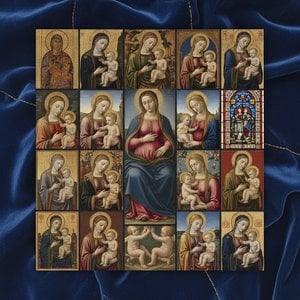
Embark on a sophisticated journey through art history with our curated guide to the most iconic Madonna and Child masterpieces. Discover the profound beauty, theological depth, and enduring legacy of these sacred Renaissance treasures.

Embark on a sophisticated journey through the world of folk art. Our expert guide offers connoisseurs deep insights into discovering, identifying, and collecting meaningful cultural masterpieces that preserve the soul of global traditions.

Transform your child's precious photos into whimsical, hand-painted storybook masterpieces with WahooArt AI. Create timeless family heirlooms through our expert blend of cutting-edge technology and traditional oil painting craftsmanship. A beautiful legacy for your home.

Discover the profound beauty of folk art through a cultural lens. Explore how naive masterpieces and vibrant global traditions preserve heritage, offering timeless inspiration for collectors and art enthusiasts seeking authenticity and soul in every brushstroke.

Explore the profound beauty of folk art through its rich history and storytelling traditions. Discover how Naive Art and cultural heritage preserve ancestral narratives through vibrant color and symbolism for the modern collector.

 設置イメージを確認
 送る
送る シェア
シェア
 詳細情報
詳細情報 ガイドを表示

 画像をダウンロード
 似ている作品
 X線調査
X線調査 スライドショー
 統計情報
統計情報 続きを読む
続きを読む









 ガラスオプションは、110cm未満のサイズでのみご利用いただけます。


