

 Oil On PanelWallArtRomanticism
 181019th Century
 71.0 x 91.0 cm
 イェール英国美術館
スピーディーな制作と多彩な仕上げオプションが魅力の、ミュージアムクオリティなジークレー・キャンバスプリント。 ( 手描きの複製画を注文する デジタル画像販売へ切り替え)





























作品のオリジナル比率に合わせた、当店の規定サイズからお選びください。

額縁や壁のスペースに合わせて、ご希望の幅と高さを入力してください。プリントはカットすることは可能ですが、元の画像より大きくすることはできないため、異なる比率のサイズを選択された場合は、画像の一部が欠けることになります。印刷を開始する前に、内容を確認していただくためのデジタルモックアップをお送りいたします。このページに表示されている画像は、実際のカット後の状態を示すものではありません。実際の仕上がりはモックアップにてご確認ください。
A Hunter in a Landscape
複製画サイズ一覧
In the quiet majesty of A Hunter in a Landscape, created in 1810, we encounter a moment frozen in time, where the raw vitality of nature meets the refined grace of British Romanticism. At first glance, the eye is immediately drawn to the central figure: a magnificent brown horse, poised with an alert elegance that commands the entire composition. There is a profound sense of anticipation in its stance; with its head lifted and gaze directed toward something unseen beyond the frame, the animal embodies a state of heightened awareness. This is not merely a study of an animal, but a window into the soul of the wild, captured by James Ward with a precision that bridges the gap between scientific observation and poetic imagination.
The painting serves as a breathtaking testament to the luminism technique that defines Ward’s most celebrated works. Through a masterful application of thin, translucent glazes, the artist has imbued the canvas with an ethereal, shimmering quality. The light does not simply sit upon the surface; it seems to emanate from within the landscape itself, catching the muscular contours of the horse and illuminating the subtle textures of its coat. This delicate manipulation of light creates a sense of atmospheric depth, where the sky behind the subject feels vast and infinite, providing a serene yet dramatic backdrop that elevates the solitary figure into a symbol of untamed beauty.
To understand the emotional weight of this work, one must look to the historical currents of the early 19th century. James Ward was a pivotal figure who navigated the transition from the idyllic genre scenes of his mentor, George Morland, toward a more dramatic, Rubens-inspired grandeur. In A Hunter in a Landscape, we see the perfect equilibrium of these two worlds. The meticulous detail—the way every blade of grass and every ripple of muscle is rendered with anatomical accuracy—speaks to the era's fascination with natural history. Yet, the sweeping landscape and the evocative mood belong firmly to the Romantic movement, which sought to evoke the sublime—that overwhelming feeling of awe and even slight trepidation when faced with the greatness of nature.
For the discerning collector or interior designer, this piece offers more than just visual splendor; it offers a narrative of strength and tranquility. The absence of human figures focuses the viewer's entire emotional experience onto the relationship between the creature and its environment. It is a painting that invites contemplation, making it an ideal centerpiece for a sophisticated study, a grand library, or a contemporary living space that seeks to ground modern luxury with classical depth. Bringing a high-quality reproduction of this masterpiece into a home allows one to inhabit a world where the boundaries between the observer and the natural world are beautifully blurred, offering a timeless sense of peace and enduring power.
ジェームズ・ワード作「A Hunter in a Landscape」の主色(メインカラー)はRosy Brown (#c4ad99)です。
いいえ、作品は国外に保管されています。ジェームズ・ワードの出生国はイギリスであり、「A Hunter in a Landscape」の真作を収蔵している美術館はUnited States of Americaにあります。
ジェームズ・ワード作「A Hunter in a Landscape」のプリントは、Landscapeの向きでMediumのサイズに印刷することをお勧めします。

ジェームズ・ワード(1769-1859)は、心を捉えて離さない動物画、ロマンティックな風景画、そして洞察力に満ちた肖像画で名を馳せた、英国を代表する画家の一人です。同時代の巨匠たちの影に隠れがちなこともありましたが、彼の類まれなるスタイルと卓越した技術は、19世紀における英国美術の発展に極めて重要な影響を与えました。
1769年10月23日、英国ロンドンに生まれたジェームズ・ワードは、版画師ウィリアム・ワードの弟として、芸術的な才能を育む豊かな家庭環境の中で育ちました。彼は一定の正規教育を受けたものの、その真の芸術的成長は、自ら進んで自然を観察し、絶え間ない実践を繰り返すという、独学に近い情熱によって成し遂げられたものでした。
ワードの画業は、その影響力の変化から大きく二つの時期に分けることができます。初期、すなわち1803年頃までは、義理の兄であるジョージ・モーランドの作風に強く共鳴しており、日常の風景を描いた風俗画を中心とした作品を手がけていました。しかし、その後、彼はバロック期の巨匠ピーテル・パウル・ルーベンスから深いインスピレーションを受けます。これにより、彼の作品はよりダイナミックな構図、豊かな色彩、そして光と影を劇的に操る技法へと進化を遂げたのです。
ワードの唯一無二のスタイルは、多くの同時代人の中でも際立った存在感を放っていました。歴史画から肖像画、風景画、そして動物画に至るまで、彼はあらゆるジャンルにおいて卓越した才能を発揮しました。彼の輝かしい名作には、以下のような作品が挙げられます。
彼の絵画の特徴は、細部への緻密なこだわり、特に動物の質感表現における驚異的な正確さにあります。そこにロマン主義的な感性が融合することで、自然が持つ美しさと力強さが、見る者の魂に訴えかけるのです。
ワードはテオフィラス・レヴェットのような有力な人物たちから厚い庇護を受け、数多くの作品制作の依頼を受けました。また、ロイヤル・アカデミーでの定期的な展覧会を通じて、その独創性と技術を広く世に知らしめました。1811年に同アカデミーの会員として認められたことは、英国美術界における彼の地位を確固たるものにしました。
ワードは精力的な創作活動を続けましたが、1855年の脳卒中によってそのキャリアは断たれてしまいました。かつての成功にもかかわらず、1859年11月17日、彼は比較的困窮した状況の中でその生涯を閉じました。
晩年の経済的な苦難に直面しながらも、ジェームズ・ワードが英国美術に与えた影響は否定しようのないものです。リアリズムとロマン主義を見事に融合させた彼のスタイルは、後の世代の動物画家や風景画家たちの道を切り拓きました。彼の作品は現在、テート・ブリテンやイェール大学英国美術センターといった世界的な美術館に収蔵され、今なお輝きを放っています。
ジェームズ・ワードは、英国美術における新古典主義からロマン主義への移行期において、極めて重要な役割を果たしました。彼は伝統的な風俗画と、当時高まりつつあった風景画や自然主義への関心との架け橋となり、時代を超えて人々を魅了し続ける、情熱的な作品の遺産を私たちに残したのです。

1769 - 1859 , イギリス
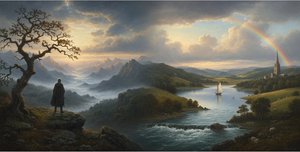
Journey through the sublime beauty of Romantic landscape paintings. Explore 10 iconic masterpieces, from Caspar David Friedrich to dramatic nature scenes, perfect for museum-quality decor. Discover the stories and techniques behind these timeless works on WahooArt.com.

Journey through the sublime beauty of Romantic landscape painting. Explore 10 iconic masterpieces by legends like Friedrich and Turner that capture nature's raw emotion. Find museum-quality art reproductions for your decor. Discover all masterpieces on WahooArt.com.

Experience the vibrant spirit of British equestrian art through the top 25 masterpieces by Sir Alfred James Munnings. From impressionistic landscapes to iconic horse portraits, explore timeless stories and museum-quality reproductions for your decor. Discover all masterpieces on WahooArt.com.

Immerse yourself in the ethereal beauty of James Abbott McNeill Whistler. Explore 25 iconic Nocturnes and masterpieces of the Aesthetic movement. Find inspiration for your decor with our museum-quality art reproductions. Discover all masterpieces on WahooArt.com.

 設置イメージを確認
 送る
送る シェア
シェア
 詳細情報
詳細情報 ガイドを表示

 画像をダウンロード
 似ている作品
 X線調査
X線調査 スライドショー
 統計情報
統計情報 続きを読む
続きを読む









 ガラスオプションは、110cm未満のサイズでのみご利用いただけます。


