
x































作品のオリジナル比率に合わせた、当店の規定サイズからお選びください。

特定のフレームやスペースに合わせて、ご希望のサイズをご入力いただけます。選択されたサイズが元の画像の比率と異なる場合、アートワークをトリミングするか、手描きで要素を追加して絵画を拡張いたします。デジタルモックアップ を制作し、制作開始前にご確認(承認)をいただきます。
画面上のプレビューは、実際のトリミングや拡張を正確に反映しているものではありません。最終的な構図は、モックアップによってのみ正確にご確認いただけます。
カスタムサイズもご利用いただけますが、元の比率を維持するためには、あらかじめ用意されたリストからサイズを選択することをお勧めいたします。

Woman with Blue Shawl
複製画のサイズ
James Ensor's "Woman with Blue Shawl" is not merely a portrait; it’s an immersion into a world steeped in psychological complexity and unsettling beauty. Painted around 1890, this work exemplifies the artist’s signature style – a potent blend of Symbolism, Expressionism, and a distinctly Belgian sensibility that often veers toward the macabre. The painting immediately draws the viewer in with its central figure: an older woman seated beneath a richly colored blue shawl, her gaze direct and slightly enigmatic. Yet, it's not simply a likeness; Ensor has deliberately constructed a scene brimming with symbolic weight and hinting at hidden narratives.
The composition itself is subtly disorienting. The woman’s posture suggests both repose and vulnerability, while the presence of two figures in the periphery – one peering from the upper left, the other positioned at the bottom right – creates an immediate sense of unease and implied drama. These secondary characters are deliberately obscured, their identities ambiguous, contributing to a feeling that we're witnessing a private moment, perhaps a scene from a dream or a carefully staged tableau. The background is understated, dominated by a simple chair, which serves primarily as a grounding element within the otherwise charged atmosphere.
Ensor’s artistic journey was profoundly shaped by his upbringing in Ostend, a bustling seaside resort town known for its vibrant carnivals. His parents operated a souvenir shop filled with exotic masks, theatrical props, and curiosities – a veritable treasure trove that ignited his imagination and provided him with an unparalleled visual vocabulary. This fascination with disguise and the hidden self is central to Ensor’s oeuvre, and it manifests powerfully in “Woman with Blue Shawl.” The shawl itself becomes a potent symbol, reminiscent of the theatrical masks sold in his childhood shop, suggesting layers of concealment and perhaps even multiple identities.
The use of color further amplifies this sense of ambiguity. The dominant blue of the shawl is cool and melancholic, contrasting with the warmer tones used for the woman’s attire and the surrounding elements. This interplay of colors creates a visual tension that mirrors the emotional complexity of the scene. Ensor was deeply interested in exploring the darker aspects of human nature – anxieties, fears, and the unsettling truths beneath the surface of everyday life. His work often features skeletons, masks, and grotesque figures, all serving as reminders of mortality and the fragility of existence.
Beyond its immediate visual impact, “Woman with Blue Shawl” is rich in symbolic meaning. The crown adorning the woman's head suggests a sense of authority or perhaps even royalty – yet this elevated status feels strangely unsettling within the context of the painting. It could represent a fading dignity, a reminder of past glories, or simply an illusion designed to conceal something darker. The two figures in the background are particularly intriguing; they might be servants, attendants, or even silent witnesses to the woman’s story – their presence adding another layer of mystery and intrigue.
Ensor's technique is characterized by a bold use of color, expressive brushstrokes, and a deliberate distortion of form. He employed a technique known as “cloisonnism,” inspired by medieval enamelwork, which created areas of intense color surrounded by dark outlines – a method that heightened the painting’s dramatic effect. His work was often met with resistance during his lifetime, deemed scandalous for its unflinching portrayal of human flaws and anxieties. However, Ensor's innovative approach paved the way for Expressionism and Surrealism, cementing his place as one of the most important artists of the late 19th and early 20th centuries.
WahooArt offers meticulously crafted hand-painted reproductions of James Ensor’s "Woman with Blue Shawl," allowing you to experience the power and beauty of this iconic artwork in stunning detail. Whether for a private collection, an art gallery, or a sophisticated interior design scheme, our reproductions capture the essence of Ensor's vision while adhering to the highest standards of artistic quality. Each reproduction is created using archival-quality materials and techniques, ensuring that it will retain its vibrancy and beauty for generations to come. Explore the available sizes and options on our website to bring this captivating portrait into your world.

ジェームズ・エンソは、ベルギーの画家であり彫刻家で、表現主義とシュルレアリスムに大きな影響を与えた人物です。彼は芸術グループ「レズヴィンジュ」の一員でした。彼の父親はイギリス人で母親はベルギー人でした。彼は幼少期に特にカルニバル文化に魅せられ、その時期には家族の店の周辺で販売されていたカルニバル用品が豊富な環境に育ちました。彼は美術アカデミーで学びましたが、伝統的な芸術形式に縛られることを嫌い、独自の道を歩む必要性を痛感しました。
エンソの初期の絵画はより伝統的なスタイルで描かれ、日常生活を陰鬱な色調で描写していました。例えば、『ロシア音楽』(1881)や『酔い酒場の人々』(1883)などです。これらの作品にもすでに現れる不安感のあるイメージが隠されておりました。彼は絵画における幻視主義や一点透視といった従来の技法を放棄し、独自の芸術的なビジョンを実現するために取り組む必要性を認識しました。彼の初期の作品は、特に表現主義に影響を与えた画家たちからの影響を受けました。
エンソは生涯を通じて多くの作品を生み出し、今日まで人々を驚かせ、魅了し続けています。『ロシア音楽』や『酔い酒場の人々』など初期の作品は、当時の社会規範に対する批判的な視点を持つ表現主義への転換を象徴しています。彼の最も有名な作品である『イエス・キリストのブルジュンの入場』は特に衝撃的で、宗教的な偽善と社会的な無関心に対する風刺です。この絵画は当初は厳しい批判を受けましたが、現在では傑作として高く評価されています。彼はまた、人間の本質を掘り下げようとする試みであり、社会規範に挑戦する勇気を求める芸術家たちへの道を切り開いた人物として歴史に名を残しました。
エンソは特にピエール・ブーデルのエルドャーやフランシスコ・ゴヤ、ウィリアム・ホイストルの芸術から影響を受けました。彼はこれらの影響を独自の芸術的な言語に融合させ、表現主義とシュルレアリスムという新しい芸術運動へと導きました。彼の作品は特にその大胆な筆使いと鮮やかな色彩で特徴づけられ、劇場的な質を備えていました。
ジェームズ・エンソは、ベルギーの画家であり彫刻家として、表現主義とシュルレアリスムに大きな影響を与えた人物です。彼は芸術グループ「レズヴィンジュ」の一員でした。彼の父親はイギリス人で母親はベルギー人でした。彼は美術アカデミーで学びましたが、伝統的な芸術形式に縛られることを嫌い、独自の道を歩む必要性を痛感しました。

1860 - 1949 , ベルギー

Immerse yourself in the captivating world of slate blue! Explore 10 iconic paintings by Monet, Van Gogh & Renoir. Discover their stories, techniques & find museum-quality art reproductions for your home at .

ジェームズ・マクニール・ホイストラーの至高の25選。ノクターン、印象派、美しい色彩に満ちた作品群を紐解きます。WahooArtで高品質なアートプリントとインテリアをお楽しみください。名画の世界へ – WahooArt.com

Transform your home with soulful blue art. From serene Monet impressions to modern textured sculptures, discover curated masterpieces designed to inspire calm. Explore expert art consultations and bespoke hand-painted reproductions to create your personal sanctuary.
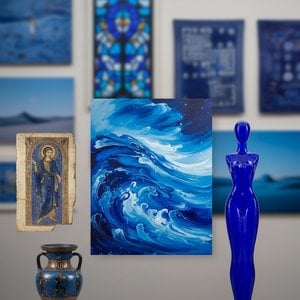
Explore the rich history of blue in art! Discover its symbolism, from ancient pigments to modern masterpieces by Kandinsky & Seurat. Uncover the psychological impact and cultural meanings behind this captivating hue.
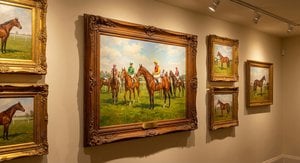
Explore 25 iconic Sir Alfred Munnings paintings! Discover the beauty of British Impressionism, equine art & rural England. Find museum-quality reproductions and elevate your home decor with WahooArt. Explore the full collection online.


最新の美術ニュース、限定オファー、そしてインテリアのアイデアをいち早くお届けします。
お客様のプロジェクトについてお聞かせください。当社の美術専門家が、お客様に合わせた3つのパーソナライズされた芸術提案をご提供いたします。
あなたにぴったりの3作品を無料で厳選いたします


 プレビュー
プレビュー
 プリントを購入
 シェアする
シェアする シェアする
シェアする
 詳細を見る
詳細を見る

 ダウンロード
 似ている作品
 X線調査
X線調査 スライドショー

 詳細を見る
詳細を見る









 ガラスオプションは、110cm未満のサイズでのみご利用いただけます。


