

スピーディーな制作と多彩な仕上げオプションが魅力の、ミュージアムクオリティなジークレー・キャンバスプリント。 ( 手描きの複製画を注文する デジタル画像販売へ切り替え)





























作品のオリジナル比率に合わせた、当店の規定サイズからお選びください。

額縁や壁のスペースに合わせて、ご希望の幅と高さを入力してください。プリントはカットすることは可能ですが、元の画像より大きくすることはできないため、異なる比率のサイズを選択された場合は、画像の一部が欠けることになります。印刷を開始する前に、内容を確認していただくためのデジタルモックアップをお送りいたします。このページに表示されている画像は、実際のカット後の状態を示すものではありません。実際の仕上がりはモックアップにてご確認ください。
The Street Lamp
複製画サイズ一覧
ジェイムズ・エンソウ作「The Street Lamp」 の輝度は Bright Balance です。輝度とは、色がどれほど光を反射しているかを表す指標です。
「The Street Lamp」は、拡張現実(AR)でのプレビューが可能です。対応デバイスで作品のARプレビューページを表示すると、ご自身の空間に作品を配置してご確認いただけます。
「The Street Lamp」のスライドショーは、作品のスライドショーページでご覧いただけます。

ジェームズ・エンソは、ベルギーの画家であり彫刻家で、表現主義とシュルレアリスムに大きな影響を与えた人物です。彼は芸術グループ「レズヴィンジュ」の一員でした。彼の父親はイギリス人で母親はベルギー人でした。彼は幼少期に特にカルニバル文化に魅せられ、その時期には家族の店の周辺で販売されていたカルニバル用品が豊富な環境に育ちました。彼は美術アカデミーで学びましたが、伝統的な芸術形式に縛られることを嫌い、独自の道を歩む必要性を痛感しました。
エンソの初期の絵画はより伝統的なスタイルで描かれ、日常生活を陰鬱な色調で描写していました。例えば、『ロシア音楽』(1881)や『酔い酒場の人々』(1883)などです。これらの作品にもすでに現れる不安感のあるイメージが隠されておりました。彼は絵画における幻視主義や一点透視といった従来の技法を放棄し、独自の芸術的なビジョンを実現するために取り組む必要性を認識しました。彼の初期の作品は、特に表現主義に影響を与えた画家たちからの影響を受けました。
エンソは生涯を通じて多くの作品を生み出し、今日まで人々を驚かせ、魅了し続けています。『ロシア音楽』や『酔い酒場の人々』など初期の作品は、当時の社会規範に対する批判的な視点を持つ表現主義への転換を象徴しています。彼の最も有名な作品である『イエス・キリストのブルジュンの入場』は特に衝撃的で、宗教的な偽善と社会的な無関心に対する風刺です。この絵画は当初は厳しい批判を受けましたが、現在では傑作として高く評価されています。彼はまた、人間の本質を掘り下げようとする試みであり、社会規範に挑戦する勇気を求める芸術家たちへの道を切り開いた人物として歴史に名を残しました。
エンソは特にピエール・ブーデルのエルドャーやフランシスコ・ゴヤ、ウィリアム・ホイストルの芸術から影響を受けました。彼はこれらの影響を独自の芸術的な言語に融合させ、表現主義とシュルレアリスムという新しい芸術運動へと導きました。彼の作品は特にその大胆な筆使いと鮮やかな色彩で特徴づけられ、劇場的な質を備えていました。
ジェームズ・エンソは、ベルギーの画家であり彫刻家として、表現主義とシュルレアリスムに大きな影響を与えた人物です。彼は芸術グループ「レズヴィンジュ」の一員でした。彼の父親はイギリス人で母親はベルギー人でした。彼は美術アカデミーで学びましたが、伝統的な芸術形式に縛られることを嫌い、独自の道を歩む必要性を痛感しました。

1860 - 1949 , ベルギー

Elevate your most cherished memories with WahooArt’s bespoke service. We transform your personal photos into breathtaking, hand-painted black & white oil masterpieces. Experience museum-quality craftsmanship and timeless elegance for your private collection. Discover the art of legacy.
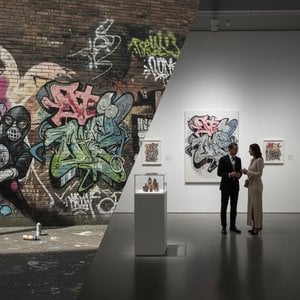
Explore the captivating journey of street art from urban walls to prestigious galleries. Discover how contemporary graffiti has evolved into a high-end collectible movement, redefining modern interior design and global art culture.

Explore the profound artistry of black and white photography. From historical mastery to the interplay of light and shadow, discover how monochrome captures timeless emotion and form through a sophisticated lens of art history.

 設置イメージを確認
 送る
送る シェア
シェア
 詳細情報
詳細情報 ガイドを表示

 画像をダウンロード
 似ている作品
 X線調査
X線調査 スライドショー
 統計情報
統計情報
 続きを読む
続きを読む









 ガラスオプションは、110cm未満のサイズでのみご利用いただけます。


