

スピーディーな制作と多彩な仕上げオプションが魅力の、ミュージアムクオリティなジークレー・キャンバスプリント。 ( 手描きの複製画を注文する デジタル画像販売へ切り替え)





























作品のオリジナル比率に合わせた、当店の規定サイズからお選びください。

特定のフレームやスペースに合わせて、ご自身でサイズを指定することも可能です。選択されたサイズが元の画像の比率と一致しない場合、作品をトリミングするか、鏡面反射または単色での塗りつぶしによって画像を拡張いたします。制作を開始する前に、ご確認用のデジタルモックアップをお送りいたします。
画面上のプレビューには、実際のトリミングや拡張は反映されませんのでご注意ください。最終的な構図を正確に確認できるのは、モックアップのみとなります。
カスタムサイズも承っておりますが、元の比率を維持するためには、あらかじめ用意されたリストからサイズを選択することをお勧めいたします。
Flacon bleu et poulet
複製画サイズ一覧
James Ensor's Flacon bleu et poulet, painted in the early 20th century, isn’t merely a depiction of a blue bottle and a bird; it’s a carefully constructed tableau of unease, a window into the artist’s uniquely unsettling psyche. This work, firmly rooted within the burgeoning Expressionist movement, offers a glimpse into a world saturated with symbolism and shadowed by a profound sense of melancholy—a characteristic so deeply ingrained in Ensor's artistic vision. The painting immediately confronts us with its deliberate distortion; the bird, rendered almost lifeless, lies sprawled on the ground, devoid of vitality, while the bottle, a vibrant splash of color against the muted tones, seems to hold an unsettling stillness itself. It’s a scene that begs questions – not about simple objects, but about their relationship and the atmosphere they evoke.
Born in Ostend, Belgium, in 1860, James Ensor was a product of a fascinating cultural crossroads – his English father and Belgian mother instilled within him a sense of both belonging and alienation. This duality profoundly shaped his artistic trajectory. Early exposure to the vibrant chaos of a seaside resort town, coupled with his parents’ souvenir shop overflowing with exotic masks and curiosities, fueled an imagination that constantly sought to deconstruct and reimagine reality. Initially hesitant to conform to the rigid conventions of academic art, Ensor enrolled at the Académie Royale des Beaux-Arts in Brussels but quickly recognized its limitations. He yearned for a freedom to express his inner world, a desire that ultimately led him away from traditional techniques and toward a distinctly personal style – one characterized by bold colors, distorted forms, and a deliberate rejection of idealized beauty.
Ensor’s masterful use of color is immediately striking in Flacon bleu et poulet. The intense blue of the bottle dominates the composition, drawing the eye while simultaneously creating a sense of artificiality or even menace. The muted browns and greys of the surrounding objects – the books, the chair – contribute to the painting’s overall atmosphere of quiet despair. More than just color choices, Ensor employs distortion to heighten emotional impact. The bird is not realistically rendered; its form is simplified, almost skeletal, suggesting a loss of life or perhaps an embodiment of stagnation. The positioning of the objects—the books clustered together, the chair angled awkwardly—creates a sense of imbalance and unease, mirroring the psychological state implied by the scene. His technique leans heavily into the expressive potential of paint itself; visible brushstrokes contribute to the painting’s raw energy.
Beyond its formal elements, Flacon bleu et poulet is rich in symbolic meaning. The blue bottle could represent both fragility and containment – a vessel holding something precious or perhaps something dangerous. The bird, often associated with freedom and spirituality, here lies lifeless, suggesting a loss of innocence or a rejection of higher ideals. The scattered books hint at knowledge and learning, yet their presence alongside the inanimate bird suggests a disconnect between intellect and experience. Some art historians have linked the painting to Ensor’s personal anxieties about mortality and the fleeting nature of existence. Ultimately, the work invites viewers to contemplate themes of isolation, decay, and the unsettling realities of the human condition – a testament to Ensor's ability to translate complex emotions onto canvas with remarkable power. It is a piece that lingers in the mind long after viewing, prompting reflection on its layered meanings.
Explore a stunning hand-painted reproduction of James Ensor’s *Flacon bleu et poulet* at WahooArt.com and discover the captivating world of this extraordinary artist.
「Flacon bleu et poulet」は、ジェイムズ・エンソウのMature Expressionismを象徴する作品です。
ジェイムズ・エンソウ作「Flacon bleu et poulet」の手描きによる複製画は、このページにてご注文いただけます:リネンキャンバスに手描きされた油彩複製画(受注制作)
ジェイムズ・エンソウ作「Flacon bleu et poulet」に描かれているもの:bird, bottle, books, chair, decay, tension, masks, belgium
ジェイムズ・エンソウ作「Flacon bleu et poulet」のプリントをご希望の方は、このページよりご注文いただけます:コットンキャンバスまたはアーカイブ品質のキャンバスペーパーに施されたファインアートプリント。
ジェイムズ・エンソウ作「Flacon bleu et poulet」は、Acrylic On Canvasの技法とExpressionist Figurativeの様式を融合させた作品です。技法(テクニック)は制作手法を、様式(ムーブメント)はその作品のスタイルを表しています。
「Flacon bleu et poulet」は、拡張現実(AR)でのプレビューが可能です。対応デバイスで作品のARプレビューページを表示すると、ご自身の空間に作品を配置してご確認いただけます。
「Flacon bleu et poulet」はジェイムズ・エンソウによって制作されました。このページでは、ジェイムズ・エンソウのオリジナル作品についてご紹介しています。

ジェームズ・エンソは、ベルギーの画家であり彫刻家で、表現主義とシュルレアリスムに大きな影響を与えた人物です。彼は芸術グループ「レズヴィンジュ」の一員でした。彼の父親はイギリス人で母親はベルギー人でした。彼は幼少期に特にカルニバル文化に魅せられ、その時期には家族の店の周辺で販売されていたカルニバル用品が豊富な環境に育ちました。彼は美術アカデミーで学びましたが、伝統的な芸術形式に縛られることを嫌い、独自の道を歩む必要性を痛感しました。
エンソの初期の絵画はより伝統的なスタイルで描かれ、日常生活を陰鬱な色調で描写していました。例えば、『ロシア音楽』(1881)や『酔い酒場の人々』(1883)などです。これらの作品にもすでに現れる不安感のあるイメージが隠されておりました。彼は絵画における幻視主義や一点透視といった従来の技法を放棄し、独自の芸術的なビジョンを実現するために取り組む必要性を認識しました。彼の初期の作品は、特に表現主義に影響を与えた画家たちからの影響を受けました。
エンソは生涯を通じて多くの作品を生み出し、今日まで人々を驚かせ、魅了し続けています。『ロシア音楽』や『酔い酒場の人々』など初期の作品は、当時の社会規範に対する批判的な視点を持つ表現主義への転換を象徴しています。彼の最も有名な作品である『イエス・キリストのブルジュンの入場』は特に衝撃的で、宗教的な偽善と社会的な無関心に対する風刺です。この絵画は当初は厳しい批判を受けましたが、現在では傑作として高く評価されています。彼はまた、人間の本質を掘り下げようとする試みであり、社会規範に挑戦する勇気を求める芸術家たちへの道を切り開いた人物として歴史に名を残しました。
エンソは特にピエール・ブーデルのエルドャーやフランシスコ・ゴヤ、ウィリアム・ホイストルの芸術から影響を受けました。彼はこれらの影響を独自の芸術的な言語に融合させ、表現主義とシュルレアリスムという新しい芸術運動へと導きました。彼の作品は特にその大胆な筆使いと鮮やかな色彩で特徴づけられ、劇場的な質を備えていました。
ジェームズ・エンソは、ベルギーの画家であり彫刻家として、表現主義とシュルレアリスムに大きな影響を与えた人物です。彼は芸術グループ「レズヴィンジュ」の一員でした。彼の父親はイギリス人で母親はベルギー人でした。彼は美術アカデミーで学びましたが、伝統的な芸術形式に縛られることを嫌い、独自の道を歩む必要性を痛感しました。

1860 - 1949 , ベルギー
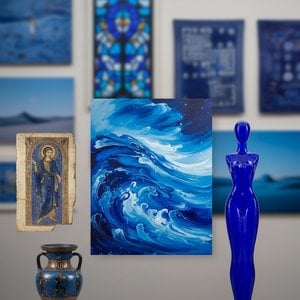
Explore the rich history of blue in art! Discover its symbolism, from ancient pigments to modern masterpieces by Kandinsky & Seurat. Uncover the psychological impact and cultural meanings behind this captivating hue.

Immerse yourself in the captivating world of slate blue! Explore 10 iconic paintings by Monet, Van Gogh & Renoir. Discover their stories, techniques & find museum-quality art reproductions for your home at .

Explore the unsettling yet captivating world of James Ensor, a pioneer of Expressionism. Discover his satirical masterpieces, symbolic imagery & lasting influence on modern art. High-quality reproductions available at WahooArt.

ジェームズ・マクニール・ホイストラーの至高の25選。ノクターン、印象派、美しい色彩に満ちた作品群を紐解きます。WahooArtで高品質なアートプリントとインテリアをお楽しみください。名画の世界へ – WahooArt.com
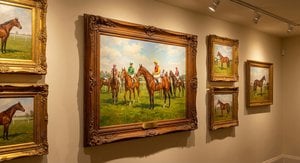
Explore 25 iconic Sir Alfred Munnings paintings! Discover the beauty of British Impressionism, equine art & rural England. Find museum-quality reproductions and elevate your home decor with WahooArt. Explore the full collection online.

 設置イメージを確認
 送る
送る シェア
シェア
 詳細情報
詳細情報 ガイドを表示

 画像をダウンロード
 似ている作品
 X線調査
X線調査 スライドショー
 統計情報
統計情報
 続きを読む
続きを読む









 ガラスオプションは、110cm未満のサイズでのみご利用いただけます。


