
迅速な制作と多彩な仕上げオプションを備えた、ミュージアムクオリティのジークレーまたはキャンバスプリント。 ( 手描きの絵画を購入 デジタル画像販売へ切り替え)





























作品のオリジナル比率に合わせた、当店の規定サイズからお選びください。

特定のフレームやスペースに合わせて、ご自身でサイズを指定することも可能です。選択されたサイズが元の画像の比率と一致しない場合、作品をトリミングするか、鏡面反射または単色での塗りつぶしによって画像を拡張いたします。制作を開始する前に、ご確認用のデジタルモックアップをお送りいたします。
画面上のプレビューには、実際のトリミングや拡張は反映されませんのでご注意ください。最終的な構図を正確に確認できるのは、モックアップのみとなります。
カスタムサイズも承っておりますが、元の比率を維持するためには、あらかじめ用意されたリストからサイズを選択することをお勧めいたします。

Joseph Interprets the Dreams While In Prison
複製画のサイズ
James Jacques Joseph Tissot’s “Joseph Interprets the Dreams While In Prison,” painted in 1902, is more than a mere depiction of a biblical scene; it’s a meticulously crafted tableau brimming with psychological depth and an unwavering commitment to realism. This work, created during a pivotal period in Tissot's career, exemplifies his mastery of gouache – a medium he expertly wielded to achieve luminous colors and remarkably detailed textures that continue to captivate viewers today. The painting transports us directly into the claustrophobic confines of a prison cell, where Joseph, the resourceful and insightful protagonist of Genesis, skillfully interprets the troubling dreams of his fellow inmates, demonstrating both his prophetic abilities and his profound understanding of human nature.
Tissot’s artistic style is immediately recognizable – a staunch adherence to realism that was central to his success. He didn't simply illustrate the biblical story; he sought to breathe life into it, rendering each character with an astonishing level of detail and emotional nuance. The composition itself is carefully constructed, guiding the viewer’s eye across the scene. Joseph, positioned prominently on the left, commands attention with a thoughtful expression, while the other figures – seated, standing, and observing – contribute to the narrative's unfolding drama. The inclusion of the two bowls and the chair adds a layer of domesticity to the otherwise stark setting, subtly emphasizing the human element within this extraordinary event.
Painted in 1902, “Joseph Interprets the Dreams While In Prison” reflects Tissot’s broader artistic trajectory – a career marked by his fascination with biblical subjects and his ability to capture the social and cultural nuances of his time. Tissot was a prominent figure in the Parisian art scene, known for his genre paintings depicting fashionable women and everyday life. His work demonstrates a deep understanding of both classical composition and contemporary aesthetics. This particular piece stands as a testament to Tissot's skill in translating religious narratives into accessible and emotionally resonant works of art, solidifying his place within the canon of 19th-century artistic achievement.


1836 - 1902 , フランス
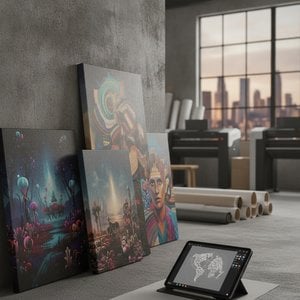
あなたのクリエイティビティを、世界中のファンへ届ける新しい形。在庫リスクなしで始められるオンデマンド・アートプリント販売をご紹介します。美術館品質のジークレー印刷技術を用い、デジタルな感性を一生のレガシーとなるファインアートへと昇華。WahooArtが提案する、洗練されたアーティスト・ビジネスの第一歩をここから。

Master the nuances of Giclée printing with our expert guide. Discover how pigment-based inks and museum-grade substrates create fade-resistant, high-fidelity art reproductions designed for discerning collectors seeking unparalleled quality and longevity.

Discover museum-quality Giclée paper prints at WahooArt. Elevate your space with archival, pigment-based reproductions of the world's greatest masterpieces. Affordable, elegant, and designed for lasting beauty. Start curating your timeless art legacy today.


 プレビュー
プレビュー
 シェアする
シェアする シェアする
シェアする
 詳細を見る
詳細を見る

 ダウンロード
 似ている作品
 X線調査
X線調査 スライドショー
 統計情報
統計情報

 詳細を見る
詳細を見る









 ガラスオプションは、110cm未満のサイズでのみご利用いただけます。


