
当社のアーティストが、お客様のご希望のサイズと額縁に合わせて、キャンバスに手描きで制作する油彩画です。 ( プリント版に切り替え デジタル画像販売へ切り替え)





























作品のオリジナル比率に合わせた、当店の規定サイズからお選びください。

特定のフレームやスペースに合わせて、ご希望のサイズをご入力いただけます。選択されたサイズが元の画像の比率と異なる場合、アートワークをトリミングするか、手描きで要素を追加して絵画を拡張いたします。デジタルモックアップ を制作し、制作開始前にご確認(承認)をいただきます。
画面上のプレビューは、実際のトリミングや拡張を正確に反映しているものではありません。最終的な構図は、モックアップによってのみ正確にご確認いただけます。
カスタムサイズもご利用いただけますが、元の比率を維持するためには、あらかじめ用意されたリストからサイズを選択することをお勧めいたします。

Cérès protégeant Triptolème contre le roi Lyncus
複製画のサイズ
This captivating oil painting depicts a dramatic scene drawn directly from Greek mythology. It portrays Cérès (Roman goddess Ceres), the powerful deity of agriculture, fertility, and motherhood, fiercely protecting Triptolème, an Athenian king credited with introducing agriculture to mankind. The narrative centers on a perilous encounter where Cérès intervenes against King Lyncus, who, in a fit of rage or madness, attempted to kill Triptolème. A serpentine figure adds another layer of threat and divine intervention to the scene.
The artwork is firmly rooted within the Baroque style, characterized by its dynamic composition, intense emotion, and dramatic use of light and shadow (chiaroscuro). Dumont masterfully employs a diagonal thrust in the arrangement of figures, creating a sense of urgency and movement. The muscular depiction of Cérès, actively defending Triptolème who lies upon an ornate bed, conveys strength and courage. The presence of Triptolème, standing protectively nearby with what appears to be a staff or scepter, reinforces the theme of guardianship. Noticeable brushstrokes and layering of paint contribute to the texture and depth of the scene. The artist’s skillful use of warm tones – reds, browns, and golds – contrasted with cooler blues and greens in the drapery creates visual richness and enhances the dramatic impact.
Beyond its narrative depiction, the painting is rich in symbolic meaning. Cérès embodies divine power and maternal protection, while Triptolème represents the gift of agriculture to humanity. The serpent symbolizes danger, evil, or a test of faith, highlighting the perilous situation faced by Triptolème. The overall emotional tone is one of intense drama and urgency, evoking feelings of fear, courage, and ultimately, divine intervention. The muscular figure's heroic stance and protective gesture powerfully convey strength and determination in the face of adversity.
Jacques Dumont dit "le Romain" (1704-1781) was a French history and portrait painter who enjoyed considerable celebrity during his lifetime. He trained initially in Paris, later studying in Rome – hence the moniker “le Romain.” He became a respected member of the Académie royale de peinture et de sculpture. While perhaps less known today than some of his contemporaries, Dumont’s work reflects the artistic tastes and values of the 18th century, particularly the continued popularity of mythological subjects and the emphasis on dramatic storytelling through painting. This piece exemplifies his ability to capture dynamic scenes with a keen eye for detail and a mastery of Baroque techniques.


1701 - 1781 , France
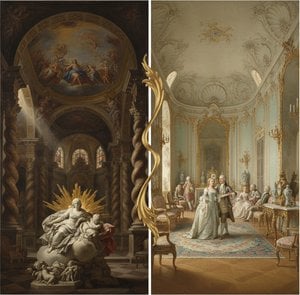
Explore the captivating evolution from Baroque's drama to Rococo's grace! Discover key artists, characteristics & lasting influence of these art movements with expert insights at WahooArt.
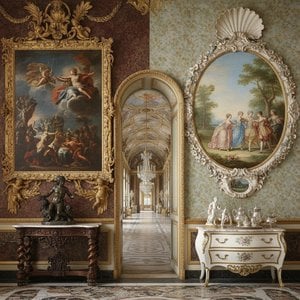
Embark on a cultural journey through the dramatic grandeur of Baroque and the delicate grace of Rococo art. Discover the history, techniques, and timeless beauty of these magnificent eras with our expert-led exploration of European masterpieces.

Explore the opulent world of Rococo art! Discover its origins, key artists like Watteau & Boucher, and lasting influence on design. Expert insights for collectors & enthusiasts.

Explore the profound differences between Baroque drama and Rococo elegance. Our expert guide delves into art history, chiaroscuro, and the evolution of European masterpieces for collectors and enthusiasts seeking deep historical context.

Explore the dramatic evolution from Baroque's intense chiaroscuro to Rococo's golden elegance. Our expert guide decodes the shift from high-drama shadows to playful, ornate grace for art enthusiasts and collectors seeking deep historical insight.


 プレビュー
プレビュー
 シェアする
シェアする シェアする
シェアする
 詳細を見る
詳細を見る

 ダウンロード
 似ている作品
 X線調査
X線調査 スライドショー
 統計情報
統計情報

 詳細を見る
詳細を見る









 ガラスオプションは、110cm未満のサイズでのみご利用いただけます。


