
 Acrylic On CanvasWallArtFlorentine Gothic
 1365
1365 25.0 x 10.0 cm
 メトロポリタン美術館
当社のアーティストが、お客様のご希望のサイズと額縁に合わせて、キャンバスに手描きで制作する油彩画です。 ( プリント版に切り替え デジタル画像販売へ切り替え)





























作品のオリジナル比率に合わせた、当店の規定サイズからお選びください。

特定のフレームやスペースに合わせて、ご希望のサイズをご入力いただけます。選択されたサイズが元の画像の比率と異なる場合、アートワークをトリミングするか、手描きで要素を追加して絵画を拡張いたします。デジタルモックアップ を制作し、制作開始前にご確認(承認)をいただきます。
画面上のプレビューは、実際のトリミングや拡張を正確に反映しているものではありません。最終的な構図は、モックアップによってのみ正確にご確認いただけます。
カスタムサイズもご利用いただけますが、元の比率を維持するためには、あらかじめ用意されたリストからサイズを選択することをお勧めいたします。

Six Angels
複製画のサイズ
The series of six angels, a captivating ensemble from the Florentine master Jacopo di Cione (c. 1325 – c. 1399), offers a glimpse into the vibrant artistic landscape of late medieval Italy. More than mere decorative elements, these figures—mounted within the frame of a panel depicting the Crucifixion—represent a poignant intersection of religious devotion and architectural ambition. Originally conceived as pilasters adorning an altarpiece for Santa Maria degli Angeli in Florence, their current arrangement, a carefully considered reconfiguration by a 19th-century collector, speaks to the enduring power of artistic adaptation and the layered history embedded within each brushstroke.
Dating back to approximately 1365, the painting’s genesis lies within the ambitious project of transforming the chapel dedicated to Ognissanti. This chapel, funded by Ser Francesco di Ser Berto degli Albizzi, was intended as a testament to piety and artistic patronage—a space designed to inspire awe and reverence. The altarpiece itself, a complex composition featuring the Crucifixion at its heart, served as the focal point of this endeavor. The angels, initially conceived as integral components of the altarpiece’s structure, were thus inextricably linked to the narrative of sacrifice and redemption.
Jacopo di Cione's masterful technique is immediately apparent in the delicate execution of these angelic figures. Painted in tempera on wood, a medium favored for its luminosity and ability to achieve rich, vibrant colors, the angels possess an ethereal quality. The use of gold leaf—evident in the panel’s frame—further enhances this sense of otherworldly beauty, elevating the scene beyond the earthly realm. The artist's meticulous attention to detail is particularly striking in the rendering of their drapery, which flows with a graceful fluidity, suggesting both movement and serenity.
Notably, the composition draws upon the stylistic conventions of Florentine Gothic art, characterized by its elegance, naturalism, and expressive emotionality. Jacopo’s work reflects the influence of his family—Andrea di Cione (Orcagna), Nardo, and Matteo di Cione—all renowned for their collaborative efforts and shared aesthetic sensibilities. The brothers' legacy is evident in the harmonious balance between form and content, a hallmark of Florentine Gothic art.
Each angel within the series embodies specific attributes associated with divine messengers. Their gestures—clasped hands, uplifted arms—evoke a sense of prayerful devotion and communication with the heavens. The crowns adorning their heads signify their elevated status as celestial beings, while their serene expressions convey an aura of peace and wisdom. The grouping itself suggests a chorus of angels attending to the suffering Christ, offering solace and support in his earthly ordeal.
Furthermore, the placement of the angels within the frame of the Crucifixion panel underscores the central theme of redemption. They serve as witnesses to the sacrifice of Christ, reminding viewers of the promise of salvation offered through faith. The entire composition becomes a meditation on themes of grace, mercy, and divine love—a powerful testament to the enduring power of religious art.
Today, these Six Angels exist not only as original works of art but also as meticulously crafted reproductions, offering an accessible pathway to experience Jacopo di Cione’s genius. WahooArt.com proudly presents high-quality hand-painted reproductions that faithfully capture the essence and beauty of this remarkable series. Whether adorning a private residence or gracing a public space, these reproductions serve as a timeless reminder of the enduring legacy of Florentine Gothic art—a celebration of faith, artistry, and the profound mysteries of the human spirit.


1325 - 1399 , Italy
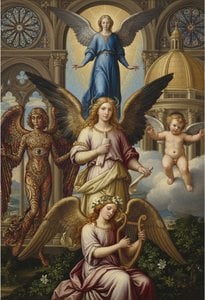
Explore the profound beauty of angelic figures in art history. From Renaissance masterpieces to celestial symbolism, our expert guide offers a sophisticated journey through the divine imagery of the Old Masters for discerning collectors and art enthusiasts.
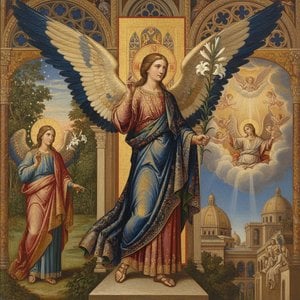
Explore the profound beauty of Angel Gabriel in art history. From Renaissance masterpieces to Baroque splendor, our expert guide delves into the sacred iconography and timeless techniques of these divine messengers for the discerning art enthusiast.
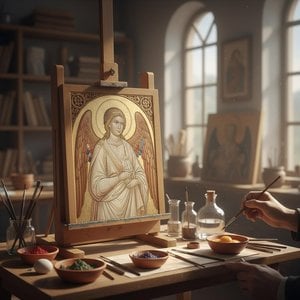
Unveil the sacred secrets of egg tempera on panel. Journey through the technical mastery and profound artistry of the Old Masters, from Giotto to Botticelli. An essential educational guide for Renaissance art enthusiasts seeking deep historical insight and expertise.


 プレビュー
プレビュー
 シェアする
シェアする シェアする
シェアする
 詳細を見る
詳細を見る

 ダウンロード
 似ている作品
 X線調査
X線調査 スライドショー
 統計情報
統計情報 詳細を見る
詳細を見る









 ガラスオプションは、110cm未満のサイズでのみご利用いただけます。


