
 Oil On CanvasWallArtBaroque
 1740Early Modern
 45.0 x 75.0 cm
 Gallerie dell’Accademia
当社のアーティストが、お客様のご希望のサイズと額縁に合わせて、キャンバスに手描きで制作する油彩画です。 ( プリント版に切り替え デジタル画像販売へ切り替え)





























作品のオリジナル比率に合わせた、当店の規定サイズからお選びください。

特定のフレームやスペースに合わせて、ご希望のサイズをご入力いただけます。選択されたサイズが元の画像の比率と異なる場合、アートワークをトリミングするか、手描きで要素を追加して絵画を拡張いたします。デジタルモックアップ を制作し、制作開始前にご確認(承認)をいただきます。
画面上のプレビューは、実際のトリミングや拡張を正確に反映しているものではありません。最終的な構図は、モックアップによってのみ正確にご確認いただけます。
カスタムサイズもご利用いただけますが、元の比率を維持するためには、あらかじめ用意されたリストからサイズを選択することをお勧めいたします。

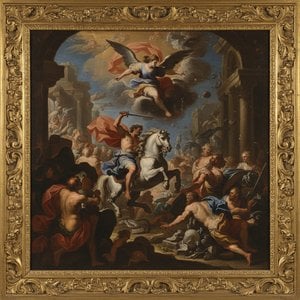
Venus and Adonis
複製画のサイズ
In the grand tapestry of eighteenth-century art, few works capture the delicate tension between divine grace and mortal longing as poignantly as Jacopo Amigoni’s Venus and Adonis. Painted around 1740, this masterpiece serves as a quintessential window into the Rococo aesthetic—an era defined by an unapologetic obsession with beauty, sensuality, and aristocratic refinement. While the subject matter draws from the deep wells of classical mythology, Amigoni breathes a contemporary vitality into the scene, transforming a legendary tale into a luminous meditation on desire and fate. The painting does not merely depict a moment in time; it invites the viewer into an ethereal realm where the boundaries between the heavens and the earth seem to dissolve in a soft, golden haze.
The composition is a masterclass in Baroque elegance refined. Amigoni utilizes the dramatic lighting and dynamic movement characteristic of the Baroque period but tempers it with the delicate, ornamental touch of the Rococo. At the heart of the canvas, the figures move with a choreographed grace that feels both energetic and serene. The goddess Diana, often associated with the hunt and protection, anchors the central axis, her form rendered with a meticulous anatomical precision that speaks to Amost impressive command of classical realism. Surrounding her, a celestial ballet of angels and playful cupids swirls through the landscape, creating an atmosphere of vibrant, youthful energy that is both captivating and dreamlike.
Amigoni’s technical prowess is most evident in his sophisticated use of color and light, a skill deeply rooted in his Venetian training. He employs a remarkable layering of translucent glazes, a technique that imbues the oil on canvas with an almost supernatural luminosity. This allows light to appear as if it is emanating from within the figures themselves, particularly in the soft, pearlescent skin tones of the deities. To provide a necessary counterpoint to this ethereal glow, Amigoni utilizes impasto—the thick, textured application of paint—especially within the flowing draperies and the lush foliage of the background. This interplay between smooth, glazed surfaces and tactile, raised textures creates a profound sense of depth and physical presence.
Every element of the natural world within the painting is treated with painterly devotion. The dappled sunlight filtering through the trees, the mirror-like surface of the water reflecting an azure sky, and the intricate details of the forest floor all contribute to a cohesive, immersive environment. For the discerning collector or interior designer, this level of detail ensures that the artwork remains visually engaging from every angle, offering new discoveries upon every viewing. The painting functions not just as a focal point, but as a window into a lush, idealized landscape that brings a sense of classical grandeur to any sophisticated space.
Beyond its visual splendor, Venus and Adonis is steeped in profound symbolic meaning. The artwork captures the eternal struggle between the permanence of the gods and the fragility of human life. The presence of the bow and arrow serves as a poignant reminder of Diana’s role as a huntress, while the cupids represent the untamable nature of love and joy. There is an inherent emotional duality at play: a sense of tranquil beauty juxtaposed with the underlying drama of mythological destiny. This tension creates an emotional resonance that transcends the era in which it was painted, making it a timeless piece for those who appreciate art that speaks to the complexities of the human heart.
For those seeking to adorn a home or gallery with a high-quality reproduction, this work offers more than mere decoration. It provides an infusion of history, culture, and emotion. Whether placed in a sunlit salon or a more intimate study, Amigoni’s vision of mythological splendor acts as a conversation piece that evokes reverence for the natural world and the enduring power of classical myth. It is an investment in an atmosphere of elegance, grace, and eternal beauty.
1682年頃にナポリで生まれ、1752年にマドリードでその生涯を閉じたヤコポ・アミゴーニは、後期バロックから初期ロココへと移り変わる芸術界において、極めて重要な役割を果たした人物です。ヴェネツィアで研鑽を積んだ彼のキャリアは、ヨーロッパ全土へと花開き、当時の人々が最も切望した肖像画家、そして舞台美術家としての地位を確立しました。アミゴーニの足跡は、絶え間ない移動の歴史でもありました。ヴェネツィアのアトリエから、バイエルン、イギリス、スペインといった豪華絢爛な宮廷へと渡り歩く中で、訪れた土地の特色は、彼の進化し続ける画風と主題に、消えることのない鮮やかな刻印を残していったのです。
キャリアの初期において、アミゴーニは神話の物語から宗教的な場面まで、幅広い作品を手がけました。これらの初期作品には、芽生えつつあった卓越した技術力と、劇的な構図に対する深い造詣が見て取れます。しかし、18世紀が進み、貴族階級のパトロンたちから高い評価を得るにつれ、彼の関心はより親密なサロン様式の絵画へと移ろっていきました。物憂げなポーズをとる神々の描写、寓意的な主題、そしてヨーロッパ貴族の真髄を捉えた肖材画――。贅沢な布地の質感、煌めく宝石、そして表情豊かな顔立ちを見事に描き出すその手腕は、アミゴーニ独自のスタイルを象徴する代名詞となりました。
アミゴーニの生涯は、その旅路と分かちがたく結びついています。1717年頃、彼はバイエルンでの活動を開始し、当初はニンフェンブルク宮廷のために、後にシュライスハイム宮廷において1725年から1テン29年にかけて輝かしい地位を築きました。このドイツ圏の地での経験が、緻密なディテールと高度な技術を兼ね備えた作品を生み出す彼の名声を確固たるものにしました。その後、1726年からは再びヴェネツィアへと戻り、シュトライト家やサヴォイア家といった有力なヴェネツィアの家系に仕え、彼らの邸宅を飾る重要な作品群を次々と生み出していきました。
18世紀半ば、アミゴーニの旅はイギリスへと広がります。ロンドンに数年間滞在した彼は、タンカービル卿をはじめとする様々なパトロンのために活動し、コヴェント・ガーデンの演劇界にもその足跡を残しました。イギリスにおける彼の存在感は極めて大きく、ジェームズ・ラルフのような当時の批評家たちと活発な論争を繰り広げました。ラルフによる辛辣な批評は、アミゴーニの作品が持つ美しさと、同時に人々が感じた過剰さを浮き彫りにすることとなりました。また、この時期の彼は、自身のネットワークを駆使してカナレットをイギリスへと誘うという、英国美術界における極めて重要な役割も果たしたのです。
1736年、彼の旅はパリへと続きます。そこで彼は伝説的なカストラート、ファリネッリと出会い、歌手とその随行員を描いた二つの見事な肖像画を完成させました。その後、マドリードに拠点を移した彼は、スペイン国王フェルナンド6世の宮廷画家となり、サン・フェルランド王立アカデミーの院長という、スペイン美術界において絶大な影響力を持つ地位に就きました。この地でフランソワ・ルメインやブーシェの作品にも触れ、彼らの独特な様式のエッセンスを自らのものへと吸収していったのです。
アミゴーニの画風は、その豪華絢爛さ、技術的な輝き、そして色彩と光に対する卓越した支配力によって特徴づけられます。彼の絵画にはしばしば演劇的な情緒が漂い、ドラマチックな明暗法(キアロスクーロ)を用いることで、画面に奥行きを与え、構図内の主要な人物を際立たせています。特に、ベルベットのローブの襞から宝石の煌めきに至るまで、あらゆる質感を表現する能力に長けており、それが作品全体に贅沢な品格をもたらしています。
ジュゼッペ・ノガーリのような画家のバロック的伝統に影響を受けつつも、アミゴーニは独自のロココ的な感性を開花させました。それは優雅さと気品、そして装飾的な細部へのこだわりによって形作られたものです。彼の肖像画は単なる外見の記録ではありません。被写体の個性や社会的地位を、驚くべき繊細さで捉えているのです。その作品には、当時のファッションに対する鋭い審美眼と、時代の美的潮流に対する深い理解が宿っています。
ヤコポ・アミゴーニが残した遺産は、その膨大な作品群に留まりません。彼は、シャルル=ジョセフ・フリパール、ミケランジェロ・モルライター、ピエトロ・アントニオ・ノヴェッリといった将来有望な若き芸術家たちの師となり、自らの芸術的系譜を次世代へと繋ぎました。彼の影は、後世の画家たちの作品の中にも脈々と流れています。
最も名高い作品の一つである「アルゴスの首を受け取るユノ」(1730年)は、ローマの女神をドラマチックに描き出し、「アブラハムと三人の天使」は神の介入を力強く表現しています。また、「慈愛の寓意」は、複雑な寓意的主題を優雅かつ気品をもって伝える彼の才能を象徴しています。そしてファリネッリの肖像画は、被写体の持つカリスマ性と個性を捉える彼の手腕を示す、極めて重要な傑作として今なお語り継がれています。
アミゴーニの生涯は、1752年にマドリードで幕を閉じました。娘のカテリーナ・アミゴーニ・カステッリーニもパステル画家として家族の芸術的伝統を受け継ぎ、美術界におけるアミゴーニの名をさらに確固たるものにしました。彼の作品は、ロココ時代におけるヨーロッパ貴族社会の華やぎを、美しさと技術、そして情緒豊かな描写とともに、今もなお私たちに伝えてくれているのです。

1682 - 1752 , イタリア
Explore the breathtaking power of Baroque art. Delve into the dramatic interplay of light, shadow, and motion through the works of masters like Caravaggio. Discover how the era's intense emotional realism continues to inspire collectors and connoisseurs of classical grandeur.

Explore the breathtaking drama of the Baroque era. From the mastery of chiaroscuro to epic mythological narratives, discover a definitive guide to art's most powerful period of light, shadow, and emotion for the true classical art enthusiast.

Embark on a sophisticated visual journey through art history's most iconic Venus masterpieces. Explore the divine beauty of Botticelli and the evolution of classical mythology through expert curation for the discerning art enthusiast.

Embark on a sophisticated journey through the eternal allure of mythological art. Discover how master painters breathe life into ancient legends, from Greek deities to Baroque masterpieces, and learn to curate these timeless narratives within your own exquisite art collection.


 プレビュー
プレビュー
 シェアする
シェアする シェアする
シェアする
 詳細を見る
詳細を見る

 ダウンロード
 似ている作品
 X線調査
X線調査 スライドショー
 統計情報
統計情報 詳細を見る
詳細を見る









 ガラスオプションは、110cm未満のサイズでのみご利用いただけます。


