


x

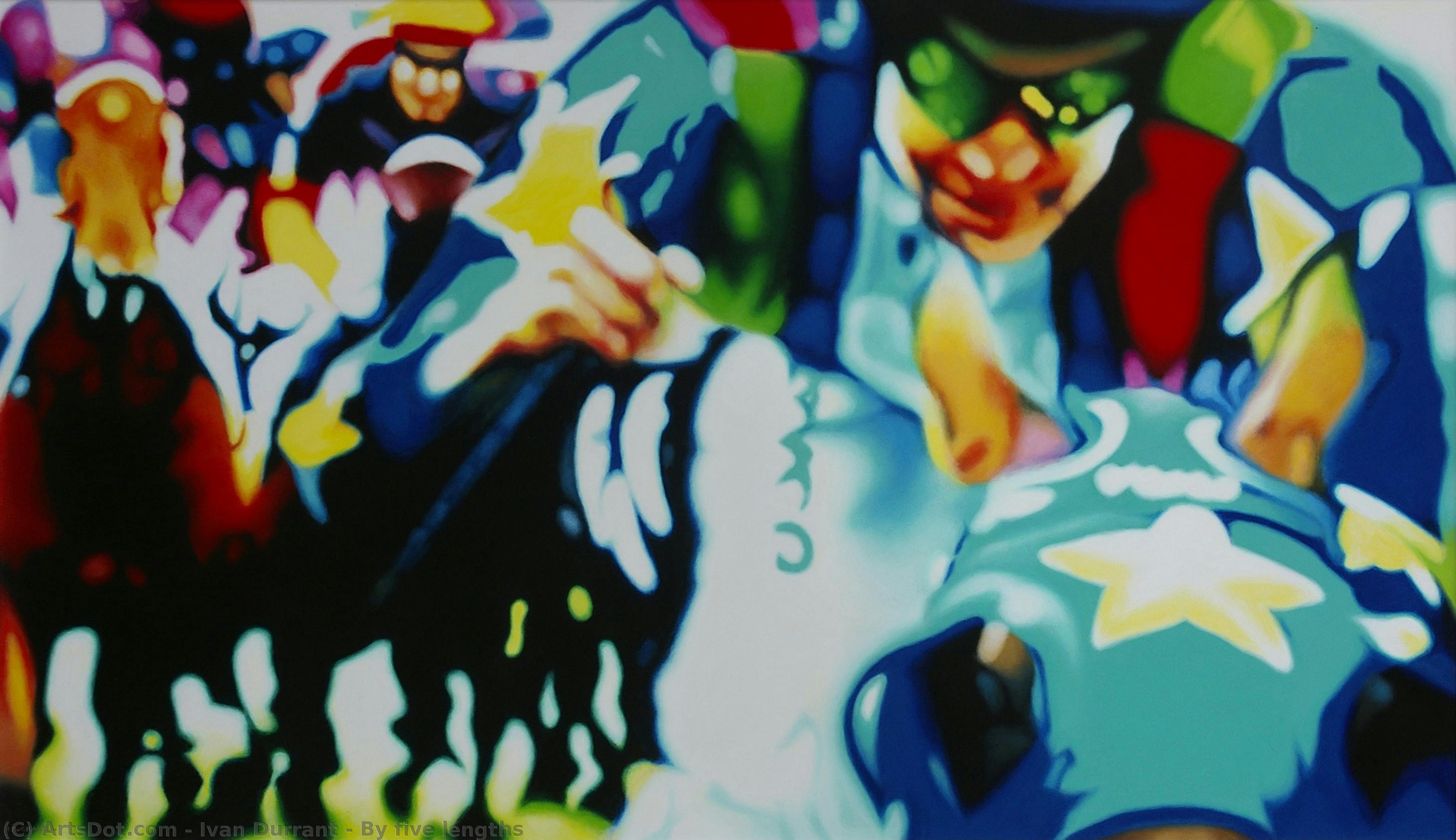
 2014
2014 100.0 x 160.0 cm
 Ian Potter Museum of Art
作品のオリジナル比率に合わせた、当店の規定サイズからお選びください。

特定のフレームやスペースに合わせて、ご希望のサイズをご入力いただけます。選択されたサイズが元の画像の比率と異なる場合、アートワークをトリミングするか、手描きで要素を追加して絵画を拡張いたします。デジタルモックアップ を制作し、制作開始前にご確認(承認)をいただきます。
画面上のプレビューは、実際のトリミングや拡張を正確に反映しているものではありません。最終的な構図は、モックアップによってのみ正確にご確認いただけます。
カスタムサイズもご利用いただけますが、元の比率を維持するためには、あらかじめ用意されたリストからサイズを選択することをお勧めいたします。

By five lengths
複製画のサイズ
Born in Melbourne, Australia, in 1947, Ivan Durrant’s early life was marked by instability and hardship, experiences that would profoundly shape his artistic vision. As one of seven children born to a young mother and a war veteran father struggling with the aftermath of trauma, Durrant's childhood unfolded against a backdrop of poverty and familial disruption. The family initially resided in Camp Pell, a post-war slum within Melbourne’s Royal Park, before relocating to Gippsland. However, the challenges proved insurmountable, leading his mother to place Ivan and several siblings into the care system at the age of seven.
The nine years Durrant spent within the evolving iterations of Melbourne Orphanage were pivotal. While institutional life presented its difficulties – emotional abuse and even unsettling medical experimentation are recounted in his personal history – it also provided a space for nascent artistic talent to emerge. Drawing became a means of social connection, offering protection from bullying as older boys commissioned sketches in their books. This early recognition fostered a burgeoning passion that would eventually define his career. Summers were spent working on farms in Katunga and Euroa, where Durrant developed a deep affinity for animals, particularly cattle, an affection that would resurface repeatedly in his later work.
Following his time in the orphanage, Durrant began to explore painting seriously, holding his first exhibition in St Kilda in 1970. However, it was a decade later that he truly burst onto the Australian art scene, earning him the moniker “the *enfant terrible* of Australian art.” The event that cemented this reputation was the infamous “Slaughtered Cow Happening” of 1975. Durrant purchased a cow destined for the knacker’s yard and publicly slaughtered it outside the National Gallery of Victoria. This act, intended as a provocative commentary on the hypocrisy surrounding meat consumption and the disconnect between consumers and the realities of food production, ignited public outrage and garnered widespread media attention.
While shocking, the “Slaughtered Cow Happening” was not merely an exercise in sensationalism. It was a calculated attempt to force a confrontation with societal norms and challenge prevailing attitudes towards animal welfare and the ethics of eating meat. Durrant skillfully manipulated the press, using the media as a platform to amplify his message and establish himself as a controversial figure willing to push boundaries.
Despite being widely recognized for this performance art piece, the core of Durrant’s oeuvre lies in painting. His technique evolved from an initial childlike, folksy style into what he terms “Super-Realism”—a hyperrealistic approach that goes ‘above and beyond the photo’. This meticulous attention to detail was honed during a period working in a prosthetics laboratory at Royal Melbourne Hospital, where he developed a remarkable ability to create lifelike body parts. This skill translated seamlessly into his paintings of butchered meats, pig heads, and other visceral subjects.
Durrant’s work isn't simply about replicating reality; it is about intensifying it, forcing the viewer to confront uncomfortable truths with unnerving clarity. His exploration of Australian Rules football in more recent works demonstrates a continued fascination with color, action, and the cultural significance of everyday life. His artistic range encompasses paintings, photography, public performance, installation art, short films, and sculpture.
Durrant’s work consistently grapples with socio-political themes, often challenging conventional morality and prompting critical reflection on issues such as animal rights, consumerism, and the human condition. His artistic periods reflect a journey of exploration: from early depictions of farm life and landscapes to his groundbreaking photorealistic paintings of jockeys and meat, each phase represents a deepening engagement with these complex ideas.
His residency at the Art Council of Australia in New York City in 1976 broadened his exposure to international art trends but did not diminish his uniquely Australian perspective. Durrant’s legacy extends beyond individual artworks; he is recognized as a pivotal figure in challenging artistic conventions and sparking dialogue about difficult subjects. His works are held in numerous public collections, including the National Gallery of Australia, Canberra, solidifying his place as an important voice in contemporary Australian art.

1947 - , Australia


最新の美術ニュース、限定オファー、そしてインテリアのアイデアをいち早くお届けします。
お客様のプロジェクトについてお聞かせください。当社の美術専門家が、お客様に合わせた3つのパーソナライズされた芸術提案をご提供いたします。
あなたにぴったりの3作品を無料で厳選いたします
 プリントを購入
 シェアする
シェアする シェアする
シェアする
 詳細を見る
詳細を見る

 ダウンロード
 似ている作品
 X線調査
X線調査 スライドショー
 詳細を見る
詳細を見る






































 ガラスオプションは、110cm未満のサイズでのみご利用いただけます。


