


 Oil On CanvasWallArtImpressionism
 190019th Century
 149.0 x 208.0 cm
迅速な制作と多彩な仕上げオプションを備えた、ミュージアムクオリティのジークレーまたはキャンバスプリント。 ( 手描きの絵画を購入 画像を購入)





























作品のオリジナル比率に合わせた、当店の規定サイズからお選びください。

特定のフレームやスペースに合わせて、ご自身でサイズを指定することも可能です。選択されたサイズが元の画像の比率と一致しない場合、作品をトリミングするか、鏡面反射または単色での塗りつぶしによって画像を拡張いたします。制作を開始する前に、ご確認用のデジタルモックアップをお送りいたします。
画面上のプレビューには、実際のトリミングや拡張は反映されませんのでご注意ください。最終的な構図を正確に確認できるのは、モックアップのみとなります。
カスタムサイズも承っておりますが、元の比率を維持するためには、あらかじめ用意されたリストからサイズを選択することをお勧めいたします。

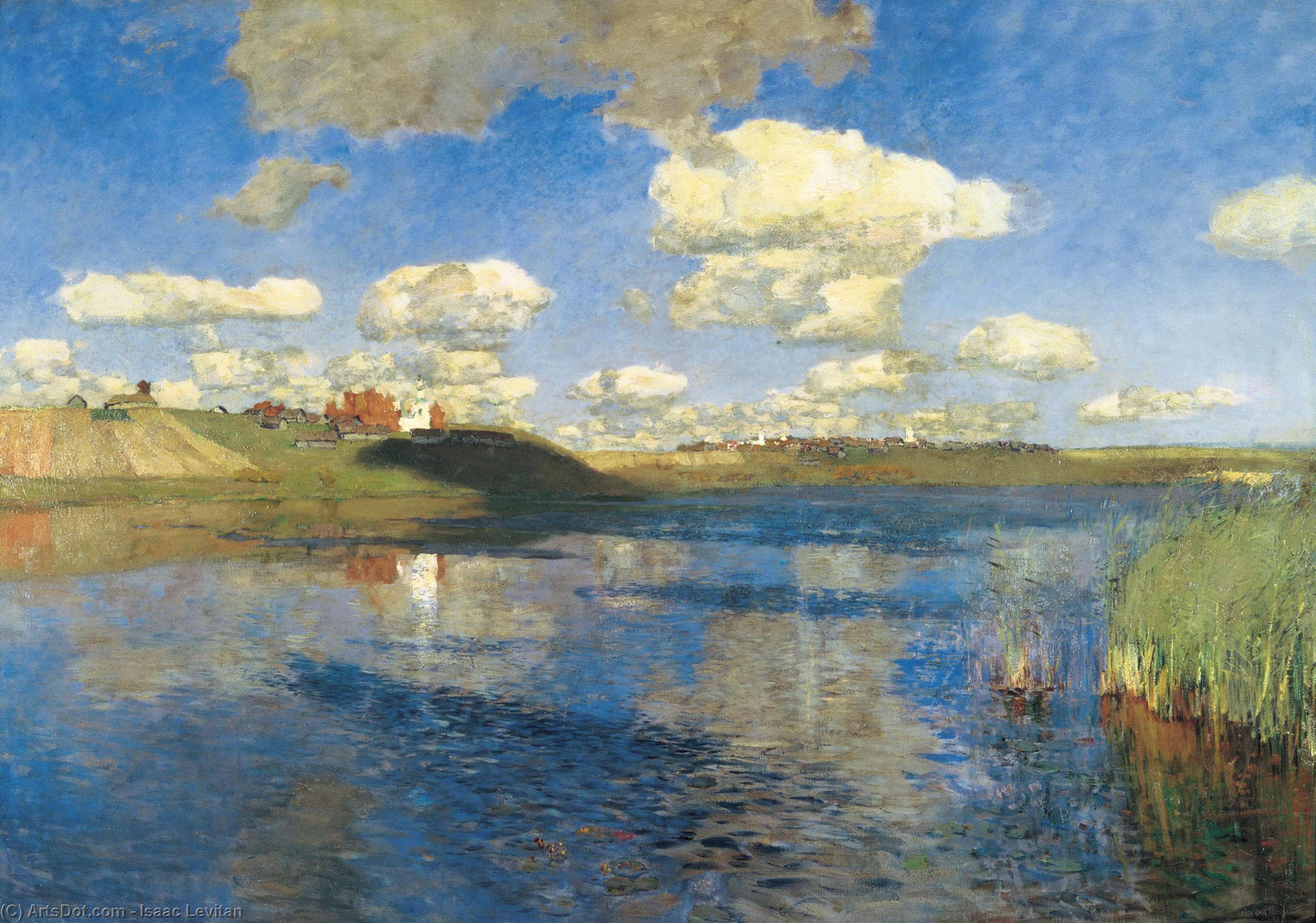
Lake. Rus.
複製画のサイズ
To stand before this depiction of "Lake" is to be enveloped by the very atmosphere of early twentieth-century Russia—a place where nature’s grandeur met the quiet persistence of human life. This painting, executed around 1900, captures a river scene under a vast, mutable sky. It is not merely a record of water and reeds; it is an immersion into a moment of profound, diffused light. The artist has masterfully translated the ephemeral quality of natural illumination onto canvas, inviting the viewer to breathe in the cool, damp air that seems perpetually suspended over the water’s surface.
The style employed here is a quintessential example of Impressionism, yet filtered through the unique sensibility of Isaak Ilyich Levitan. Observe how the artist eschews sharp outlines for the poetry of broken color. The composition unfolds in horizontal bands—the shimmering water mirroring the heavens above, the distant, softly defined shoreline punctuated by man-made structures, and the foreground anchored by whispering reeds. These elements do not compete; rather, they merge into a unified visual symphony. The technique relies on visible, loose brushstrokes, allowing the texture of the oil paint itself to contribute to the painting's palpable energy. It is through these short, broken strokes that Levitan achieves a sense of movement, making the water appear less like a solid body and more like captured light.
Understanding the context of Levitan’s life adds layers to this visual experience. Working during a period of immense social and personal upheaval in Russia, his art often carried an undercurrent of deep melancholy mixed with enduring hope. This landscape becomes a sanctuary—a place where the soul can find solace away from the complexities of urban existence or historical constraint. The interplay between the wild natural elements and the distant signs of civilization speaks to a universal human condition: our yearning for both untamed beauty and the comfort of community. It is a meditation on coexistence.
The emotional resonance of this piece is one of profound tranquility. The blues and yellows, dominant in their variations across the canvas, do more than just describe color; they evoke feeling—the cool calm of deep water meeting the warm glow of reflected sunlight. Symbolically, the river itself has always represented the flow of time and life’s journey. Here, that journey is rendered gentle, cyclical, and deeply beautiful. For collectors and designers alike, this artwork offers more than mere decoration; it promises an infusion of serene contemplation into any space it graces.
The materials—oil paints on canvas—are handled with a delicate touch that suggests layering thin washes to build luminosity. While the original possesses the unique patina of age, reproductions capturing this work must honor its technical brilliance. The goal is always to replicate not just the image, but the feeling of the artist’s hand at work: the visible texture, the atmospheric depth achieved through perspective, and that signature luminous quality that makes one feel as if the light itself has been trapped forever on the canvas.


1860 - 1900 , ロシア

Embark on a visual journey through the serene mastery of lake scene landscapes. Explore the profound beauty of Impressionist, Romantic, and Luminist oil paintings, curated for the sophisticated collector seeking timeless tranquility and artistic excellence.

 プレビュー
プレビュー
 シェアする
シェアする シェアする
シェアする
 詳細を見る
詳細を見る

 ダウンロード
 似ている作品
 X線調査
X線調査 スライドショー
 詳細を見る
詳細を見る









 ガラスオプションは、110cm未満のサイズでのみご利用いただけます。


