設置イメージを確認 ARで壁に飾るイメージを見る プリント版に切り替え デジタル画像販売へ切り替え 送る
詳細情報 ガイドを表示 お気に入りに追加 画像をダウンロード 似ている作品 X線調査 スライドショー 統計情報

Thursday April 17

Discover iosu aramburu, a Peruvian visual artist renowned for exploring modernity, Andean history, and architecture through innovative painting, sculpture, and installation. Dive into his impactful work on Latin American modernism.

手描き油彩複製画

当社のアーティストが、お客様のご希望のサイズと額縁に合わせて、キャンバスに手描きで制作する油彩画です。 ( プリント版に切り替え デジタル画像販売へ切り替え)

標準サイズ
カスタムサイズ
CM
INCH

作品のオリジナル比率に合わせた、当店の規定サイズからお選びください。

横幅
高さ

特定のフレームやスペースに合わせて、ご希望のサイズをご入力いただけます。選択されたサイズが元の画像の比率と異なる場合、アートワークをトリミングするか、手描きで要素を追加して絵画を拡張いたします。デジタルモックアップ を制作し、制作開始前にご確認(承認)をいただきます。
画面上のプレビューは、実際のトリミングや拡張を正確に反映しているものではありません。最終的な構図は、モックアップによってのみ正確にご確認いただけます。
カスタムサイズもご利用いただけますが、元の比率を維持するためには、あらかじめ用意されたリストからサイズを選択することをお勧めいたします。

カスタマイズの例:顔をお客様の写真に置き換える、ペットを追加する(例:猫を犬に変更)、背景に隠れたメッセージを入れる、背景の風景や要素を変更するなど。
ご注文後、WahooArt.com チームより詳細な指示をお送りするとともに、仕上がりイメージ(モックアップ)をご提供いたします。

世界中への配送()は、通常の5週間ではなく、3〜4週間でお届けいたします。(25 9月)。品質には一切妥協いたしません。

why_choose_icon
世界中へ無料エクスプレス配送
why_choose_icon
高品質なリネンキャンバス
why_choose_icon
配送時完全保険付
why_choose_icon
関税・輸入税の払い戻し保証
why_choose_icon
忠実な色彩再現の保証
why_choose_icon
100日間返品保証(製造上の欠陥がある場合のみ)
why_choose_icon
100% 全額返金保証
why_choose_icon
まとめ買い割引のご案内

合計金額

$ 272

reproduction

Thursday April 17

再現技法

複製画サイズ一覧

-

合計金額

$ 272


アーティストについて

A Reimagining of Modernity: The Visionary World of iosu aramburu

iosu aramburu emerges as a compelling voice in contemporary art, a Peruvian visual artist whose work transcends simple categorization. He isn’t merely painting or sculpting; he is excavating and reassembling the fragmented narratives of modernity within the Andean context. Born in Peru, aramburu dedicates his practice to exploring the utopian potentials inherent in early and mid-century modernism as it manifested—and was often reimagined—in Latin America. His research isn’t a nostalgic glance backward but a dynamic interrogation of how these architectural forms, social ideals, and artistic movements took root in a region grappling with its own unique history and identity.

Early Influences and Artistic Development

Aramburu's fascination stems from a deep engagement with the built environment of Peru and the broader Andean region. He doesn’t approach modernism as an imported style but rather as a localized phenomenon, shaped by indigenous traditions, political upheavals, and the specific geographical challenges of the Andes. His early work hinted at this preoccupation, often featuring abstracted landscapes punctuated by geometric forms reminiscent of modernist architecture. These weren't depictions of existing structures so much as echoes—ghosts of ambition and progress embedded within the natural world. This initial phase laid the groundwork for his more ambitious explorations into sculpture and installation, where he began to physically reconstruct fragments of this architectural past. The artist’s development is marked by a shift from representation towards reconstruction, from observing modernity to actively building its potential anew. He seeks not to replicate but to *reactivate* these forms, imbuing them with new meaning for a contemporary audience.

Themes and Symbolism in Aramburu's Work

At the heart of aramburu’s practice lies an investigation into the relationship between architecture, social utopias, and the human imagination. His installations often feature fragmented architectural elements—walls, staircases, windows—arranged in ways that disrupt traditional notions of space and functionality. These disruptions aren't arbitrary; they are deliberate attempts to challenge the perceived stability of modernist ideals. The recurring motif of the staircase, for example, can be interpreted as a symbol of both progress and impasse, representing the aspirations of modernity alongside its inherent limitations. His paintings frequently incorporate bold geometric shapes and vibrant colors, evoking the aesthetic language of early Latin American modernism while simultaneously introducing an element of surrealism. This juxtaposition creates a sense of uncanny familiarity, inviting viewers to question their own assumptions about history and progress. The artist’s work is deeply concerned with memory—the collective memories embedded within architectural structures and the individual experiences shaped by these spaces.

Major Achievements and Historical Significance

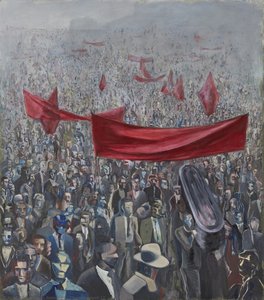
While still developing his career, aramburu has already garnered attention for his innovative approach to sculpture and installation. His piece “Thursday April 17” exemplifies his ability to create immersive environments that challenge viewers’ perceptions of space and history. The work, a fragmented architectural reconstruction, invites contemplation on the utopian ideals of modernism and their often-unfulfilled promises. Aramburu's significance lies in his refusal to treat Latin American modernism as a derivative of European or North American movements. He positions it as a distinct phenomenon—a unique response to specific historical, social, and geographical conditions. By excavating and reassembling the fragments of this past, he offers a powerful critique of colonial legacies and a hopeful vision for a more inclusive future. His work contributes to a broader conversation about the complexities of modernity and the importance of reclaiming marginalized narratives within art history. He is not simply documenting the past; he is actively shaping its future interpretation.

アーティスト情報

  • Artistic Movement Or Style: Modernism, Installation
  • Full Name: iosu aramburu
  • Nationality: Peruvian
  • Notable Artworks: ['Thursday April 17']
  • Place Of Birth: Peru