
このページに掲載されている作品は著作権法によって保護されており、当社の許可なく同一の複製物を制作または販売することは法律で禁じられています。この保護は、以下のような国際条約に基づき執行されます。 ベルヌ条約 および、以下の条項に定められたものを含む各国の法律により、 米国著作権法 第17編。
この手法は、著作権で保護された作品の複製や複写を伴わないため、著作権法に完全に準拠しています。これは単なる模倣ではなく、創造的な再解釈です。元の作品からインスピレーションを受けつつも、それとは異なる、全く新しい絵画を生み出すものです。
スピーディーな制作と多彩な仕上げオプションが魅力の、ミュージアムクオリティなジークレー・キャンバスプリント。 ( 手描きの複製画を注文する デジタル画像販売へ切り替え)
作品のオリジナル比率に合わせた、当店の規定サイズからお選びください。

額縁や壁のスペースに合わせて、ご希望の幅と高さを入力してください。プリントはカットすることは可能ですが、元の画像より大きくすることはできないため、異なる比率のサイズを選択された場合は、画像の一部が欠けることになります。印刷を開始する前に、内容を確認していただくためのデジタルモックアップをお送りいたします。このページに表示されている画像は、実際のカット後の状態を示すものではありません。実際の仕上がりはモックアップにてご確認ください。
Viewing machine
複製画サイズ一覧

To speak of the Instituto Inhotim is to speak of an experience that transcends the traditional boundaries between gallery wall and natural landscape. It is less a museum and more a living, breathing dialogue—a monumental conversation staged within the lush embrace of Brazil's Atlantic Forest biome. Conceived from the vision of former mining magnate Bernardo Paz, this institution has blossomed into one of Latin America’s most significant outdoor art centers. Its very existence challenges conventional notions of artistic display, suggesting that the deepest resonance in contemporary art can be found where meticulously crafted human creativity meets untamed botanical splendor.
The journey to Inhotim is itself part of the narrative. Established initially as a repository for Paz's profound personal collection, its subsequent opening to the public marked a pivotal moment. It did not merely house art; it curated an environment where art could interact with ecology, forcing viewers into a state of contemplation that few indoor settings can replicate. The sheer scale—spanning over 1,900 acres—is breathtaking, yet this vastness is managed with an almost surgical grace, allowing pockets of intense artistic focus to emerge from the verdant expanse.
The collection itself reads like a global conversation spanning decades. Here, one encounters monumental works by international masters alongside vital contributions from Brazilian contemporary artists. The art is not static; it demands movement, encouraging visitors to wander through pathways that guide them past installations seemingly grown out of the earth or suspended in defiance of gravity. Consider the profound impact of pieces such as Max Bill's construction en laiton, a sculpture whose very materiality speaks to themes of contrast and perfect harmony against the backdrop of tropical foliage.
The inclusion of digital works, like the notable 2010 piece Aerial View of Inhotim, demonstrates the institute's commitment to embracing every facet of modern artistic expression. These diverse holdings—from massive outdoor sculptures to intimate installations—do not merely decorate the landscape; they engage with it, using natural elements as both subject and medium.
What elevates Inhotim beyond a mere spectacle is its deep commitment to education. The institute understands that true appreciation requires context. Therefore, it nurtures a robust ecosystem of learning. Guided tours become immersive narratives, workshops invite participation, and the residency program acts as a vital circulatory system for creativity. By providing artists with studios nestled within this unique environment, Inhotim ensures that its role remains perpetually forward-looking, always anticipating the next wave of artistic thought.
The significance of Instituto Inhotim lies in its refusal to compartmentalize beauty or knowledge. It posits a model where art, nature, and culture are inseparable partners. To walk through its grounds is to participate in an ongoing dialogue—a powerful testament to the enduring power of human imagination when given room to breathe within the embrace of the natural world.

2004 - , Brazil
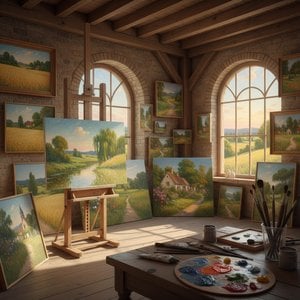
Discover the profound tranquility of rural art through an expert exploration of Impressionist landscapes. From pastoral scenes to textured oil masterpieces, learn how timeless nature-inspired artworks bring enduring elegance and serenity to sophisticated collectors.


 送る
送る シェア
シェア
 詳細情報
詳細情報 ガイドを表示

 画像をダウンロード
 似ている作品
 スライドショー
 統計情報
統計情報


 続きを読む
続きを読む






































 ガラスオプションは、110cm未満のサイズでのみご利用いただけます。


