x
プレビュープレビュー ARで試着ARで試着 プリントを購入 プリントを購入手描きの絵画を購入 手描きの絵画を購入 シェアするシェアする
詳細を見る詳細を見る お気に入りに追加 お気に入りに追加 ダウンロードダウンロード 似ている作品似ている作品 X線調査X線調査 スライドショースライドショー

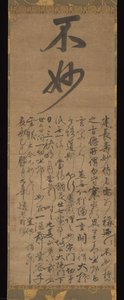
Not Clever

  • 制作日1425
  • 寸法92.0 x 36.0 cm

Discover ichidon shōzui, a renowned Muromachi period Japanese artist known for exquisite ink on paper works. Trained in Kikuchi Yosai style, he captures traditional themes with masterful brushwork and cultural significance.

オンラインプレビューをはるかに凌ぐ、高解像度で鮮明なデジタル画像をご購入いただけます。

各ファイルは、社内の専門家が高度なツールと熟練した手作業によるレタッチを用いて、細心の注意を払って準備されています。すべての画像において、卓越した鮮明度、正確な色彩再現性、そして繊細なディテールを保証いたします。

最終ファイルは、プロフェッショナルな編集・印刷環境ですぐにご利用いただけるよう最適化された状態で、72時間以内にメールにてお届けいたします。これは、一流のデザインスタジオ、出版社、ギャラリーから信頼されているものと同等の品質です。

デジタルアート

個人での鑑賞、印刷、クリエイティブなプロジェクト用に、高解像度ファイルをダウンロードできます。 (プリントを購入 プリントを購入手描きの絵画を購入 手描きの絵画を購入)

最終合計金額

$ 24.90

デジタル画像のご注文に付随する特典

高品質なデジタル画像配信を、確かな品質で。

WahooArt.com を選ぶことは、単に画像を手に入れることではありません。それは、プロの手によって精密に仕上げられ、満足保証が付いた高品質なデジタルアートワークを受け取ることを意味します。ご注文いただいた際に自動的に付随する内容は、以下の通りです:

shipping_icon
メールですぐにお届け

ご注文から72時間以内に、高解像度のデジタル画像ファイルがメールでお手元に届きます。すぐにそのままご利用いただけます。

canvas_icon
AI技術で最適化されたデジタルファイル

お客様の作品は、高度なAIツールと専門家による手作業の編集を組み合わせてプロフェッショナルに最適化されており、細部のディテール、鮮明さ、そして正確な色再現性を最大限に引き出しています。

insurance_icon
一生涯無料の再送サービス

ファイルを誤って削除したり、紛失してしまったりしましたか?ご安心ください。いつでも無料で再送いたします。

tax_icon
輸入手数料は一切かかりません

関税や手数料、配送料を気にすることなく、お気に入りのアートワークをすぐにお楽しみいただけます。デジタルダウンロードは常に免税です。

color_icon
色彩再現の保証

プロ仕様のツールとカラーマネジメント技術を用いることで、デジタル画像が元の色を最大限に忠実に再現することを保証いたします。

return_icon
60日間満足保証

ご購入いただいたデジタル画像にご満足いただけない場合は、60日以内であれば、修正または100%の返金(理由を問う必要はありません)をさせていただきます。

guarantee_icon
100% 返金保証

ご満足いただけない場合は、デジタルファイルを受け取ってから60日以内であれば、理由を問わず全額返金いたします。

discount_icon
まとめ買い割引

3枚購入で10%OFF - 5枚購入で15%OFF - 10枚以上購入で20%OFF。クリエイティブなプロジェクト、ギャラリー、エージェンシーに最適です。

Two brusquely brushed large characters reading Fumyō 不妙, or “Not Clever”—extracted from the text below—are placed above a transcription of a missive in smaller but equally dynamic Chinese characters. The use of the phrase Fumyō (Chinese: Bumiao)—with its entirely negative connotations of “not clever,” “unremarkable,” or even “no good,”—strikes the viewer as odd at first glance, especially for a calligraphy brushed by an eminent Zen master. But upon reading the missive below, it becomes clear that it was written to pointedly criticize Monk Jūmyō Jisha 壽妙侍者 from Kenchōji Temple in Kamakura, whose name, rather grandiosely, includes the character 妙, which suggests something or someone clever, remarkable, mysterious, or sublime. In short, Ichidon is stating that Jūmyō is anything but clever or remarkable, and unworthy to use that character in his name. Ichidon cites various Buddhist sources to make the point about proper moral and spiritual behavior. The monk-calligrapher Ichidon brushed certain characters that ended with a sweeping stroke to the left with special exuberance. Note especially how the final stroke of the character myō 妙 – meaning both “cleverness” or “mysterious” depending on the context was stretched out extra long, to give a visual rhythm and excitement. This work is an especially fine example of a bokuseki, a calligraphy by a Zen monk of the medieval period. The brusque, rule-breaking calligraphy style conveys a message of spiritual transcendence or enlightenment so central to the Zen experience, and the brush writing style is meant to convey that message on a visual level.The monk Ichidon Shōzui trained in Rinzai Zen at Hōunji Temple in Hitachi, Ibaraki prefecture, under the prominent master Fukuan Sōki 復庵宗己 (1280–1358), who had trained in China and who had achieved a wide following in Japan. Shōzui achieved fame in his own right, and subsequently served as head abbot at prominent Rinzai sect temples such as Engakuji in Kamakura and at Nanzenji in Kyoto. He also used the name Kyūka Sanjin 九華山人, referred to in the signature here. Shōzui, who earned a reputation as a master of Chinese prose and poetry, also wrote an inscription on a precious painting of White-Robed Kannon by the Chinese artist Mokuan Reien.

作家の略歴

Ichidon Shōzui (1394–1428): A Master of Zen Brushwork

Ichidon Shōzui, born around 1394 in Hitachi Prefecture, Ibaraki, Japan, stands as a pivotal figure within the Muromachi period’s artistic landscape—a time marked by profound cultural transformation and burgeoning Zen Buddhism. His legacy resides primarily in his exceptional ink paintings on paper, particularly “Not Clever,” which exemplifies the stylistic innovations of Kikuchi Yosai and embodies the core tenets of Zen aesthetics. Little is known about Shōzui's early life beyond his training under Fukuan Sōki at Hōunji Temple, a formative experience that instilled in him the disciplined rigor characteristic of Rinzai Zen practice. This dedication to meditation profoundly shaped his artistic vision—a vision rooted in spontaneity and aimed at capturing the essence of enlightenment itself.
  • Training & Patronage: Shōzui’s apprenticeship under Fukuan Sōki provided him with invaluable instruction in calligraphy and Zen philosophy, establishing a connection to influential figures who championed artistic excellence within the context of Buddhist ideals.
  • Style & Technique: Shōzui's distinctive style—often termed bokuseki—characterized by bold brushstrokes and deliberate asymmetry—was a conscious rejection of prevailing conventions. He sought to convey spiritual transcendence through visual form, prioritizing expressive energy over meticulous detail.

The Significance of “Not Clever”

“Not Clever,” created around 1425, is arguably Shōzui’s most celebrated work and serves as a compelling illustration of his artistic philosophy. The composition—featuring two large characters reading 不妙 (Fumyō)—represents a pointed critique of Monk Jūmyō Jisha, whose name deliberately incorporates the character 妙 (“marvelous”), symbolizing enlightenment. This juxtaposition underscores Shōzui’s belief that true wisdom transcends superficial brilliance and demands an honest confrontation with one's own limitations—a concept central to Zen meditation. The brushwork itself is masterful: a sweeping stroke of ink on paper conveys rhythm and dynamism, reflecting the artist’s intention to capture not merely visual beauty but also the profound spiritual experience associated with Zen practice.
  • Symbolism & Critique: The deliberate use of Fumyō—a term laden with negative connotations—highlights Shōzui's critique of conventional notions of achievement and virtue.
  • Zen Aesthetics: The bokuseki style embodies the Zen ideal of spontaneity and effortless expression, prioritizing intuitive understanding over intellectual analysis.

Influence & Legacy

Ichidon Shōzui’s work exerted considerable influence on subsequent generations of Japanese artists, establishing a precedent for stylistic innovation within Rinzai Zen calligraphy. His embrace of bold brushstrokes and asymmetrical compositions challenged established artistic norms—promoting a visual language that prioritized spiritual depth over decorative embellishment. Furthermore, his inscription on Mokuan Reien's painting exemplifies the broader cultural context of Muromachi art—a period characterized by patronage from powerful samurai clans and a fervent devotion to Buddhist principles. Shōzui’s legacy continues to inspire artists today who strive to capture the elusive essence of enlightenment through artistic expression.

Further Exploration

To delve deeper into Ichidon Shōzui's artistic contributions, consider examining his oeuvre alongside works by other prominent Zen masters of the Muromachi period—particularly Kikuchi Yosai—whose stylistic innovations profoundly shaped Japanese calligraphy and visual culture. Research resources available at The Metropolitan Museum of Art offer invaluable insights into Shōzui’s life and work, furthering our understanding of this remarkable artist's enduring impact on Japanese art history.

プロフィール概要

  • Artistic Movement Or Style: Kikuchi Yosai Style
  • Artists Who Influenced This Artist: ['Kikuchi Yosai']
  • Date Of Birth: Living
  • Full Name: Ichidon Shōzui
  • Nationality: Japanese
  • Notable Artworks: ['Not Clever']
  • Place Of Birth: Japan