
当社のアーティストが、お客様のご希望のサイズと額縁に合わせて、キャンバスに手描きで制作する油彩画です。 ( プリント版に切り替え デジタル画像販売へ切り替え)





























作品のオリジナル比率に合わせた、当店の規定サイズからお選びください。

特定のフレームやスペースに合わせて、ご希望のサイズをご入力いただけます。選択されたサイズが元の画像の比率と異なる場合、アートワークをトリミングするか、手描きで要素を追加して絵画を拡張いたします。デジタルモックアップ を制作し、制作開始前にご確認(承認)をいただきます。
画面上のプレビューは、実際のトリミングや拡張を正確に反映しているものではありません。最終的な構図は、モックアップによってのみ正確にご確認いただけます。
カスタムサイズもご利用いただけますが、元の比率を維持するためには、あらかじめ用意されたリストからサイズを選択することをお勧めいたします。

LA PRESENTATION AU TEMPLE
複製画のサイズ
In the heart of the High Baroque era, few works capture the intersection of celestial grace and earthly majesty as profoundly as Hyacinthe Rigaud’s La Présentation au Temple. Painted between 1724 and 1743, this monumental masterpiece serves as a breathtaking window into a moment of sacred significance: the presentation of the infant Jesus at the Temple. Rigaud, a master renowned for his ability to immortalize the dignity of the French nobility, pivots here from the halls of Versailles to the hallowed architecture of the divine. The scene is not merely a depiction of a biblical event but an immersive experience of spiritual awe, where every brushstroke conspires to elevate the viewer into a state of reverence.
The composition is anchored by a masterful pyramidal structure, a hallmark of Baroque brilliance that guides the eye upward toward the heavens. At the apex of this sacred geometry sits the Virgin Mary, radiating a serene and untouchable dignity. Flanked by the infant Christ, she becomes the focal point of a complex, bustling tableau of priests, elders, and onlookers. This arrangement is deeply symbolic; the central positioning of Mary signifies her holiness, while the surrounding crowd represents the collective witness of the Church to the incarnation. The temple itself, with its imposing pillars and grand arches, acts as a visual anchor, grounding the ethereal subject matter within a tangible, architectural reality.
To behold this work is to witness a symphony of chiaroscuro. Rigaud employs a dramatic interplay between light and shadow to sculpt his figures, pulling them from the deep, velvety darkness of the temple interior into a brilliant, celestial glow. This lighting does more than create depth; it directs the emotional narrative, illuminating the innocence of the Christ child and the luminous skin tones of the holy figures while allowing the peripheral onlookers to recede into a mysterious, atmospheric shadow. The result is a sense of controlled chaos—a crowded, energetic scene that nonetheless feels profoundly ordered and peaceful.
The technical virtuosity on display in this oil on canvas is nothing short of extraordinary. For the discerning collector or interior designer, the painting offers an unparalleled richness of texture. Rigaud’s meticulous brushwork captures the heavy weight of liturgical vestments, the shimmering luster of silk, and the soft, delicate folds of Mary’s blue robe—a color traditionally symbolizing purity and divine status. The warm palette of golds, deep reds, and ochres creates a sense of warmth and opulence, making the piece an ideal centerpiece for spaces that demand a sense of history, luxury, and intellectual depth.
Beyond its technical mastery, La Présentation au Temple resonates with a timeless emotional impact. It is a painting that speaks of legacy, faith, and the enduring power of tradition. Whether gracing a private gallery or serving as a sophisticated focal point in a grand salon, this reproduction invites a contemplative dialogue between the past and the present. It is an invitation to surround oneself with the splendor of the French Baroque, offering not just decoration, but a profound connection to one of the most celebrated eras of art history.

イアサント・リゴー(1659-1743)は、カタルーニャにルーツを持つフランス・バロック絵画の巨匠です。18世紀フランスの貴族社会の真髄と、当時の華やかなファッションを見事に捉えたその肖像画は、時代を超えて高く評価されています。彼の作品は、肖像画の歴史において極めて重要な足跡を残しています。
1659年7月18日、フランスのピレネー=オリアンタル県ペルピニャンに生まれたリゴーは、芸術的な血筋を引いていました。彼の祖父は画家兼金箔師であり、芸術は身近な存在でした。当初、彼は父の工房で仕立て屋としての修行を積んでいましたが、やがて絵画への情熱に目覚めます。1671年からはモンペリエにてアントワーヌ・ランクのもとで技を磨き、1675年にはリヨンへと移ります。そこで彼は、フランドル、オランダ、そしてイタリアの巨匠たちの作品に触れることとなりました。
リゴーの芸術的な進化は、古典的な巨匠たちとの出会いによって決定的なものとなりました。彼は以下の画家たちから深い敬意を払い、その精神を自らの筆致へと昇華させていきました。
1681年にパリへ辿り着いた彼は、1682年には名誉ある「ローマ賞」を受賞します。しかし、彼はイタリアへの渡航を選ばず、あえてフランス国内に留まり、自らの技をさらに深化させる道を選択しました。
パリにおいて、リゴーは瞬く間に第一級の肖像画家としての地位を確立しました。彼の作品は、被写体の容貌のみならず、衣服の質感や周囲を取り巻く豪華絢爛な情景までもが緻まして細密に描き出されていることで知られています。1700年には王立絵画彫刻アカデミーへの入会を果たし、1735年に引退するまで、同アカデミー内で重要な地位を築き上げました。
代表的な作品には以下のようなものがあります:
リゴーのスタイルは、以下の要素によって特徴づけられます。
イアサント・リゴーの肖像画は、18世紀フランスの世界へと通じる唯一無二の窓となります。彼の作品は単なる人物の記録ではありません。それは、当時の社会慣習、政治的権力、そして芸術的嗜好を雄弁に物語る歴史的文書なのです。彼はフランスのエリート層にとって「真の肖像画家」となり、美術史における重要な地位を不動のものとしました。
ペルピニャンにあるイアサント・リゴー美術館は、彼の遺産を守り、称え続けています。訪れる人々は、彼の生涯と作品をより深く探求する機会を得ることができるでしょう。その絵画は、技術的な輝き、歴史的な重み、そして永遠の美しさをもって、今なお人々の心を魅了し続けています。

1659 - 1743

Explore the dramatic world of Baroque art! Discover iconic artists like Caravaggio & Rubens, defining techniques, and its lasting impact on art history. Expert insights for collectors & enthusiasts at WahooArt.

バロック様式の歴史、絵画、家具の魅力をご紹介。WahooArtでは、高品質な油絵複製やカスタムポートレートをご提供し、現代のインテリアに壮麗さと情感を取り入れます。アートコンサルテーションも承ります。
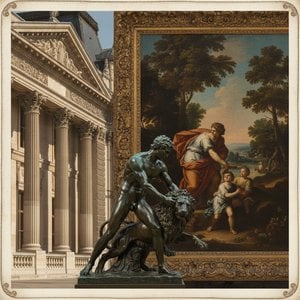
Explore the profound elegance of Baroque Classicism. Discover how 17th-century masters synthesized dramatic emotion with classical order through the lens of the Counter-Reformation and the works of legends like Carlo Maratta and Andrea Sacchi.
バロック美術の華!カラヴァッジョ、ベルニーニら巨匠が創り上げた10大名作を徹底解剖。ドラマチックな色彩と豪華絢爛の世界観に触れ、至宝のアートプリントで空間を彩ろう。WahooArt.comで美術館品質の複製と洗練されたインテリアを見つけましょう!

Explore the dramatic world of Baroque art! Discover iconic masters like Caravaggio & Rembrandt, their techniques, and the movement's lasting impact. Expert insights for collectors & enthusiasts at WahooArt.


 プレビュー
プレビュー
 シェアする
シェアする シェアする
シェアする
 詳細を見る
詳細を見る

 ダウンロード
 似ている作品
 X線調査
X線調査 スライドショー
 統計情報
統計情報


 詳細を見る
詳細を見る









 ガラスオプションは、110cm未満のサイズでのみご利用いただけます。


