
 Abstract Art
 1927Modern
 14.0 x 13.0 cm
 バウハウス デッサウ フンドウション
当社のアーティストが、お客様のご希望のサイズと額縁に合わせて、キャンバスに手描きで制作する油彩画です。 ( プリント版に切り替え デジタル画像販売へ切り替え)





























作品のオリジナル比率に合わせた、当店の規定サイズからお選びください。

特定のフレームやスペースに合わせて、ご希望のサイズをご入力いただけます。選択されたサイズが元の画像の比率と異なる場合、アートワークをトリミングするか、手描きで要素を追加して絵画を拡張いたします。デジタルモックアップ を制作し、制作開始前にご確認(承認)をいただきます。
画面上のプレビューは、実際のトリミングや拡張を正確に反映しているものではありません。最終的な構図は、モックアップによってのみ正確にご確認いただけます。
カスタムサイズもご利用いただけますが、元の比率を維持するためには、あらかじめ用意されたリストからサイズを選択することをお勧めいたします。

(Design exercise, from Paul Klee
複製画のサイズ
In the quiet intersection of legal precision and avant-garde experimentation lies a captivating piece of history titled (Design exercise, from Paul Klee). Created in 1927 by Hugo Lafayette Black, this work serves as a profound testament to the unexpected creative impulses that can exist within a mind otherwise dedicated to the rigors of law and jurisprudence. While history remembers Black as a formidable figure of the American Supreme Court, this specific composition reveals a different facet of his soul—one deeply attuned to the rhythmic, geometric language of the early 20th-century modernists. The piece is not merely an arrangement of shapes; it is a deliberate exploration of balance, structure, and the visual tension between order and abstraction.
The artwork presents a meticulously structured square composition that draws the eye into a labyrinth of form. Through a sophisticated interplay of shapes—ranging from sharp angles to soft intersections—the artist engages in a silent dialogue with the spirit of Paul Klee. The technique, though captured here in a striking black and white photographic medium, suggests a rich, hidden palette of yellows, grays, and deep blacks that dance across the surface. This monochromatic lens emphasizes the structural integrity of the piece, highlighting how each element supports its neighbor to create a cohesive, architectural whole. For the discerning collector, this work offers a masterclass in how simplicity can achieve profound complexity.
Beyond its formal qualities, the painting carries an evocative emotional weight that resonates with the era of its creation. The year 1927 was a period of immense cultural shifting, where the boundaries of traditional representation were being dismantled by the rise of abstraction. In this design exercise, we feel the pulse of that movement—the desire to strip away the superficial and find truth in the fundamental building blocks of vision. There is a sense of meditative focus within the borders, an invitation for the viewer to lose themselves in the rhythmic patterns and find peace in the mathematical harmony of the composition.
For interior designers and lovers of fine art, this reproduction offers a sophisticated focal point that transcends mere decoration. Its geometric rigor makes it an ideal centerpiece for modern, minimalist, or mid-century contemporary spaces, where it can act as a bridge between historical gravity and avant-garde lightness. To hang this piece is to invite a conversation about the duality of human nature—the capacity for both structured logic and boundless, abstract imagination. It remains a timeless treasure, perfect for those seeking to infuse their surroundings with intellectual depth and an enduring sense of artistic wonder.

To contemplate the life of Hugo Lafayette Black is to navigate a complex intersection of American jurisprudence and a singular, abstract creative impulse. While history primarily remembers him as a formidable figure within the halls of the United States Supreme Court, there exists a fascinating, often overlooked dimension to his persona: a profound engagement with the visual language of abstraction. Born in 1886 in the rugged landscape of Kentucky and raised in Alabama, Black’s early life was defined by the rigorous intellectual discipline required for a career in law. Yet, beneath the stoic exterior of the Senator and the Jurist, there resided an eye attuned to the rhythmic complexities of form and color, much like the masters of the European avant-garde.
His professional ascent was nothing short of meteoric. From his early legal practice in Birmingham to his tenure as a U.S. Senator from Alabama, Black became a central pillar of the New Deal era. His judicial philosophy was famously characterized by an absolutist devotion to the First Amendment, a stance that echoed the uncompromising nature of certain abstract art movements. He believed in the sanctity of the text and the unyielding protection of liberty, often stating that "no law" meant truly no law at all. This same precision and structural integrity can be seen reflected in his artistic explorations, where he engaged in what he termed design exercises—works that sought to distill complex ideas into fundamental geometric truths.
The artistic output of Hugo Black is most strikingly characterized by its dialogue with the principles of Paul Klee. Much like Klee, who viewed drawing as a way of making visible the invisible forces of nature, Black utilized abstract compositions to explore balance, tension, and spatial relationships. His work does not seek to replicate the physical world but rather to construct a new reality through deliberate arrangement. These pieces serve as a visual manifestation of his legal mind: structured, intentional, and deeply concerned with the underlying architecture of meaning.
In examining his creative development, one observes several key elements that define his aesthetic contribution:
The legacy of Hugo Lafayette Black remains a subject of intense historical debate, particularly regarding his controversial roles in landmark cases such as Korematsu v. United States. However, when viewed through the lens of an art historian, his life presents a unique study in duality. He was a man who operated within the most rigid structures of American power while simultaneously seeking liberation through the fluid, unbounded realms of abstract design. His ability to maintain a rigorous legal intellect while nurturing a sensitive artistic temperament offers a rare glimpse into the multifaceted nature of 20th-century intellectual life.
Ultimately, Black’s significance transcends the courtroom. He stands as a testament to the idea that the analytical and the creative are not opposing forces, but rather two sides of the same human endeavor to understand and organize the world. Whether through a landmark judicial opinion or a meticulously balanced abstract composition, his work remains an enduring exploration of the boundaries of freedom, structure, and the human spirit.

1886 - 1971 , United States of America

Discover the breathtaking allure of Art Deco. Explore the era's iconic geometry, legendary designers like Erté, and timeless glamour. Perfect for discerning collectors seeking to infuse their spaces with sophisticated modernist elegance and historical prestige.

Discover the unparalleled elegance of Art Deco through the lens of Erté. Explore a masterclass in linear precision, theatrical costume design, and high-fashion illustration that continues to define modern luxury and sophisticated interior aesthetics.
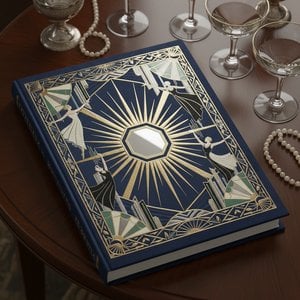
Discover the allure of Art Deco through a curated guide to its most iconic masterpieces. Explore the elegance of Erté and the innovation of Jean Dunand, perfect for collectors seeking timeless glamour and sophisticated design inspiration.

Discover the allure of Art Deco style with our expert guide to luxury interiors. Explore iconic influences from Erté to Jean Dunand and learn to curate a sophisticated space filled with timeless glamour and geometric elegance.


 プレビュー
プレビュー
 シェアする
シェアする シェアする
シェアする
 詳細を見る
詳細を見る ガイド
ガイド

 ダウンロード
 似ている作品
 X線調査
X線調査 スライドショー
 統計情報
統計情報 詳細を見る
詳細を見る









 ガラスオプションは、110cm未満のサイズでのみご利用いただけます。


