
 Oil On CanvasWallArtNeoclassicism
 Early Modern
 24.0 x 33.0 cm
 アルテ・ピナコテーク
当社のアーティストが、お客様のご希望のサイズと額縁に合わせて、キャンバスに手描きで制作する油彩画です。 ( プリント版に切り替え デジタル画像販売へ切り替え)





























作品のオリジナル比率に合わせた、当店の規定サイズからお選びください。

特定のフレームやスペースに合わせて、ご希望のサイズをご入力いただけます。選択されたサイズが元の画像の比率と異なる場合、アートワークをトリミングするか、手描きで要素を追加して絵画を拡張いたします。デジタルモックアップ を制作し、制作開始前にご確認(承認)をいただきます。
画面上のプレビューは、実際のトリミングや拡張を正確に反映しているものではありません。最終的な構図は、モックアップによってのみ正確にご確認いただけます。
カスタムサイズもご利用いただけますが、元の比率を維持するためには、あらかじめ用意されたリストからサイズを選択することをお勧めいたします。

Washerwomen below a Bridge
複製画のサイズ
In the evocative masterpiece “Washerwomen below a Bridge,” Hubert Robert invites us into a world where the grandeur of the past seamlessly intertwines with the humble rhythms of daily life. As an emblem of Romantic antiquarianism, Robert does not merely document a landscape; he reconstructs a lost era through a lens of profound nostalgia and imaginative splendor. The scene transports the viewer to an idealized Roman setting, where a monumental arched bridge dominates the composition, its weathered stone surfaces speaking of centuries of endurance. Beneath this architectural titan, women are engaged in the rhythmic, domestic chore of washing clothes, creating a poignant juxtaposition between the eternal, unmoving weight of classical ruins and the fleeting, transient nature of human activity.
The painting is a masterclass in the Baroque and Neoclassical traditions, utilizing atmospheric perspective to pull the eye deep into the heart of the Roman landscape. Robert employs a technique reminiscent of Claude Lorrain, layering oil pigments on canvas to achieve a rich, tactile surface that captures the subtle nuances of foliage and the rugged texture of ancient masonry. The color palette is a sophisticated arrangement of earthy tones—deep browns, warm ochres, and muted greens—which reinforces a solemn, timeless mood. This subdued chromatic range allows the soft, diffused light of an overcast sky to bathe the scene, lending a dreamlike quality to the riverbank and the distant, hazy horizons.
Beyond its technical brilliance, the artwork serves as a profound meditation on connection and transition. The bridge, acting as the central structural element, functions symbolically as a link between different eras and states of being—connecting the viewer to the classical world and bridging the gap between the monumental and the mundane. The figures scattered throughout the landscape, from those lounging by the river to those observing from elevated platforms, infuse the scene with a sense of quiet vitality. Their presence suggests that even amidst the decay of great empires, the pulse of human interaction and the continuity of life remain unbroken.
For the discerning collector or interior designer, this piece offers more than mere decoration; it provides an emotional anchor for a space. The painting’s ability to evoke a sense of tranquility, historical depth, and contemplative wonder makes it an extraordinary addition to any curated collection. Whether placed in a grand library or a contemporary living space, the "Washerwomen below a Bridge" acts as a window into a romanticized history, offering a sophisticated aesthetic that celebrates the enduring beauty of both human endeavor and architectural legacy.

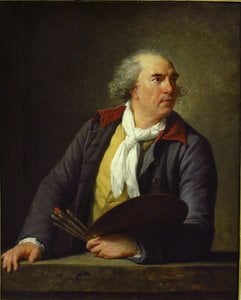
1733 - 1808 , フランス

ロマン派絵画の時代を彩る10選。巨匠たちの風景が織りなす感動の世界へ。ターナー、ルーベンスなど、名作の裏話と高精細複製でアートをお部屋に。WahooArt.comで至福のアート体験を。

Explore the breathtaking drama of Baroque landscapes. From Rubens's grand vistas to the mastery of chiaroscuro, discover how 17th-century artists transformed nature into a theatrical stage of emotion and light. A deep dive for true art enthusiasts.

Explore the captivating world of Hubert Robert, master of Romantic landscape painting & 'capriccio' ruins. Discover his historical context, artistic innovations, and collecting insights with WahooArt.

Master the art of drama with our ultimate guide to Baroque landscapes. Discover the power of chiaroscuro, explore legendary masters, and learn how to curate epic, dark-vibe masterpieces for your collection with expert insights from WahooArt.
Explore the life & art of Simon Vouet, a pivotal French Baroque painter who introduced Italian styles to France. Discover his masterpieces and lasting influence on 17th-century art.


 プレビュー
プレビュー
 シェアする
シェアする シェアする
シェアする
 詳細を見る
詳細を見る ガイド
ガイド

 ダウンロード
 似ている作品
 X線調査
X線調査 スライドショー
 統計情報
統計情報 詳細を見る
詳細を見る









 ガラスオプションは、110cm未満のサイズでのみご利用いただけます。


