

 Oil On CanvasWallArtRomantic Antiquarianism
 1777
1777 175.0 x 123.0 cm
 メトロポリタン美術館
オンラインプレビューをはるかに凌ぐ、高解像度で鮮明なデジタル画像をご購入いただけます。
各ファイルは、社内の専門家が高度なツールと熟練した手作業によるレタッチを駆使し、細心の注意を払って仕上げています。すべての画像において、卓越した鮮明度、正確な色彩再現性、そして繊細なディテールをお約束いたします。
最終ファイルは、プロフェッショナルな編集・印刷環境ですぐにご利用いただけるよう最適化された状態で、72時間以内にメールにてお届けいたします。これは、一流のデザインスタジオ、出版社、ギャラリーから信頼されているものと同等の品質です。
個人での鑑賞、印刷、クリエイティブなプロジェクトにご利用いただける高解像度ファイルをダウンロードできます。 ( プリント版に切り替え 手描きの複製画を注文する)
WahooArt.com を選ぶことは、単に画像を手に入れることではありません。プロの手によって精密に仕上げられ、満足保証が付いた高品質なデジタルアートワークを受け取ることを意味します。ご注文いただいた際に自動的に付随する内容は、以下の通りです:
ご注文から72時間以内に、高解像度のデジタル画像ファイルをメールでお送りいたします。お手元に届き次第、すぐにご利用いただけます。
お客様の作品は、高度なAI技術と専門家による手作業を組み合わせてプロフェッショナルに最適化されており、細部のディテール、鮮明さ、そして正確な色再現性を最大限に引き出しています。
ファイルを誤って削除したり、紛失してしまったりしましたか?ご安心ください。いつでも無料で再送いたします。
関税や手数料、配送料を気にすることなく、お気に入りのアートワークをすぐにお楽しみいただけます。デジタルダウンロードは常に免税です。
プロ仕様のツールとカラーマネジメント技術を用いることで、デジタル画像が元の色を最大限に忠実に再現することを保証いたします。
ご購入いただいたデジタル画像にご満足いただけない場合は、100日以内であれば、理由を問わず修正または100%の返金対応をさせていただきます。
ご満足いただけない場合は、デジタルファイルを受け取ってから100日以内であれば、理由を問わず全額返金いたします。
3枚購入で10%OFF、5枚購入で15%OFF、10枚以上のご購入で20%OFF。クリエイティブなプロジェクトやギャラリー、エージェンシーに最適です。
Hubert Robert's "Wandering Minstrels," painted in 1777, is more than just a picturesque landscape; it’s a meticulously constructed illusion, a fleeting moment captured with the artist’s signature blend of observation and romantic fancy. Commissioned by the Comte d’Artois as part of his extravagant pleasure pavilion at Bagatelle – a project undertaken with astonishing speed – the painting embodies the Rococo spirit of playful extravagance and the burgeoning fascination with ruins that would define much of the late 18th century. Robert, deeply influenced by his years spent in Italy, masterfully synthesizes elements of Roman architecture and sculpture with a distinctly French sensibility, creating a scene brimming with theatricality and an almost palpable sense of nostalgia.
The composition immediately draws the eye to the central obelisk, flanked by two elegant statues – likely representations of goddesses or allegorical figures. These monumental forms anchor the scene, providing a dramatic backdrop for the lively gathering below. The figures themselves are rendered with a remarkable degree of detail and movement; musicians strumming instruments, dancers twirling, and individuals engaged in various social interactions populate the foreground. Robert’s skill lies not just in depicting these figures accurately but also in conveying their energy and the overall atmosphere of merriment. Notice how he uses light to sculpt the forms, creating a sense of depth and volume that brings the scene vividly to life.
Robert’s technique is characterized by a loose, almost improvisational brushstroke – a hallmark of his “capriccio” style. He wasn't striving for photographic realism; instead, he prioritized capturing the *feeling* of a place, imbuing it with atmosphere and emotion. The use of color is particularly noteworthy: muted tones dominate, creating a hazy, dreamlike quality that reinforces the painting’s sense of timelessness. He expertly employs atmospheric perspective – objects in the distance appear paler and less distinct – to further enhance the illusion of depth and space. This technique, combined with his masterful handling of light and shadow, is what truly elevates “Wandering Minstrels” beyond a simple landscape depiction.
The painting’s genesis within the Bagatelle project offers crucial context. Robert was tasked with creating a series of six paintings for the pleasure pavilion's bathing room, all centered around the theme of water. This constraint – and the incredibly tight deadline – undoubtedly influenced his approach, leading him to draw upon diverse sources and synthesize them into a cohesive whole. The obelisk itself, for instance, likely derives from Roman architectural models studied by Robert during his time in Italy, while other elements are subtly adapted from French decorative motifs.
“Wandering Minstrels” is deeply rooted in the intellectual currents of the late 18th century. The fascination with ruins – a trend popularized by antiquarians like Johann Joachim Winckelmann – reflected a broader cultural preoccupation with the past, particularly the glories of antiquity. Robert’s incorporation of Roman architectural elements speaks to this interest, but he doesn't simply replicate classical forms; rather, he reimagines them within a distinctly French context. The figures themselves can be interpreted as symbols of leisure and social interaction, reflecting the aristocratic lifestyle enjoyed by the Comte d’Artois and his court.
The painting also subtly alludes to the changing role of art in society. During this period, artists were increasingly expected to create works that not only depicted reality but also evoked emotion and imagination. Robert's “capriccio” style – a genre characterized by fantastical landscapes and idealized scenes – perfectly embodies this shift. The scene is not meant to be a literal representation of a specific place or event; it’s an invented world, designed to transport the viewer to a realm of beauty and delight.
“Wandering Minstrels” stands as a testament to Hubert Robert's unique artistic vision. It is a captivating blend of observation, imagination, and technical skill – a painting that continues to enchant viewers with its evocative atmosphere and timeless appeal. Reproductions of this work offer an exceptional opportunity to bring this exquisite scene into your home, allowing you to experience the beauty and artistry of one of France’s most celebrated landscape painters. The intricate details and masterful use of light and color are particularly striking when reproduced on high-quality canvas or aluminum, capturing the essence of Robert's original vision with remarkable fidelity.
カタログ内では、ユベール・ロベール作「Wandering Minstrels」はWallArtとして分類されています。このカテゴリーを活用することで、類似の作品を探すことができます。
ユベール・ロベール作「Wandering Minstrels」 におすすめの組み合わせ:Hotel Lobby に飾る Large サイズのプリント。
スライドショーをご覧いただけます:ユベール・ロベール作「Wandering Minstrels」のスライドショーページ。

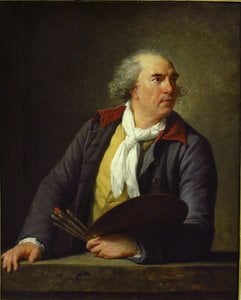
1733 - 1808 , フランス

 設置イメージを確認
 送る
送る シェア
シェア
 詳細情報
詳細情報 ガイドを表示

 画像をダウンロード
 似ている作品
 X線調査
X線調査 スライドショー
 統計情報
統計情報 続きを読む
続きを読む


