

スピーディーな制作と多彩な仕上げオプションが魅力の、ミュージアムクオリティなジークレー・キャンバスプリント。 ( 手描きの複製画を注文する デジタル画像販売へ切り替え)





























作品のオリジナル比率に合わせた、当店の規定サイズからお選びください。

額縁や壁のスペースに合わせて、ご希望の幅と高さを入力してください。プリントはカットすることは可能ですが、元の画像より大きくすることはできないため、異なる比率のサイズを選択された場合は、画像の一部が欠けることになります。印刷を開始する前に、内容を確認していただくためのデジタルモックアップをお送りいたします。このページに表示されている画像は、実際のカット後の状態を示すものではありません。実際の仕上がりはモックアップにてご確認ください。
Roman Capriccio
複製画サイズ一覧
In the twilight of the eighteenth century, as the echoes of the French Revolution began to settle into the broader European consciousness, Hubert Robert captured a vision of Rome that transcends mere architectural documentation. His 1798 masterpiece, Roman Capriccio, is not simply a landscape; it is an evocative journey into the heart of memory and the sublime. Through his masterful use of the capriccio technique—a style defined by architectural fantasy rather than topographical accuracy—Robert invites the viewer to wander through a dreamscape where the boundaries between reality and imagination dissolve. The canvas presents a breathtaking panorama of crumbling columns, weathered arches, and majestic statues, all bathed in a hazy, golden light that suggests the warmth of a setting sun over an empire long passed.
The composition is a delicate dance of light and shadow, where Robert employs layered planes of color to create an illusionistic depth that draws the eye deep into the Roman ruins. This atmospheric approach allows the monumental structures to appear both physically imposing and ethereally transient. Amidst the skeletal remains of classical greatness, small figures—the staffage—are scattered throughout the scene. These individuals, engaged in quiet contemplation or casual interaction around the ancient sculptures, provide a vital sense of scale and human connection. Their presence transforms the ruins from cold, dead stone into a living stage, where the grandeur of the past meets the fleeting pulse of the present.
Beyond its visual splendor, Roman Capriccio serves as a profound meditation on the relentless march of time. To look upon these decaying structures is to witness the inevitable triumph of nature over human ambition. Robert utilizes the crumbling masonry as a powerful symbol of the ephemeral nature of power and the futility of even the most monumental architectural achievements. Yet, there is no sense of pure tragedy in this decay; instead, the artist weaves in elements of regeneration. The subtle emergence of vibrant blossoms amidst the rubble acts as a poignant counterpoint to the stone, suggesting that from the wreckage of old worlds, new beauty and hope can inevitably bloom.
For the discerning collector or interior designer, this painting offers more than just aesthetic appeal; it provides an emotional anchor for a space. The work possesses a unique ability to evoke nostalgia and a sense of wonder, making it an ideal centerpiece for rooms designed for reflection and intellectual engagement. Whether placed in a grand library or a contemporary living space, the Roman Capriccio brings with it a storied atmosphere of classical elegance and Romantic mystery. It is a piece that does not merely decorate a wall but tells a story of endurance, transformation, and the eternal beauty found within the ruins of history.
ユベール・ロベール作「Roman Capriccio」の色彩表現:Black (#1c150b)を基調とした、Earthyなパレット。
ユベール・ロベール作「Roman Capriccio」の色彩構成は、GentleなコントラストとUnified Paletteな調和を併せ持っています。
ユベール・ロベール作「Roman Capriccio」が醸し出すRomanticな雰囲気は、おすすめの空間であるLiving Roomにぴったりです。

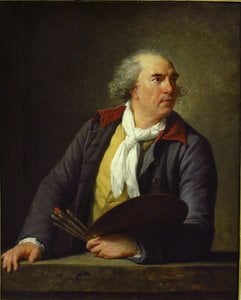
1733 - 1808 , フランス

Explore the profound emotional depth of Romantic landscape painting. Discover how masters captured the sublime through light, shadow, and untamed nature, and learn to bring this timeless, atmospheric beauty into your collection with museum-quality fine art reproductions.

Explore the profound emotional power of Romantic landscape art. Discover how masters like Friedrich captured the sublime through breathtaking nature, and learn to curate these evocative masterpieces for your luxury interior collection.

 設置イメージを確認
 送る
送る シェア
シェア
 詳細情報
詳細情報 ガイドを表示

 画像をダウンロード
 似ている作品
 X線調査
X線調査 スライドショー
 統計情報
統計情報


 続きを読む
続きを読む









 ガラスオプションは、110cm未満のサイズでのみご利用いただけます。


