Acrylic On CanvasWallArtRomanticism
 1790
1790 24.0 x 32.0 cm
 エルミタージュ美術館
スピーディーな制作と多彩な仕上げオプションが魅力の、ミュージアムクオリティなジークレー・キャンバスプリント。 ( 手描きの複製画を注文する デジタル画像販売へ切り替え)





























作品のオリジナル比率に合わせた、当店の規定サイズからお選びください。

特定のフレームやスペースに合わせて、ご自身でサイズを指定することも可能です。選択されたサイズが元の画像の比率と一致しない場合、作品をトリミングするか、鏡面反射または単色での塗りつぶしによって画像を拡張いたします。制作を開始する前に、ご確認用のデジタルモックアップをお送りいたします。
画面上のプレビューには、実際のトリミングや拡張は反映されませんのでご注意ください。最終的な構図を正確に確認できるのは、モックアップのみとなります。
カスタムサイズも承っておりますが、元の比率を維持するためには、あらかじめ用意されたリストからサイズを選択することをお勧めいたします。

Painters
複製画サイズ一覧
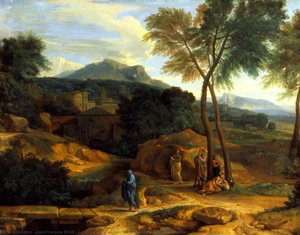
Hubert Robert's "Painters," painted in 1790, isn’t merely a depiction of laborers at work; it’s a carefully constructed meditation on labor, time, and the enduring power of memory. The scene unfolds within a rugged, almost theatrical landscape – a dramatic vista dominated by a towering rock formation, its weathered surface hinting at centuries of exposure to the elements. Two figures, rendered with a subtle realism that belies Robert's penchant for romanticized ruins, are engaged in the arduous task of carving stone. One, positioned atop the rock, directs the work with a commanding presence, while the other, lower down, meticulously shapes the material beneath him. The composition isn’t about capturing a specific moment; it’s about evoking a feeling – a sense of timelessness and the relentless passage of time, beautifully intertwined with the human effort to impose order upon nature.
Robert's style is distinctly rooted in the Neoclassical tradition, yet infused with the burgeoning Romantic sensibility that was beginning to challenge its rigid formality. He masterfully employs atmospheric perspective – the subtle blurring and darkening of distant elements – to create a profound sense of depth and space. The light, diffused and golden, washes over the scene, casting long shadows and highlighting the textures of the rock and the figures’ clothing. Notice how Robert utilizes loose brushstrokes, particularly in the depiction of the landscape, creating an impressionistic effect that anticipates later developments in art history. This deliberate softness contrasts with the sharper detail given to the men themselves, suggesting a focus on their individual struggles within the grand scheme of nature.
To fully appreciate “Painters,” it’s crucial to understand Robert's artistic interests – particularly his fascination with ruins. Following the upheavals of the French Revolution, a renewed interest in antiquity and the past emerged, fueled by archaeological discoveries and a desire to reconnect with a perceived lost sense of order and stability. Robert, like many artists of his time, found inspiration in the decaying grandeur of Roman temples and medieval castles, transforming these remnants into evocative landscapes – ‘capriccios’ as he called them. These weren't simply artistic exercises; they were explorations of memory, loss, and the cyclical nature of history. The very act of painting ruins became a way to preserve a fading past, imbuing it with new life and meaning.
The figures depicted in “Painters” represent a specific segment of 18th-century French society – laborers engaged in essential but often overlooked work. Robert’s choice to portray them within such a dramatic landscape elevates their status, suggesting that even the most humble tasks are worthy of artistic attention. The scene subtly critiques the social hierarchies of the time, presenting these men not as mere workers, but as active participants in shaping the world around them. The rock formation itself can be interpreted as a symbol of enduring strength and resilience – a testament to the power of human labor against the forces of nature.
Beyond its straightforward depiction of work, “Painters” is rich in symbolic meaning. The towering rock formation, with its weathered surface, represents the weight of history and the passage of time. The figures’ focused expressions convey a sense of dedication and perseverance, but also hint at the physical strain of their labor. Robert's use of color – predominantly earthy tones punctuated by flashes of gold – evokes feelings of warmth, nostalgia, and perhaps even melancholy. The overall effect is one of quiet contemplation, inviting the viewer to reflect on the relationship between humanity and nature, work and memory.
The inclusion of animals—a horse and a dog—adds another layer of complexity to the scene. Animals have long been associated with labor and service in art, symbolizing loyalty, strength, and connection to the natural world. Their presence reinforces the theme of human interaction with the environment, suggesting a harmonious coexistence – albeit one marked by hard work and enduring effort. “Painters” is not simply a landscape; it’s a carefully orchestrated tableau that speaks volumes about the values and anxieties of its time.
Reproductions of Hubert Robert's “Painters” offer a remarkable opportunity to bring this evocative artwork into your home or office. The meticulous detail captured by Robert’s brushstrokes, combined with his masterful use of light and shadow, translates beautifully to high-quality reproductions. When selecting a reproduction, pay close attention to the texture and color accuracy – features that are crucial for capturing the painting's atmospheric depth and emotional resonance. WahooArt offers meticulously crafted hand-painted reproductions that faithfully recreate Robert’s original vision, ensuring that you experience the full impact of this timeless masterpiece.
「Painters」は、WallArtの作品です。
ユベール・ロベール作「Painters」の制作年は1790年です。
「Painters」の色彩の調和は、Strong Color Unityと表現されます。
ユベール・ロベール作「Painters」において、Romanticismの潮流と近世美術の時代が融合しています。
「Painters」はユベール・ロベールの作品とされています。
「Painters」は、1790年にAcrylic On Canvasで制作されました。
1790年に「Painters」が制作された際、1733年生まれのユベール・ロベールは57歳でした。

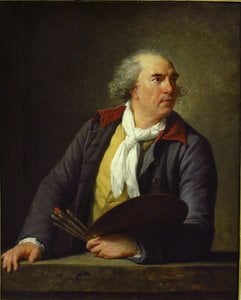
1733 - 1808 , フランス

Explore the profound emotional depth of Romantic landscape painting. Discover how masters captured the sublime through light, shadow, and untamed nature, and learn to bring this timeless, atmospheric beauty into your collection with museum-quality fine art reproductions.

 設置イメージを確認
 送る
送る シェア
シェア
 詳細情報
詳細情報 ガイドを表示

 画像をダウンロード
 似ている作品
 X線調査
X線調査 スライドショー
 統計情報
統計情報 続きを読む
続きを読む









 ガラスオプションは、110cm未満のサイズでのみご利用いただけます。