
 Acrylic On CanvasWallArtRomanticism
 1790
1790 40.0 x 30.0 cm
 エルミタージュ美術館
オンラインプレビューをはるかに凌ぐ、高解像度で鮮明なデジタル画像をご購入いただけます。
各ファイルは、社内の専門家が高度なツールと熟練した手作業によるレタッチを用いて、細心の注意を払って準備されています。すべての画像において、卓越した鮮明度、正確な色彩再現性、そして繊細なディテールを保証いたします。
最終ファイルは、プロフェッショナルな編集・印刷環境ですぐにご利用いただけるよう最適化された状態で、72時間以内にメールにてお届けいたします。これは、一流のデザインスタジオ、出版社、ギャラリーから信頼されているものと同等の品質です。
個人での鑑賞、印刷、クリエイティブなプロジェクト用に、高解像度ファイルをダウンロードできます。 ( プリント版に切り替え 手描きの絵画を購入)
WahooArt.com を選ぶことは、単に画像を手に入れることではありません。それは、プロの手によって精密に仕上げられ、満足保証が付いた高品質なデジタルアートワークを受け取ることを意味します。ご注文いただいた際に自動的に付随する内容は、以下の通りです:

ご注文から72時間以内に、高解像度のデジタル画像ファイルがメールでお手元に届きます。すぐにそのままご利用いただけます。

お客様の作品は、高度なAIツールと専門家による手作業の編集を組み合わせてプロフェッショナルに最適化されており、細部のディテール、鮮明さ、そして正確な色再現性を最大限に引き出しています。

ファイルを誤って削除したり、紛失してしまったりしましたか?ご安心ください。いつでも無料で再送いたします。

関税や手数料、配送料を気にすることなく、お気に入りのアートワークをすぐにお楽しみいただけます。デジタルダウンロードは常に免税です。

プロ仕様のツールとカラーマネジメント技術を用いることで、デジタル画像が元の色を最大限に忠実に再現することを保証いたします。

ご購入いただいたデジタル画像にご満足いただけない場合は、100日以内であれば、理由を問わず修正または100%の返金対応をさせていただきます。

ご満足いただけない場合は、デジタルファイルを受け取ってから100日以内であれば、理由を問わず全額返金いたします。

3枚購入で10%OFF - 5枚購入で15%OFF - 10枚以上購入で20%OFF。クリエイティブなプロジェクト、ギャラリー、エージェンシーに最適です。
Hubert Robert's "Inhabited Ruins," painted in 1790, is more than just a picturesque landscape; it’s a poignant meditation on time, memory, and the enduring allure of vanished grandeur. Executed during a period of profound social and political upheaval in France – the twilight years of the Ancien Régime and the dawn of the Revolution – Robert's work captures a melancholic beauty, reflecting both the decay of ancient structures and the wistful longing for a lost past. The painting depicts a crumbling Roman ruin, partially overgrown with vegetation, yet teeming with life: figures wander amongst the fallen columns and weathered arches, suggesting an ongoing human connection to these remnants of antiquity.
Hubert Robert (1733-1808) was a pivotal figure in 18th-century French art, renowned for his mastery of the “capriccio,” a genre that blended realistic landscape with fantastical elements and imaginative narratives. Unlike traditional topographical paintings focused on accurate representation, Robert’s capricci prioritized atmosphere, mood, and the evocative power of suggestion. He wasn't merely documenting ruins; he was crafting visions—a skill honed during his extensive travels through Italy, where he became deeply fascinated by the remnants of Roman civilization. His early training with sculptor Michel-Ange Slodtz instilled in him a strong foundation in perspective and design, while his time in Rome under Giovanni Paolo Panini further refined his understanding of architectural detail and atmospheric effects.
"Inhabited Ruins" exemplifies Robert’s signature style—a masterful blend of observation and imagination. The painting is rendered with a delicate, almost ethereal quality, achieved through the use of soft brushstrokes and subtle gradations of light and shadow. Robert expertly employs atmospheric perspective, creating a sense of depth and distance by diminishing the clarity and intensity of colors in the background. Notice how he uses dappled sunlight filtering through the foliage to illuminate key elements within the ruin, drawing the viewer’s eye towards the figures and highlighting the textures of the crumbling stone. The composition is carefully balanced, with the ruins acting as a central focal point while the surrounding landscape provides a sense of scale and context. The inclusion of human figures—a small group gathered near an archway—adds a vital element of narrative and invites the viewer to contemplate their relationship to this ancient space.
Beyond its aesthetic beauty, “Inhabited Ruins” is rich in symbolic meaning. The ruins themselves represent the transience of power, the inevitable decay of all things, and the cyclical nature of history. The figures within the scene are not simply observers; they embody humanity’s enduring fascination with the past and our attempts to find meaning and connection amidst the ruins of bygone eras. Robert's choice of a Roman setting—a civilization renowned for its architectural achievements and philosophical legacy—underscores this theme, suggesting that even in decline, these remnants hold profound significance. The painting evokes a sense of melancholy and nostalgia, prompting viewers to reflect on their own mortality and the fleeting nature of human existence. It’s a powerful reminder that beauty can be found not only in pristine monuments but also in the weathered stones of forgotten places.
Hubert Robert's work profoundly influenced subsequent generations of artists, particularly those associated with the Romantic movement. His emphasis on atmosphere, emotion, and the sublime—the awe-inspiring power of nature—laid the groundwork for later painters like Caspar David Friedrich and J.M.W. Turner. “Inhabited Ruins” stands as a testament to Robert’s artistic genius and his ability to capture the enduring spirit of a bygone era, inviting us to contemplate the beauty and melancholy inherent in the passage of time.

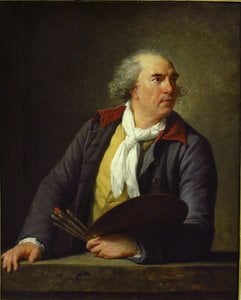
1733 - 1808 , フランス


 プレビュー
プレビュー
 シェアする
シェアする シェアする
シェアする
 詳細を見る
詳細を見る ガイド
ガイド

 ダウンロード
 似ている作品
 X線調査
X線調査 スライドショー
 統計情報
統計情報 詳細を見る
詳細を見る


