ウェブ上のプレビューを遥かに凌駕する、印刷に最適なファイルをご提供します。当サイトで販売しているすべてのデジタル画像は、弊社のデータベース内にある高解像度のマスターデータ(通常、幅5,000〜15,000ピクセル)から作成されています。そのため、大判印刷や大胆なクロップ、細部まで緻密な再現も、安心してお楽しみいただけます。
当スタジオから送り出される画像は、すべて丁寧に加工されています。デジタルエキスパートが原画と照らし合わせて色調を精査し、必要に応じて補正を行った上で、プロ仕様のリタッチツールを用いて鮮明さと細部を向上させます。その際、アーティストの筆致やスタイルに忠実であることを常に追求しています。その結果、単なるスキャン画像にフィルターをかけたようなものではなく、まるで本物の絵画を見ているかのような仕上がりを実現しています。
仕上がりをご確認いただいてから完了となります。専門スタッフが、ご確認用の画像を72時間以内にメールでお送りいたします。もしご満足いただけない場合は、修正や改善のご要望を承るほか、品質が基準に満たない場合には返金も可能です。
出版社、デザインスタジオ、ギャラリー、そして印刷所から信頼される品質です。
個人での鑑賞、印刷、クリエイティブなプロジェクトにご利用いただける高解像度ファイルをダウンロードできます。 ( プリント版に切り替え 手描き複製画を注文する)
WahooArt.com を選ぶことは、単に画像を手に入れることではありません。プロの手によって精密に仕上げられ、満足保証が付いた高品質なデジタルアートワークを受け取ることを意味します。ご注文いただいた際に自動的に付随する内容は、以下の通りです:
ご注文から72時間以内に、高解像度のデジタル画像ファイルをメールでお送りいたします。お手元に届き次第、すぐにご利用いただけます。
お客様の作品は、高度なAI技術と専門家による手作業を組み合わせてプロフェッショナルに最適化されており、細部のディテール、鮮明さ、そして正確な色再現性を最大限に引き出しています。
ファイルを誤って削除したり、紛失してしまったりしましたか?ご安心ください。いつでも無料で再送いたします。
関税や手数料、配送料を気にすることなく、お気に入りのアートワークをすぐにお楽しみいただけます。デジタルダウンロードは常に免税です。
プロ仕様のツールとカラーマネジメント技術を用いることで、デジタル画像が元の色を最大限に忠実に再現することを保証いたします。
ご購入いただいたデジタル画像にご満足いただけない場合は、100日以内であれば、理由を問わず修正または100%の返金対応をさせていただきます。
ご満足いただけない場合は、デジタルファイルを受け取ってから100日以内であれば、理由を問わず全額返金いたします。
3枚購入で10%OFF、5枚購入で15%OFF、10枚以上のご購入で20%OFF。クリエイティブなプロジェクトやギャラリー、エージェンシーに最適です。
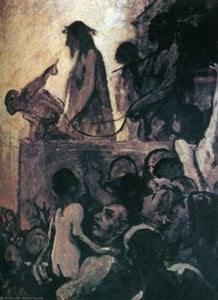
In the mid-19th century, as the world began to shift under the weight of industrialization and political upheaval, Honoré Daumier captured a moment of profound spiritual and social tension. His 1850 masterpiece, Ecce Homo, is far more than a mere biblical illustration; it is a visceral encounter with the essence of human suffering. The painting captures the harrowing instant when Pontius Pilate presents a battered Jesus Christ to a judgmental crowd, uttering the fateful words, "Behold the Man." Through his unflinching lens, Daumier strips away the gilded, idealized layers often found in religious iconography, replacing them with a stark, heavy realism that forces the viewer to confront the uncomfortable truth of injustice and the weight of collective condemnation.
The composition is a masterclass in psychological depth and dramatic tension. Daumier utilizes a technique deeply rooted in the tradition of chiaroscuro, a method he refined by studying the dramatic light and shadow of masters like Rubens. This interplay of light and dark does not merely illuminate the scene; it sculpts the very emotions of the figures. A luminous, almost ethereal glow surrounds the central figure of Christ, yet this light does not offer comfort—instead, it serves to highlight his isolation against a backdrop of grim, shadowed faces. The crowd is not a monolithic entity but a collection of individual gazes: some are filled with mockery, others with a haunting, silent observation, creating a sense that the viewer is standing right there in the dust and heat of the Roman trial.
Technically, Ecce Homo showcases Daumier’s extraordinary command over oil on canvas. His brushwork avoids the superficial prettiness of the era, opting instead for a textured, robust application that mirrors the grit of the subject matter. The palette is dominated by earthy, somber tones—deep browns, muted ochres, and heavy shadows—which ground the divine event in a tangible, earthly reality. This commitment to Realism allows the painting to transcend its historical period; it becomes a universal symbol of compassion amidst cruelty. For the collector or the lover of fine art, this piece offers a profound sense of gravity, making it an anchor for any sophisticated interior.
For those looking to integrate such a powerful work into a curated space, Ecce Homo serves as a magnificent focal point. Its ability to command attention through tonal complexity and emotional weight makes it ideal for galleries or study rooms where art is intended to provoke thought and conversation. A high-quality reproduction of this work preserves the subtle gradations of Daumier’s shadows and the raw, expressive lines of his draftsmanship, allowing the haunting beauty of this 19th-century triumph to breathe within a modern setting. It is an invitation to look closer, to feel the weight of history, and to find beauty in the most honest depictions of the human condition.
オノレ・ドーミエは、「Ecce Homo」においてOil On Canvasの技法を用いています。この技法が、原画の素材としての性質を決定づけています。
オノレ・ドーミエ作「Ecce Homo」は、その情緒においてDramaticと表現されます。この分類は、作品を空間やシーンに合わせる際の手助けとなります。
オノレ・ドーミエ作「Ecce Homo」は、Oil On Canvasの技法とContemporary Realismの様式を融合させた作品です。技法(テクニック)は制作手法を、様式(ムーブメント)はその作品のスタイルを表しています。


1808 - 1879 , フランス
 設置イメージを表示
 シェアする
シェアする シェアする
シェアする
 詳細を見る
詳細を見る ガイドを表示

 ダウンロード
 似ている作品
 X線調査
X線調査 スライドショーを表示
 Q&A
Q&A
 統計情報
統計情報


 詳細を表示
詳細を表示