
x


迅速な制作と多彩な仕上げオプションを備えた、ミュージアムクオリティのジークレーまたはキャンバスプリント。 ( 手描きの絵画を購入 画像を購入)





























作品のオリジナル比率に合わせた、当店の規定サイズからお選びください。

特定のフレームやスペースに合わせて、ご自身でサイズを指定することも可能です。選択されたサイズが元の画像の比率と一致しない場合、作品をトリミングするか、鏡面反射または単色での塗りつぶしによって画像を拡張いたします。制作を開始する前に、ご確認用のデジタルモックアップをお送りいたします。
画面上のプレビューには、実際のトリミングや拡張は反映されませんのでご注意ください。最終的な構図を正確に確認できるのは、モックアップのみとなります。
カスタムサイズも承っておりますが、元の比率を維持するためには、あらかじめ用意されたリストからサイズを選択することをお勧めいたします。

Landscape
複製画のサイズ
Homer Dodge Martin's "Landscape," painted circa 1865, isn’t merely a depiction of a vista; it’s an immersion into a specific mood—a quiet contemplation of the vastness and solitude of nature. Born in Albany, New York, in 1836, Martin navigated the shifting currents between the established realism of the Hudson River School and the burgeoning possibilities of Impressionism, forging a unique style characterized by a profound sensitivity to light, atmosphere, and the emotional resonance of the natural world. This particular work exemplifies his mastery of capturing fleeting impressions, prioritizing feeling over precise representation – a hallmark of his artistic journey.
The scene unfolds across rolling hills that recede into a hazy horizon, dominated by an overcast sky pregnant with suggestion rather than explicit detail. There’s no dramatic sun or sharp delineation of form; instead, Martin employs a masterful use of wet-on-wet watercolor techniques, allowing colors to bleed and mingle seamlessly. The brushstrokes are loose and expressive, creating a sense of movement and fluidity that mirrors the gentle undulations of the landscape itself. The foreground is particularly textured, utilizing dry brushwork to suggest the roughness of rocks and vegetation – tangible elements grounding the viewer in this imagined space.
Martin’s approach bears a clear kinship with the Barbizon school of French landscape painters, who sought to capture the essence of nature through direct observation and a focus on atmospheric effects. Like his contemporaries, he eschewed meticulous detail in favor of conveying the *feeling* of a place – its light, its air, its inherent stillness. The muted palette—dominated by browns, greens, grays, and subtle blues—contributes significantly to this effect. The colors aren’t vibrant or saturated; they are subdued and atmospheric, creating a sense of depth and distance through the application of *atmospheric perspective*. Distant elements appear paler and less distinct, reinforcing the illusion of vastness.
Furthermore, Martin's work reflects a growing interest in capturing the ephemeral qualities of light. The overcast sky casts a diffuse glow across the landscape, softening edges and lending an air of melancholy to the scene. The lack of strong highlights or shadows creates a sense of quiet contemplation, inviting the viewer to lose themselves in the atmosphere. It’s a deliberate choice that elevates the painting beyond a simple topographical representation, transforming it into a meditation on light, color, and the sublime beauty of nature.
“Landscape” isn't simply a pretty picture; it’s imbued with a subtle sense of symbolism. The solitary hills and distant horizon evoke feelings of solitude, introspection, and perhaps even a touch of melancholy. The vastness of the landscape can be interpreted as a metaphor for the power and indifference of nature – a reminder of humanity’s smallness in the face of the immense forces that shape our world. The painting's quietude speaks to a deeper longing for connection with something larger than oneself, a sentiment deeply resonant within the Romantic tradition.
Considered alongside Martin’s biography—a man who sought to bridge the gap between traditional and modern artistic approaches—this work becomes more than just a landscape; it's a testament to his artistic vision. It invites us to pause, breathe, and contemplate the beauty and mystery of the natural world, offering a moment of quiet reflection in an increasingly complex world.

1836 - 1897 , アメリカ合衆国

ウィンスロー・ホーマーの傑作25選。アメリカ美術を代表する画家、風景画から海洋画まで、その感動的な絵画の世界を探求。WahooArtで複製画やアートプリントを手に入れ、お部屋に名画の輝きを。コレクションはこちら: WahooArt.com

Journey through 10 legendary watercolor masterpieces by Sargent, Turner & Homer! Explore iconic landscapes, portraits & floral art that redefined history. Find museum-quality reproductions and curated decor ideas at WahooArt.com.

Explore 10 defining American Realism masterpieces – Hopper, Homer & more. Discover the stories behind these iconic paintings and bring timeless art to your home with WahooArt's museum-quality reproductions. Explore the full collection online.

Explore the captivating world of watercolor painting! Discover its rich history, essential techniques, influential artists & collecting tips. A comprehensive guide for art enthusiasts from WahooArt.
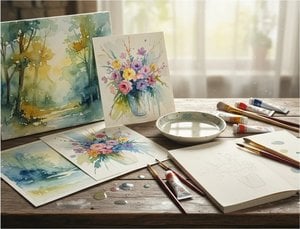
Explore the captivating world of watercolor painting! Discover its rich history, essential techniques, influential artists & collecting tips from art experts. A comprehensive guide for enthusiasts.


最新の美術ニュース、限定オファー、そしてインテリアのアイデアをいち早くお届けします。
お客様のプロジェクトについてお聞かせください。当社の美術専門家が、お客様に合わせた3つのパーソナライズされた芸術提案をご提供いたします。
あなたにぴったりの3作品を無料で厳選いたします


 プレビュー
プレビュー
 シェアする
シェアする シェアする
シェアする
 詳細を見る
詳細を見る

 ダウンロード
 似ている作品
 X線調査
X線調査 スライドショー


 詳細を見る
詳細を見る









 ガラスオプションは、110cm未満のサイズでのみご利用いただけます。


