

このページに掲載されている作品は著作権法によって保護されており、当社の許可なく同一の複製物を制作または販売することは法律で禁じられています。この保護は、以下のような国際条約に基づき執行されます。 ベルヌ条約 および、以下の条項に定められたものを含む各国の法律により、 米国著作権法 第17編。
この手法は、著作権で保護された作品の複製や複写を伴わないため、著作権法に完全に準拠しています。これは単なる模倣ではなく、創造的な再解釈です。元の作品からインスピレーションを受けつつも、それとは異なる、全く新しい絵画を生み出すものです。
スピーディーな制作と多彩な仕上げオプションが魅力の、ミュージアムクオリティなジークレー・キャンバスプリント。 ( 手描きの複製画を注文する デジタル画像販売へ切り替え)





























作品のオリジナル比率に合わせた、当店の規定サイズからお選びください。

額縁や壁のスペースに合わせて、ご希望の幅と高さを入力してください。プリントはカットすることは可能ですが、元の画像より大きくすることはできないため、異なる比率のサイズを選択された場合は、画像の一部が欠けることになります。印刷を開始する前に、内容を確認していただくためのデジタルモックアップをお送りいたします。このページに表示されている画像は、実際のカット後の状態を示すものではありません。実際の仕上がりはモックアップにてご確認ください。
Lizard Tail
複製画サイズ一覧

1976年、日本の四国に生まれたヒロミ・タンゴの芸術的な旅路は、伝統への敬意と人間体験への深い探求に根ざした、極めてパーソナルなものです。彼女の作品、主にテキスタイル・インスタレーションやパフォーマンス・アートは、単なる工芸の域を超えています。それは記憶、感情、そして触覚的な世界の間で行われる、没入型の対話なのです。豊かな文化的背景の中で育まれた幼少期から、現代を代表するアーティストとしての現在の活動に至るまで、タンゴの進化は、絶え間ない好奇心と、自らの脆弱性を受け入れようとする意志によって特徴づけられています。その性質は、彼女の心を揺さぶる創造物の中に力強く反映されています。
タンゴの形成期は、さまざまな影響が重なり合う中で形作られました。上質なオーガニックコットンと鮮やかな染色技術で知られる今治で育ったことは、タンゴ家の歴史とも深く結びついた、日本の職人技の緻密な芸術性と不朽の伝統に彼女を触れさせることとなりました。着物職人であった祖母や、ファッションデザインの背景を持つ母親の存在は、素材やパターン、そして一つひとつの作品に織り込まれた物語に対する深い敬意を彼女の中に植え付けました。この遺産は単に受け継がれたものではなく、現代的な視点を通じて能動的に関わり、再解釈されているのです。
東京の日本女子大学を卒業した後、タンゴは芸術的な発見の旅へと踏み出しました。当初はパフォーマンス・アートのための彫刻的要素としてテキスタイルを用いた作品制作を行いました。初期の作品は、大胆で時に強烈な色彩が特徴的でしたが、これは自身の作品に強烈な感情的共鳴を吹き込むための意図的な選択でした。彼女は、自分への贈り物や自ら手に入れたものなど、個人的な意味を持つテキスタイルを集め始め、それらを手紙や日記、その他の親密な品々と共に層状に重ねていきました。この収集と織り成しのプロセスは、単に物理的な物体を構築することではなく、記憶、経験、そして言葉にならない物語を収めるための「器」を作り出すことでもあったのです。
タンゴの芸術スタイルは、その独特な色彩と質感の使い方によって、一目でそれと分かります。彼女は、相反する色調や混沌とした配置を避けるどころか、むしろその不協和音を受け入れます。なぜなら、それが人間の感情の複雑さを映し出していると信じているからです。2014年の作品「Dust Storm(砂嵐)」は、このアプローチを象徴しており、鮮やかなパレットを用いることで、高揚感と不安感の両方を呼び起こします。糸、紐、羊毛、布を緻たりと巻き、織り合わせることで、エネルギーが脈動しているかのような密な網目を作り上げます。このレイヤリング(層を重ねる)技法は単なる装飾ではなく、記憶の重みや質感を捉えようとする意図的な試みなのです。
色彩を超えて、タンゴの作品は日本の芸術伝統、特に能楽や茶道から深い影響を受けています。細部への緻密なこだわり、儀式的な所作の強調、そして「無常」といったテーマの探求――これら伝統的な実践の際立った特徴が、彼女のインスタレーションやパフォーマンスの中に息づいています。また、書道や華道といった日本の伝統的な芸術形式の要素を取り入れることも多く、過去と現在との対話を生み出しています。
タンゴの芸術への献身は、個人の創作活動に留まりません。共同作業の力を認識していた彼女は、2015年の展覧会「Art Magic: Remnant」に先立ち、自身の創造プロセスを民主化するために設計された「アート・レシピ(芸術のレシピ)」を開発しました。これらの指示書は、参加を希望するあらゆる人々に対して簡略化された枠組みを提供し、共有された体験と集団的な物語作り sense を育みました。このアプローチには、芸術は確立されたアーティストだけのものではなく、すべての人にとって親しみやすく、変革をもたらし得るものであるという信念が反映されています。
2012年にクイーンズランド美術館/ギャラリー・オブ・モダン・アートで行われたインスタレーション「Pistil(雌しべ)」は、この社会的関わりへの取り組みをさらに象徴しています。「Pistil」は、自身の歴史を持つ個人を制作プロセスに招き入れることで、芸術的な作者性という従来の概念に挑戦し、アイデンティティと帰属意識の複雑さについての対話を促しました。このプロジェクトは、芸術が意味のある繋がりと理解のための触媒になり得るというタンゴの信念を強調するものでした。
タンゴの作品は、オーストラリアと日本の両方で大きな評価を得ています。彼女は、2014年のヘーゼルハースト・リージョナル・ギャラリー&アーツ・センター・プロジェクト賞や、2つの2013年オーストラリア・日本財団賞など、数多くの賞を受賞してきました。その展覧会歴は広範囲に及び、オーストラリア、ニュージーランド、ベルギーでの14回以上の個展に加え、20回を超えるグループ展、数多くのパフォーマンスやインスタレーションを行っています。特筆すべきは、彼女の作品が『Art Magazine』などの出版物に取り上げられ、素材とコンセプトに対する革新的なアプローチによって批評家から称賛されてきたことです。
現在、タンゴは芸術を通じて、癒やし、記憶、そして繋がりというテーマを探求し続けています。「Healing Tree(癒やしの木)」や「Nature(自然)」といった近年のプロジェクトは、感情的なウェルビーイングに関連する科学的概念や、芸術的実践が持つ治療的な可能性への探求が深まっていることを示しています。彼女の作品は、創造性が持つ変革の力を示す力強い証であり続けています。それは、個人の経験、文化的遺産、そして人間の感情の深淵を探求しようとする揺るぎない意志から織り上げられた、鮮やかなタペストリーなのです。

1976 - , 日本

Discover WahooArt's bespoke services for elite collectors. Masterfully execute custom sizing and background extensions to ensure every hand-painted oil reproduction fits your architectural space with absolute precision and compositional perfection.

Elevate your collection with WahooArt.com's bespoke customization. From reimagining portraits within historical landscapes to custom scenery shifts, our master artists transform your vision into a hand-painted masterpiece. Experience unparalleled luxury and curatorial excellence.

Elevate your design projects with WahooArt's professional art customization. From background changes to bespoke oil reproductions, we provide freelance decorators with premium, hand-painted masterpieces tailored to any interior vision. Transform spaces with timeless, custom-tailored art.

Embark on a sophisticated journey through the tactile realm of textile art. Unveil the historical evolution from utilitarian craft to museum-grade masterpieces, exploring the intricate textures and legendary artists that redefine the boundaries of fine art.
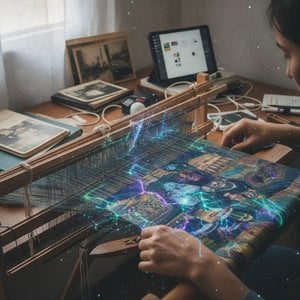
Elevate your home with WahooArt's bespoke AI-textured art. Transform cherished photos into hand-painted textile masterpieces through a seamless fusion of cutting-edge technology and classical craftsmanship. Discover timeless, luxury heirlooms designed to preserve your personal legacy.

 設置イメージを確認
 送る
送る シェア
シェア
 詳細情報
詳細情報 ガイドを表示

 画像をダウンロード
 似ている作品
 X線調査
X線調査 スライドショー
 統計情報
統計情報


 続きを読む
続きを読む









 ガラスオプションは、110cm未満のサイズでのみご利用いただけます。


