

オンラインプレビューをはるかに凌ぐ、高解像度で鮮明なデジタル画像をご購入いただけます。
各ファイルは、社内の専門家が高度なツールと熟練した手作業によるレタッチを駆使し、細心の注意を払って仕上げています。すべての画像において、卓越した鮮明度、正確な色彩再現性、そして繊細なディテールをお約束いたします。
最終ファイルは、プロフェッショナルな編集・印刷環境ですぐにご利用いただけるよう最適化された状態で、72時間以内にメールにてお届けいたします。これは、一流のデザインスタジオ、出版社、ギャラリーから信頼されているものと同等の品質です。
個人での鑑賞、印刷、クリエイティブなプロジェクトにご利用いただける高解像度ファイルをダウンロードできます。 ( プリント版に切り替え 手描きの複製画を注文する)
WahooArt.com を選ぶことは、単に画像を手に入れることではありません。プロの手によって精密に仕上げられ、満足保証が付いた高品質なデジタルアートワークを受け取ることを意味します。ご注文いただいた際に自動的に付随する内容は、以下の通りです:

ご注文から72時間以内に、高解像度のデジタル画像ファイルをメールでお送りいたします。お手元に届き次第、すぐにご利用いただけます。

お客様の作品は、高度なAI技術と専門家による手作業を組み合わせてプロフェッショナルに最適化されており、細部のディテール、鮮明さ、そして正確な色再現性を最大限に引き出しています。

ファイルを誤って削除したり、紛失してしまったりしましたか?ご安心ください。いつでも無料で再送いたします。

関税や手数料、配送料を気にすることなく、お気に入りのアートワークをすぐにお楽しみいただけます。デジタルダウンロードは常に免税です。

プロ仕様のツールとカラーマネジメント技術を用いることで、デジタル画像が元の色を最大限に忠実に再現することを保証いたします。

ご購入いただいたデジタル画像にご満足いただけない場合は、100日以内であれば、理由を問わず修正または100%の返金対応をさせていただきます。

ご満足いただけない場合は、デジタルファイルを受け取ってから100日以内であれば、理由を問わず全額返金いたします。

3枚購入で10%OFF、5枚購入で15%OFF、10枚以上のご購入で20%OFF。クリエイティブなプロジェクトやギャラリー、エージェンシーに最適です。
Edgar Degas's "Three Jockeys," painted in 1900, isn’t merely a depiction of horse racing; it’s a vibrant distillation of movement, energy, and the fleeting beauty of a pivotal moment. This pastel masterpiece, housed within the Metropolitan Museum of Art, offers a captivating glimpse into the world of Parisian equestrian sport through Degas's uniquely Impressionistic lens. The painting immediately draws the eye with its dynamic composition – three figures suspended in a flurry of motion against a backdrop of lush green grass and a hazy sky. It’s a scene brimming with life, capturing not just the physical exertion of the jockeys but also their competitive spirit and the inherent drama of the race.
Degas's masterful use of pastel is central to the work’s evocative power. The medium allows for an astonishing level of subtlety and nuance – a delicate layering of color that creates a sense of atmospheric depth and captures the soft, diffused light characteristic of Impressionism. Notice how he employs broken strokes, building up layers of pigment to suggest texture and movement. The pastel's inherent softness contrasts beautifully with the sharp lines of the horses’ forms, emphasizing their speed and power. The vibrant oranges, blues, and reds of the jockeys’ jackets punctuate the muted tones of the landscape, further intensifying the visual impact.
While often categorized as an Impressionist, Degas resisted this label, preferring to describe himself as a “realist.” He was deeply interested in portraying modern life – particularly the burgeoning world of leisure and entertainment that defined late 19th-century Paris. Horse racing, with its blend of athleticism, spectacle, and social interaction, became a recurring subject for Degas. He wasn’t simply documenting a race; he was dissecting it, analyzing its components—the horses, the jockeys, the spectators—and presenting them in a way that revealed their inherent drama and complexity.
The painting's composition is deliberately asymmetrical, contributing to its sense of dynamism. The first jockey, clad in an eye-catching orange jacket, turns his head back towards his fellow competitors, creating a visual dialogue between the figures. This subtle gesture hints at rivalry and competition, while also suggesting a shared experience. The horses themselves are rendered with remarkable detail – their muscles straining, their nostrils flared, their manes flowing in the wind. Degas’s ability to capture the essence of movement is truly astonishing; you can almost feel the thundering hooves beneath your feet.
Beyond its purely visual appeal, “Three Jockeys” offers a glimpse into the social context of the time. Horse racing was immensely popular in Paris during the late 19th century, attracting a diverse audience from all walks of life – wealthy aristocrats, working-class spectators, and fashionable ladies. The painting subtly reflects this social stratification, with the jockeys representing both skill and status. The detail of the onlookers adds to this sense of community and shared experience.
Interestingly, Degas’s depiction of the horses is somewhat unconventional. One jockey is shown extending his neck to graze, a behavior that contradicts traditional training methods – a small detail that injects a touch of humor into the scene. This playful element underscores Degas's critical eye and his willingness to challenge conventional representations. The painting also subtly hints at the precariousness of life for these jockeys, highlighting their vulnerability amidst the excitement and spectacle of the race.
WahooArt offers meticulously crafted hand-painted reproductions of Edgar Degas’s "Three Jockeys," allowing you to experience this iconic masterpiece in stunning detail. Our skilled artists replicate Degas's delicate pastel strokes and vibrant color palette, capturing the essence of his artistic vision with unparalleled accuracy. Whether you are an art enthusiast, a collector, or simply seeking to add a touch of Impressionistic elegance to your interior design, our reproductions provide a beautiful and authentic way to own a piece of art history. Explore the full reproduction on WahooArt.com and discover the timeless beauty of “Three Jockeys.”

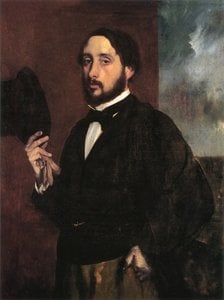
1834 - 1917 , フランス

 設置イメージを確認
 送る
送る シェア
シェア
 詳細情報
詳細情報 ガイドを表示

 画像をダウンロード
 似ている作品
 X線調査
X線調査 スライドショー
 統計情報
統計情報

 続きを読む
続きを読む


