
 PastelImpressionism
 188319th Century
 50.0 x 33.0 cm
オンラインプレビューをはるかに凌ぐ、高解像度で鮮明なデジタル画像をご購入いただけます。
各ファイルは、社内の専門家が高度なツールと熟練した手作業によるレタッチを用いて、細心の注意を払って準備されています。すべての画像において、卓越した鮮明度、正確な色彩再現性、そして繊細なディテールを保証いたします。
最終ファイルは、プロフェッショナルな編集・印刷環境ですぐにご利用いただけるよう最適化された状態で、72時間以内にメールにてお届けいたします。これは、一流のデザインスタジオ、出版社、ギャラリーから信頼されているものと同等の品質です。
個人での鑑賞、印刷、クリエイティブなプロジェクト用に、高解像度ファイルをダウンロードできます。 ( プリント版に切り替え 手描きの絵画を購入)
WahooArt.com を選ぶことは、単に画像を手に入れることではありません。それは、プロの手によって精密に仕上げられ、満足保証が付いた高品質なデジタルアートワークを受け取ることを意味します。ご注文いただいた際に自動的に付随する内容は、以下の通りです:

ご注文から72時間以内に、高解像度のデジタル画像ファイルがメールでお手元に届きます。すぐにそのままご利用いただけます。

お客様の作品は、高度なAIツールと専門家による手作業の編集を組み合わせてプロフェッショナルに最適化されており、細部のディテール、鮮明さ、そして正確な色再現性を最大限に引き出しています。

ファイルを誤って削除したり、紛失してしまったりしましたか?ご安心ください。いつでも無料で再送いたします。

関税や手数料、配送料を気にすることなく、お気に入りのアートワークをすぐにお楽しみいただけます。デジタルダウンロードは常に免税です。

プロ仕様のツールとカラーマネジメント技術を用いることで、デジタル画像が元の色を最大限に忠実に再現することを保証いたします。

ご購入いただいたデジタル画像にご満足いただけない場合は、100日以内であれば、理由を問わず修正または100%の返金対応をさせていただきます。

ご満足いただけない場合は、デジタルファイルを受け取ってから100日以内であれば、理由を問わず全額返金いたします。

3枚購入で10%OFF - 5枚購入で15%OFF - 10枚以上購入で20%OFF。クリエイティブなプロジェクト、ギャラリー、エージェンシーに最適です。
Edgar Degas’ “The Bath,” painted around 1883, isn't merely a depiction of a woman preparing for her toilette; it’s a carefully constructed tableau brimming with quiet observation and an intimate understanding of the human experience. This pastel masterpiece, housed in private collections but frequently studied through reproductions, offers a rare glimpse into Degas’ evolving artistic vision – a shift away from the grand narratives of history painting towards a more personal and psychologically nuanced approach to everyday life. The work immediately draws the viewer in with its soft, diffused light and the delicate application of pastel crayons, creating an atmosphere of serene intimacy that belies the subtle complexities beneath the surface.
Degas’s choice of medium – pastel – is crucial to understanding the painting's impact. Unlike oil paints, pastels offer a remarkable immediacy and spontaneity. The artist directly applies pigment to the paper, allowing for rapid changes in tone and texture. This technique lends itself perfectly to capturing fleeting moments and subtle nuances of light and shadow, mirroring Degas’ fascination with movement and his desire to represent subjects as they truly exist – not idealized or romanticized. The loose, almost sketch-like quality of the pastel strokes contributes to a sense of immediacy, inviting us into this private moment as if we are witnesses to an intimate scene.
“The Bath” is firmly rooted in the burgeoning art movement known as Intimism. Emerging in the late 19th century, Intimism sought to depict scenes of domestic life – particularly those within private interiors – with a focus on emotional resonance and psychological depth. Unlike earlier academic approaches that prioritized grand historical narratives or idealized beauty, Intimist artists aimed to capture the quiet dramas and subtle emotions experienced by ordinary people in their everyday surroundings. Degas’s work exemplifies this shift, moving away from public spectacle towards the intimate sphere of domesticity.
The painting's composition reinforces this focus on the private. The woman, partially obscured by a flowing towel, is presented as an enigmatic figure, her face turned slightly away from the viewer. This deliberate ambiguity invites speculation and encourages us to project our own interpretations onto her – is she lost in thought? Is she anticipating something? Or simply enjoying a moment of quiet solitude? The surrounding details—the partially visible bed, the basin with its sponge, the perfume bottles—add layers of context without explicitly defining the woman’s identity or circumstances. This deliberate restraint allows the viewer to engage actively with the painting and construct their own narrative.
Degas' masterful use of light and shadow is central to the painting’s evocative power. The soft, diffused light suggests a late afternoon or early evening, casting gentle shadows across the bed linens and creating a sense of warmth and intimacy. Notice how he uses highlights to draw attention to the woman’s body – particularly her leg draped over the edge of the bed – while simultaneously obscuring other details with subtle shading. This careful manipulation of light not only creates visual interest but also contributes to the painting's overall mood of quiet contemplation.
Furthermore, Degas captures a sense of movement through his use of gestural brushstrokes. The flowing towel, the slightly tilted head, and the relaxed posture all convey a feeling of effortless grace and naturalness. These subtle gestures suggest that this is not a posed or staged scene but rather a candid moment captured in time. The painting feels alive with an unspoken energy, hinting at the private rituals and quiet dramas that unfold within the domestic sphere.
Beyond its technical brilliance, “The Bath” is rich in symbolic meaning. The woman’s partially unclothed state speaks to themes of vulnerability, intimacy, and the changing role of women in late 19th-century society. While Degas was known for his depictions of dancers and public life, this painting represents a shift towards exploring more personal and introspective subjects. The inclusion of details like the perfume bottles and the basin suggests a focus on self-care and the rituals associated with female identity – reflecting the growing emphasis on domesticity and feminine sensibilities during this period.
The open doorway in the background hints at the possibility of an unseen observer, adding a layer of mystery to the scene. It also subtly references the voyeuristic gaze—a common theme in Degas’s work—and invites us to consider the dynamics of privacy and observation within the domestic setting. “The Bath” is not simply a portrait of a woman preparing for her toilette; it's a complex and layered meditation on identity, intimacy, and the quiet dramas of everyday life – a testament to Degas’s remarkable ability to capture the essence of human experience with subtle grace and profound insight.

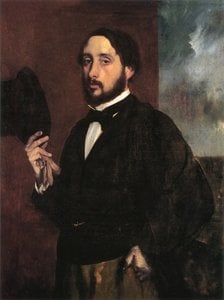
1834 - 1917 , フランス


 プレビュー
プレビュー
 シェアする
シェアする シェアする
シェアする
 詳細を見る
詳細を見る

 ダウンロード
 似ている作品
 X線調査
X線調査 スライドショー
 統計情報
統計情報 詳細を見る
詳細を見る


