

当社のアーティストが、お客様のご希望のサイズと額縁に合わせて、キャンバスに手描きで制作する油彩画です。 ( プリント版に切り替え デジタル画像販売へ切り替え)





























作品のオリジナル比率に合わせた、当店の規定サイズからお選びください。

特定のフレームやスペースに合わせて、ご希望のサイズをご入力いただけます。選択されたサイズが元の画像の比率と異なる場合、アートワークをトリミングするか、手描きで要素を追加して絵画を拡張いたします。デジタルモックアップ を制作し、制作開始前にご確認(承認)をいただきます。
画面上のプレビューは、実際のトリミングや拡張を正確に反映しているものではありません。最終的な構図は、モックアップによってのみ正確にご確認いただけます。
カスタムサイズもご利用いただけますが、元の比率を維持するためには、あらかじめ用意されたリストからサイズを選択することをお勧めいたします。

Singers on Stage
複製画サイズ一覧
Edgar Degas' "Singers on Stage," painted in 1877, is more than just a depiction of three women poised for performance; it’s a meticulously crafted tableau brimming with atmosphere, anticipation, and the subtle drama of a Parisian café-concert. This pastel masterpiece, now housed within the Art Institute of Chicago, offers a captivating window into Degas' unique approach to capturing modern life – a world he sought to portray not through grand historical narratives, but through the intimate details of everyday existence.
Degas’s fascination with dance and the theater was profound. He wasn’t simply interested in recording dancers as they moved; he aimed to capture their essence, their energy, and the fleeting moments of connection between performers and audience. “Singers on Stage” exemplifies this ambition perfectly. The women are positioned with a deliberate sense of reserve, their backs turned towards us, inviting speculation about the songs they’ll sing and the stories they'll tell. The composition is remarkably dynamic, achieved through Degas’s signature pastel technique – a method he favored for its ability to render delicate textures, subtle gradations of color, and the very impression of movement with astonishing precision.
As a leading figure in the Impressionist movement, Degas pushed beyond traditional academic painting. He rejected the polished surfaces and idealized forms favored by many of his contemporaries, opting instead for a looser, more spontaneous style. “Singers on Stage” is a prime example of this shift. Notice how he uses broken strokes of pastel to suggest the folds of fabric, the shimmer of light on skin, and the blurred outlines of the stage setting. He wasn’t striving for photographic realism; rather, he sought to convey an *impression* – a feeling, a mood, a sense of immediacy that captures the essence of the scene.
The use of pastel itself is crucial to understanding Degas's vision. Unlike oil paints, which dry quickly and allow for precise blending, pastels offer a more tactile and expressive medium. Degas could layer colors directly onto the paper, creating rich textures and vibrant hues that seem to glow with an inner light. The red dress worn by one of the singers immediately draws the eye, its boldness contrasting beautifully with the softer blues and browns of the surrounding environment – a deliberate choice likely intended to highlight her presence and draw attention to her performance.
Degas’s masterful manipulation of light is particularly noteworthy. He doesn't rely on harsh contrasts or dramatic shadows; instead, he employs subtle gradations of tone to create a sense of diffused illumination. The stage lights, though unseen, are implied through the way they reflect off the women’s clothing and the surrounding surfaces. This atmospheric effect contributes significantly to the painting’s overall mood – one of quiet anticipation and hushed excitement.
Furthermore, the positioning of the figures—close together yet separated by a sense of formality—suggests a shared experience, a collective moment before the performance begins. The viewer is left to imagine the music, the voices, and the stories unfolding on stage, creating a powerful connection between the artwork and our own memories of social gatherings and shared experiences.
“Singers on Stage” stands as one of Edgar Degas's most celebrated works, alongside pieces like “Mademoiselle Malo,” “Ludovic Halevy Speaking with Madame Cardinal,” and “Women on a Cafe Terrace at Chatsworth.” These paintings collectively reveal a keen eye for capturing the nuances of Parisian life in the late 19th century – a period of rapid social change and artistic innovation. Degas’s influence extends far beyond Impressionism, shaping the course of modern art with his innovative techniques and his willingness to explore unconventional subjects.
Today, reproductions of “Singers on Stage” are available through WahooArt.com and other platforms, offering a beautiful opportunity to bring this captivating artwork into your home or office. These meticulously crafted hand-painted reproductions capture the essence and beauty of Degas’s original masterpiece, allowing you to appreciate its artistry and historical significance for generations to come. For more information on Edgar Degas and his works, please visit https://WahooArt.com/@/Hilaire-Germain-Edgar-Degas.

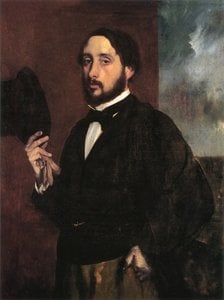
1834 - 1917 , フランス

Master the nuances of Impressionism vs. Post-Impressionism with our expert guide. Explore the revolutionary shift from Monet’s fleeting light to Van Gogh’s emotional depth. Discover how these iconic movements continue to inspire fine art collectors and modern interiors today.

Explore the ethereal beauty of pastel art. Discover how Impressionist masters used soft hues and velvety textures to capture light. A professional guide for art enthusiasts seeking to understand, collect, and appreciate the delicate magic of this timeless medium.

 設置イメージを確認
 送る
送る シェア
シェア
 詳細情報
詳細情報 ガイドを表示

 画像をダウンロード
 似ている作品
 X線調査
X線調査 スライドショー
 統計情報
統計情報

 続きを読む
続きを読む









 ガラスオプションは、110cm未満のサイズでのみご利用いただけます。


