
迅速な制作と多彩な仕上げオプションを備えた、ミュージアムクオリティのジークレーまたはキャンバスプリント。 ( 手描きの絵画を購入 デジタル画像販売へ切り替え)





























作品のオリジナル比率に合わせた、当店の規定サイズからお選びください。

特定のフレームやスペースに合わせて、ご自身でサイズを指定することも可能です。選択されたサイズが元の画像の比率と一致しない場合、作品をトリミングするか、鏡面反射または単色での塗りつぶしによって画像を拡張いたします。制作を開始する前に、ご確認用のデジタルモックアップをお送りいたします。
画面上のプレビューには、実際のトリミングや拡張は反映されませんのでご注意ください。最終的な構図を正確に確認できるのは、モックアップのみとなります。
カスタムサイズも承っておりますが、元の比率を維持するためには、あらかじめ用意されたリストからサイズを選択することをお勧めいたします。

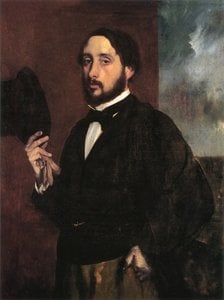
Melancholy
複製画のサイズ
Hilaire Germain Edgar Degas’s “Melancholy,” painted circa 1860, is more than just a portrait; it's a carefully constructed meditation on mood and the subtle complexities of human emotion. This captivating work, depicting an unidentified woman in rich red attire, reveals Degas’s masterful ability to evoke intimacy and solemnity through restrained composition and nuanced observation. While the precise narrative behind the subject remains elusive – likely reflecting the artist’s preference for formal calm over explicit interior life – the painting resonates with a profound sense of quiet contemplation, a hallmark of Degas's artistic vision.
Painted during a pivotal period in Degas's career, “Melancholy” reflects his evolving artistic sensibilities. Though often associated with Impressionism alongside artists like Monet and Renoir, Degas deliberately resisted this label, prioritizing realism and meticulous observation over the immediate effects of light and color. This commitment stemmed from his deep engagement with classical art, particularly the works he meticulously studied in the Louvre – a foundation that informed his approach to portraiture. The painting’s contemplative mood aligns with the artistic currents of the time, echoing the interest in psychological depth and emotional nuance prevalent within French Salon painting.
Interestingly, Duncan Phillips frequently displayed similar intimate portraits by Bonnard and Vuillard alongside “Melancholy,” suggesting a shared appreciation for the genre's capacity to evoke quiet contemplation. This association further solidifies Degas’s position as a key figure in the exploration of human emotion through portraiture.
The title itself, "Melancholy," is significant. While perhaps not consciously chosen by Degas – who favored neutral titles – it perfectly encapsulates the painting's dominant mood. The woman’s downward gaze and the overall atmosphere of solemnity suggest a profound sense of sadness or introspection. It’s a portrait that invites viewers to consider themes of loneliness, vulnerability, and the quiet suffering inherent in the human condition. Degas masterfully avoids sentimentality, instead offering a glimpse into a private moment of emotional depth.
"Melancholy" remains a powerful example of Degas’s artistic genius, showcasing his ability to capture not just likeness but also the very essence of human emotion. A hand-painted reproduction offers an exceptional opportunity to bring this evocative work into your home or office – a testament to a master's profound understanding of light, form, and the complexities of the human spirit. Its timeless appeal makes it a valuable addition to any art collection or a striking focal point for interior design.

1834 - 1917 , フランス

Explore the ethereal beauty of Impressionist landscapes. Discover how masters like Monet captured fleeting light through color and texture, and learn to curate these timeless, luminous masterpieces for your home collection.

Discover the ethereal beauty of Impressionist art. Explore how masters like Claude Monet captured light and color through revolutionary techniques, and learn to bring this timeless elegance into your home with museum-quality reproductions.


 プレビュー
プレビュー
 シェアする
シェアする シェアする
シェアする
 詳細を見る
詳細を見る

 ダウンロード
 似ている作品
 X線調査
X線調査 スライドショー
 統計情報
統計情報

 詳細を見る
詳細を見る









 ガラスオプションは、110cm未満のサイズでのみご利用いただけます。


