
当社のアーティストが、お客様のご希望のサイズと額縁に合わせて、キャンバスに手描きで制作する油彩画です。 ( プリント版に切り替え デジタル画像販売へ切り替え)





























作品のオリジナル比率に合わせた、当店の規定サイズからお選びください。

特定のフレームやスペースに合わせて、ご希望のサイズをご入力いただけます。選択されたサイズが元の画像の比率と異なる場合、アートワークをトリミングするか、手描きで要素を追加して絵画を拡張いたします。デジタルモックアップ を制作し、制作開始前にご確認(承認)をいただきます。
画面上のプレビューは、実際のトリミングや拡張を正確に反映しているものではありません。最終的な構図は、モックアップによってのみ正確にご確認いただけます。
カスタムサイズもご利用いただけますが、元の比率を維持するためには、あらかじめ用意されたリストからサイズを選択することをお勧めいたします。

Dancers
複製画のサイズ
The world of art is replete with masterpieces that continue to inspire and awe us. Among these, the works of Edgar Degas stand out for their captivating portrayal of movement and elegance. One such piece that exemplifies his skill is Dancers, a pastel painting from 1878. This artwork isn’t merely a depiction of ballet; it's a meticulously observed study in fleeting grace, capturing three women poised on a stage set against a backdrop of trees – an evocative blend of natural beauty and the artificiality of performance. The scene feels remarkably intimate, as if we’ve stumbled upon a private rehearsal, offering a rare glimpse into the world behind the curtain.
Degas's fascination with dancers was profound, extending far beyond simple admiration. He saw in them a unique combination of strength and vulnerability, discipline and artistry. Dancers is a testament to this perspective; the figures aren’t idealized or romanticized but presented with an honest, almost clinical attention to detail. Notice how he renders their muscles, the slight tension in their limbs as they prepare for movement, the subtle shifts in weight – all rendered with a remarkable sensitivity to anatomy and gesture. The pastel medium itself is crucial here; its soft, hazy quality perfectly captures the diffused light of a rehearsal room and the ethereal atmosphere of a ballet performance.
Dancers exemplifies Degas’s unique approach to Impressionism. He deliberately resisted being categorized as a pure Impressionist, preferring to describe himself as a realist – a commitment rooted in his meticulous observation of the world around him and a dedication to portraying it with unflinching honesty. This is evident in the painting's composition: the figures are not arranged for dramatic effect but rather placed within a carefully constructed space that emphasizes their relationship to each other and to the stage. The use of muted colors – primarily greens, yellows, and browns – contributes to this sense of realism, while also creating a subtle visual harmony.
The positioning of the dancers is particularly noteworthy. One woman, positioned slightly to the left, seems to be preparing for her next move, her hand poised as if about to take flight. The third dancer, standing behind, offers a contrasting image – a moment of quiet contemplation before the performance begins. This subtle interplay between action and stillness adds depth and complexity to the scene. Degas wasn’t simply recording a ballet; he was capturing the entire process—the anticipation, the preparation, and the final burst of movement.
Degas's preference for pastel as the medium is integral to the painting’s evocative quality. Unlike oil paints, pastels offer a remarkable degree of subtlety and nuance. The artist could build up layers of color with delicate strokes, creating a luminous effect that captures the softness of light and shadow. This technique is particularly evident in the rendering of the dancers' costumes – the folds of their skirts, the sheen of their ribbons, all rendered with astonishing precision.
Furthermore, pastel allowed Degas to achieve an unparalleled level of detail and texture. He employed a variety of techniques—blending, scumbling, and dry-brushing—to create a surface that is both smooth and richly layered. The result is a painting that feels incredibly tactile, inviting the viewer to reach out and touch the delicate fabric of the dancers’ costumes.
The theme of capturing performances and the essence of movement isn't unique to Degas. Other artists, such as Walter Richard Sickert, have also explored this concept. For instance, his painting Little Dot Hetherington at the Old Bedford depicts a young singer’s performance at a music hall, showcasing the artist's power over the audience's feelings and thoughts. The parallels are clear: both artists sought to capture the immediacy and emotional intensity of live performances.
Degas’s work resonates with the broader artistic currents of the late 19th century, particularly the rise of Realism and Impressionism. His meticulous observation, his interest in everyday subjects, and his willingness to experiment with new techniques all contributed to his enduring legacy as one of the most important artists of the modern era.
For those interested in exploring more of his works, Ballet Scene and Two Dancers Entering the Stage are notable examples.
Handmade oil painting reproductions of Dancers and other masterpieces are available at https://WahooArt.com, offering art enthusiasts a unique opportunity to own a piece of history.

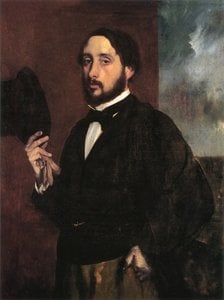
1834 - 1917 , フランス

Explore the ethereal beauty of pastel art. Discover how Impressionist masters used soft hues and velvety textures to capture light. A professional guide for art enthusiasts seeking to understand, collect, and appreciate the delicate magic of this timeless medium.

Discover the ethereal beauty of ballet through museum-quality, hand-painted oil reproductions. From Degas to Carrier-Belleuse, elevate your collection with bespoke masterpieces curated for the discerning connoisseur. Experience unparalleled craftsmanship and timeless elegance.

Master the nuances of Impressionism vs. Post-Impressionism with our expert guide. Explore the revolutionary shift from Monet’s fleeting light to Van Gogh’s emotional depth. Discover how these iconic movements continue to inspire fine art collectors and modern interiors today.


 プレビュー
プレビュー
 シェアする
シェアする シェアする
シェアする
 詳細を見る
詳細を見る

 ダウンロード
 似ている作品
 X線調査
X線調査 スライドショー
 統計情報
統計情報

 詳細を見る
詳細を見る









 ガラスオプションは、110cm未満のサイズでのみご利用いただけます。


