
x


迅速な制作と多彩な仕上げオプションを備えた、ミュージアムクオリティのジークレーまたはキャンバスプリント。 ( 手描きの絵画を購入 画像を購入)





























作品のオリジナル比率に合わせた、当店の規定サイズからお選びください。

特定のフレームやスペースに合わせて、ご自身でサイズを指定することも可能です。選択されたサイズが元の画像の比率と一致しない場合、作品をトリミングするか、鏡面反射または単色での塗りつぶしによって画像を拡張いたします。制作を開始する前に、ご確認用のデジタルモックアップをお送りいたします。
画面上のプレビューには、実際のトリミングや拡張は反映されませんのでご注意ください。最終的な構図を正確に確認できるのは、モックアップのみとなります。
カスタムサイズも承っておりますが、元の比率を維持するためには、あらかじめ用意されたリストからサイズを選択することをお勧めいたします。

Alexander and Bucephalus
複製画のサイズ
Edgar Degas’s “Alexander and Bucephalus,” painted in 1861, isn't merely a depiction of a historical event; it’s a vibrant distillation of movement, power, and the complex relationship between man and beast. Born Hilaire-Germain-Edgar De Gas in Paris, Degas was an artist perpetually at odds with categorization – he resisted being labeled an Impressionist, preferring to define himself as a realist, driven by meticulous observation and unflinching honesty. This painting exemplifies that approach, capturing the raw energy of the scene with a remarkable sense of immediacy. The genesis of this work lies in Degas’s early fascination with classical art, honed through countless hours spent studying the masterpieces within the Louvre, yet tempered by his own unique vision and a desire to portray contemporary life with unprecedented dynamism.
The painting emerged during a pivotal period in Degas's career. He had initially pursued history painting, influenced by the rigorous training instilled by Louis Lamothe at the École des Beaux-Arts. However, he soon recognized the limitations of this traditional path and began to explore new subjects – particularly the world of ballet dancers and racehorses – finding within them a more compelling means of expressing his artistic sensibilities. “Alexander and Bucephalus” represents a crucial step in this evolution, showcasing Degas’s growing confidence in capturing fleeting moments and conveying psychological depth through simplified forms and bold brushstrokes.
The composition is immediately arresting – a dynamic tableau set against the backdrop of a dusty road leading towards indistinct buildings. Degas masterfully orchestrates five horses, their musculature rendered with astonishing detail, each conveying a distinct sense of movement. The central figure, Alexander the Great, astride his legendary warhorse Bucephalus, dominates the scene, yet he’s not presented as an idealized hero but rather as a participant in a powerful, almost chaotic exchange. The soldier riding nearby further emphasizes this dynamic interplay, creating a visual rhythm that pulls the viewer into the heart of the action.
Degas's technique is characterized by his innovative use of Impressionistic principles. He employed short, broken brushstrokes to capture the fleeting effects of light and shadow, eschewing traditional blending techniques in favor of a more direct and expressive approach. The colors are vibrant yet muted, reflecting the dusty atmosphere of the scene while simultaneously conveying a sense of urgency and excitement. Notably, Degas’s meticulous attention to detail—particularly in rendering the horses' anatomy—contrasts sharply with the loose brushwork used for the background, creating a compelling visual tension.
Beyond its technical brilliance, “Alexander and Bucephalus” is rich in symbolic meaning. The painting speaks to the enduring relationship between man and animal – a bond forged through mutual respect, trust, and power. Bucephalus, Alexander’s warhorse, was not merely a mount but a partner in battle, a creature of immense strength and intelligence. Their connection represents a microcosm of human ambition and dominance, yet also hints at the vulnerability inherent in such relationships.
Furthermore, the scene evokes themes of leadership, courage, and the challenges of command. Alexander’s posture, his gaze fixed on the horizon, suggests both determination and a certain weariness – the weight of responsibility borne by a young conqueror. The painting's emotional impact is profound, capturing not just a historical event but also the psychological complexities of power and the enduring allure of the wild.
WahooArt offers meticulously crafted oil painting reproductions of “Alexander and Bucephalus,” allowing you to bring this iconic masterpiece into your home or office. Our hand-painted reproductions faithfully capture the original’s vibrant colors, dynamic composition, and nuanced details, ensuring an authentic representation of Degas's artistic vision. Each reproduction is created by skilled artisans using archival-quality materials, guaranteeing its longevity and beauty for generations to come. Explore our collection today and experience the timeless power of this remarkable work of art.

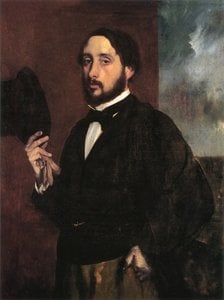
1834 - 1917 , フランス

Master the nuances of Impressionism vs. Post-Impressionism with our expert guide. Explore the revolutionary shift from Monet’s fleeting light to Van Gogh’s emotional depth. Discover how these iconic movements continue to inspire fine art collectors and modern interiors today.

Discover the ethereal beauty of ballet through museum-quality, hand-painted oil reproductions. From Degas to Carrier-Belleuse, elevate your collection with bespoke masterpieces curated for the discerning connoisseur. Experience unparalleled craftsmanship and timeless elegance.
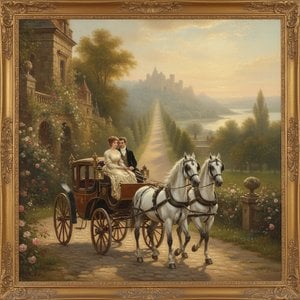
Embark on a visual journey through the romantic world of horse carriage art. Discover the mastery of equestrian oil paintings, from Impressionist textures to classical realism, and learn how to bring timeless elegance into your home with museum-quality reproductions.


最新の美術ニュース、限定オファー、そしてインテリアのアイデアをいち早くお届けします。
お客様のプロジェクトについてお聞かせください。当社の美術専門家が、お客様に合わせた3つのパーソナライズされた芸術提案をご提供いたします。
あなたにぴったりの3作品を無料で厳選いたします


 プレビュー
プレビュー
 シェアする
シェアする シェアする
シェアする
 詳細を見る
詳細を見る

 ダウンロード
 似ている作品
 X線調査
X線調査 スライドショー

 詳細を見る
詳細を見る









 ガラスオプションは、110cm未満のサイズでのみご利用いただけます。


