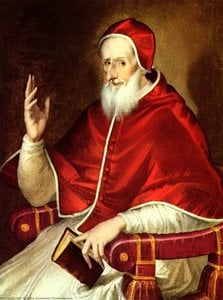
Oil On CanvasWallArtMannerism
 1650Early Modern
 37.0 x 70.0 cm
 エルミタージュ美術館
オンラインプレビューをはるかに凌ぐ、高解像度で鮮明なデジタル画像をご購入いただけます。
各ファイルは、社内の専門家が高度なツールと熟練した手作業によるレタッチを用いて、細心の注意を払って準備されています。すべての画像において、卓越した鮮明度、正確な色彩再現性、そして繊細なディテールを保証いたします。
最終ファイルは、プロフェッショナルな編集・印刷環境ですぐにご利用いただけるよう最適化された状態で、72時間以内にメールにてお届けいたします。これは、一流のデザインスタジオ、出版社、ギャラリーから信頼されているものと同等の品質です。
個人での鑑賞、印刷、クリエイティブなプロジェクト用に、高解像度ファイルをダウンロードできます。 ( プリント版に切り替え 手描きの絵画を購入)
WahooArt.com を選ぶことは、単に画像を手に入れることではありません。それは、プロの手によって精密に仕上げられ、満足保証が付いた高品質なデジタルアートワークを受け取ることを意味します。ご注文いただいた際に自動的に付随する内容は、以下の通りです:

ご注文から72時間以内に、高解像度のデジタル画像ファイルがメールでお手元に届きます。すぐにそのままご利用いただけます。

お客様の作品は、高度なAIツールと専門家による手作業の編集を組み合わせてプロフェッショナルに最適化されており、細部のディテール、鮮明さ、そして正確な色再現性を最大限に引き出しています。

ファイルを誤って削除したり、紛失してしまったりしましたか?ご安心ください。いつでも無料で再送いたします。

関税や手数料、配送料を気にすることなく、お気に入りのアートワークをすぐにお楽しみいただけます。デジタルダウンロードは常に免税です。

プロ仕様のツールとカラーマネジメント技術を用いることで、デジタル画像が元の色を最大限に忠実に再現することを保証いたします。

ご購入いただいたデジタル画像にご満足いただけない場合は、100日以内であれば、理由を問わず修正または100%の返金対応をさせていただきます。

ご満足いただけない場合は、デジタルファイルを受け取ってから100日以内であれば、理由を問わず全額返金いたします。

3枚購入で10%OFF - 5枚購入で15%OFF - 10枚以上購入で20%OFF。クリエイティブなプロジェクト、ギャラリー、エージェンシーに最適です。
To stand before this monumental depiction of Carrying the Cross is to be enveloped by an atmosphere thick with solemnity and profound human endurance. The scene unfolds as a powerful tableau vivant, capturing not merely an event, but the very weight of collective faith. We are drawn into the heart of a town square, where the architectural backdrop frames a deeply personal journey. Observe the multitude—at least fourteen figures coalesce around the central burden of the cross. Each individual possesses a distinct posture, a unique expression etched onto their face, suggesting a spectrum of devotion ranging from weary resignation to fervent commitment. The composition itself is masterful, guiding the viewer's eye along the path of suffering and shared purpose.
This work bears the unmistakable signature of Hieronymus Francken, a Flemish maestro whose command over narrative painting is evident in every brushstroke. Working around 1650, though drawing from an earlier period of his life (his active years spanned the late 16th and early 17th centuries), Francken imbues this piece with a rich Mannerist sensibility blended with emerging Baroque drama. The technique, executed in oil on canvas, allows for breathtaking depth; notice how the light seems to emanate from an unseen source, catching the folds of drapery and highlighting the sweat on determined brows. His understanding of perspective is impeccable, drawing the viewer deep into the painted space, past the immediate foreground and toward the distant, majestic mountains that anchor the entire composition in a sense of timeless grandeur.
The symbolism here is multilayered, speaking to themes that transcend mere historical recounting. The cross itself is the undeniable focal point, representing sacrifice, redemption, and the ultimate burden carried by humanity. Yet, it is not just the object; it is the procession that holds the meaning. The grouping of people—the mix of ages, social standings implied by their dress—symbolizes the universal nature of faith and shared human struggle. The town square, with its blend of civic architecture and spiritual weight, becomes a microcosm for the soul itself: structured yet capable of profound emotional outpouring. It invites contemplation on what we are willing to carry in our own lives.
For the collector or designer seeking art that speaks volumes without uttering a word, this piece offers unparalleled emotional resonance. The sheer scale and dramatic energy make it a commanding focal point for any grand hall or contemplative space. Reproducing such a work allows one to bring home not just paint on canvas, but an entire historical moment—a meditation on fortitude. It is art that demands you slow down, to feel the weight of the journey alongside the figures, connecting the viewer emotionally to Francken's enduring vision of human spirit under duress.

In the vibrant, bustling heart of 16th-century Antwerp, a period defined by artistic flourishing and cultural transition, Hieronymus Francken I emerged as a master of courtly grace and religious intensity. Born in 1540 in Herentals, Belgium, he was destined for a life steeped in the pigments and palettes of the great Flemish tradition. As a member of the illustrious Francken dynasty, his very identity was woven into the fabric of Antwerp’s artistic elite. He was the son of Nicolaes Francken, a painter who laid the groundwork for a family legacy that would dominate the regional art scene for generations. Alongside his brothers, Frans Francken I and Ambrosius Francken I, Hieronymus helped establish a lineage of excellence that bridged the gap between the late Renaissance and the burgeoning Baroque era.
The formative years of Hieronymus were shaped by the rigorous training of the Antwerp school, most notably under the mentorship of the legendary Frans Floris. From Floris, Francken inherited a sophisticated command of perspective and a profound understanding of compositional balance, elements that would become the hallmarks of his mature style. While historical records suggest he may have traversed the landscapes of Italy, absorbing the classical ideals of the Italian Renaissance, his true genius lay in his ability to synthesize these foreign influences with the expressive, often restless energy of Mannerism. This fusion allowed him to create works that were not merely decorative but possessed a psychological depth and a rhythmic vitality that captivated both the clergy and the nobility.
Hieronymus Francken I achieved a level of prestige that few of his contemporaries could claim, finding great success as a court painter for the French monarchs Henry IV and Louis XIII. His presence at the court of Fontainebleau placed him at the epicenter of European artistic patronage, where he was tasked with decorating palaces and immortalizing the grandeur of royal life. In these monumental canvases, one observes a meticulous attention to detail—the shimmer of silk, the intricate patterns of lace, and the dignified posture of the aristocracy. His ability to capture the formal elegance of courtly gatherings, often featuring dancing figures and aristocratic processions, anticipated the genre painting that would flourish in the 17th century.
Yet, his mastery was not confined to the secular splendor of the palace; he was equally adept at navigating the profound emotional landscapes of religious iconography. His sacred works, such as The Last Judgment and Carrying the Cross, demonstrate a dramatic use of light and shadow, a technique that would later become central to the Baroque movement. In these pieces, Francken utilized muscular, dynamic figures and sweeping compositions to evoke a sense of divine awe and human suffering. Whether depicting the biblical gravity of a judgment or the delicate moral lessons found in works like Wise and Foolish Maidens, his brushwork remained imbued with a certain Mannerist tension—a sophisticated interplay of grace and drama.
The historical importance of Hieronymus Francken I lies in his role as a transitional figure who helped steer Flemish art from the structured elegance of the Renaissance toward the emotive power of the Baroque. He was a painter of dualities: capable of the delicate, almost ornamental beauty required for courtly decoration, yet possessed of the technical strength to execute heavy, theological narratives. His career serves as a vital link in the evolution of Northern European painting, providing a foundation upon which his descendants and successors would build.
To reflect on the breadth of his contribution is to recognize the following:
Though he passed away in 1610, leaving behind a body of work that continues to resonate with its technical brilliance and narrative depth, the influence of Hieronymus Francken I remains etched in the history of Flemish art. He remains a painter of profound sophistication, a man who could capture both the fleeting joy of a courtly dance and the eternal weight of a divine decree.

1540 - 1610 , Belgium


 プレビュー
プレビュー
 シェアする
シェアする シェアする
シェアする
 詳細を見る
詳細を見る

 ダウンロード
 似ている作品
 X線調査
X線調査 スライドショー
 統計情報
統計情報 詳細を見る
詳細を見る