
迅速な制作と多彩な仕上げオプションを備えた、ミュージアムクオリティのジークレーまたはキャンバスプリント。 ( 手描きの絵画を購入 デジタル画像販売へ切り替え)





























作品のオリジナル比率に合わせた、当店の規定サイズからお選びください。

特定のフレームやスペースに合わせて、ご自身でサイズを指定することも可能です。選択されたサイズが元の画像の比率と一致しない場合、作品をトリミングするか、鏡面反射または単色での塗りつぶしによって画像を拡張いたします。制作を開始する前に、ご確認用のデジタルモックアップをお送りいたします。
画面上のプレビューには、実際のトリミングや拡張は反映されませんのでご注意ください。最終的な構図を正確に確認できるのは、モックアップのみとなります。
カスタムサイズも承っておりますが、元の比率を維持するためには、あらかじめ用意されたリストからサイズを選択することをお勧めいたします。

Two Male Heads
複製画のサイズ
Hieronymus Bosch’s “Two Male Heads,” housed in the Museum Boijmans Van Beuningen in Rotterdam, stands as a haunting testament to the artist's unparalleled ability to distill complex theological concepts into visually arresting imagery. Painted around 1480 during his formative years—a period marked by burgeoning humanist thought alongside deep-seated anxieties about mortality and divine judgment—this enigmatic portrait transcends mere likeness; it delves into the psychological landscape of faith and confronts viewers with unsettling questions about human nature.
The inclusion of mitres—symbols representing papal authority and divine grace—immediately establishes a connection to religious iconography prevalent during Bosch’s era. However, their placement within the portrait is not merely decorative; it invites contemplation about the role of leadership in spiritual matters. The gaze exchanged between the two men suggests an internal dialogue concerning faith, doubt, and the pursuit of enlightenment – themes central to Bosch's artistic vision.
"Two Male Heads" is considered a precursor to surrealism, anticipating André Breton’s movement decades later with its unsettling juxtaposition of recognizable figures within an otherworldly setting. Bosch's deliberate distortion of perspective and anatomical proportions—characteristic of his artistic style—challenges conventional notions of representation, prioritizing psychological impact over literal accuracy. This approach aligns perfectly with the broader humanist preoccupation with exploring the subconscious mind and confronting irrational fears.
Hieronymus Bosch's “Two Male Heads” remains a captivating enigma—a portrait that speaks volumes about the anxieties of its time while simultaneously confronting us with timeless questions regarding human spirituality. Its masterful technique, combined with profound symbolic depth, secures its place as one of the most enduring achievements of Early Netherlandish painting and continues to inspire artists and scholars alike.


1450 - 1516 , オランダ

Explore the intricate beauty of Northern Renaissance art. Discover the revolutionary oil techniques, profound symbolism, and microscopic realism of the Franco-Flemish masters in this expert guide for classical art enthusiasts.
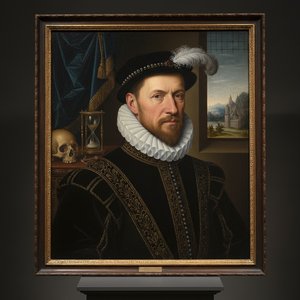
Explore the breathtaking precision of Hans Holbein the Younger. From Tudor royal portraits to intricate Northern Renaissance details, discover the mastery behind his legendary works and learn how to bring this historical grandeur into your collection with museum-quality reproductions.

Unveil the intricate mastery of Northern Renaissance Art. Explore the luminous oil techniques, hidden symbolism, and breathtaking realism of Flemish masters through an expert lens of art history and technical precision.
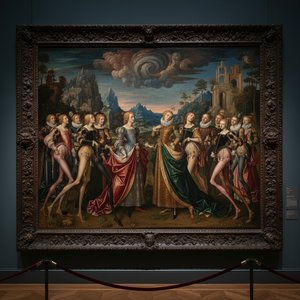
Explore the dramatic evolution of Northern Mannerism. Discover how masters like Bosch and Grünewald transitioned from Renaissance harmony to profound, elegant distortion through an expert analysis of symbolism, emotional intensity, and artistic innovation.


 プレビュー
プレビュー
 シェアする
シェアする シェアする
シェアする
 詳細を見る
詳細を見る

 ダウンロード
 似ている作品
 X線調査
X線調査 スライドショー
 統計情報
統計情報

 詳細を見る
詳細を見る









 ガラスオプションは、110cm未満のサイズでのみご利用いただけます。


