Acrylic On CanvasWallArtNorthern Renaissance
 256.0 x 149.0 cm
 ルーブル美術館
当社のアーティストが、お客様のご希望のサイズと額縁に合わせて、キャンバスに手描きで制作する油彩画です。 ( プリント版に切り替え デジタル画像販売へ切り替え)





























作品のオリジナル比率に合わせた、当店の規定サイズからお選びください。

特定のフレームやスペースに合わせて、ご希望のサイズをご入力いただけます。選択されたサイズが元の画像の比率と異なる場合、アートワークをトリミングするか、手描きで要素を追加して絵画を拡張いたします。デジタルモックアップ を制作し、制作開始前にご確認(承認)をいただきます。
画面上のプレビューは、実際のトリミングや拡張を正確に反映しているものではありません。最終的な構図は、モックアップによってのみ正確にご確認いただけます。
カスタムサイズもご利用いただけますが、元の比率を維持するためには、あらかじめ用意されたリストからサイズを選択することをお勧めいたします。

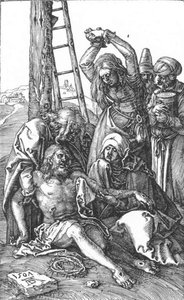
Death and the Miser
複製画のサイズ
Hieronymus Bosch’s “Death and the Miser,” completed sometime between 1490 and 1516, isn't merely a depiction of mortality; it’s a meticulously crafted allegory designed to unsettle viewers and provoke contemplation on earthly desires versus spiritual salvation. This haunting masterpiece resides in the National Gallery of Art in Washington D.C., where its enigmatic symbolism continues to fascinate scholars and inspire artists alike.
The painting’s enduring power lies in its ability to transcend time and culture, prompting viewers to grapple with fundamental questions about human nature and the afterlife. Bosch's masterful rendering captures not just a scene but an entire worldview—a chilling reminder that true fulfillment resides beyond the fleeting pleasures of this world.
Bosch’s technique involved painstaking drawing with pen or ink on paper, utilizing hatching and crosshatching to achieve remarkable textural detail. The careful layering of lines creates a palpable sense of depth and contributes significantly to the painting's unsettling realism despite its fantastical subject matter.
“Death and the Miser” stands as one exemplar of Bosch’s broader artistic vision—a testament to his ability to fuse religious allegory with psychological insight. It shares stylistic similarities with other iconic works like “The Garden of Earthly Delights,” demonstrating Bosch's consistent exploration of moral themes and his masterful manipulation of visual language.
Despite being created centuries ago, "Death and the Miser" continues to resonate powerfully today. Its depiction of avarice and its confrontation with mortality speaks to universal anxieties about existence and offers a timeless meditation on the importance of spiritual contemplation—a message that remains strikingly relevant in our increasingly materialistic society.


1450 - 1516 , オランダ

Explore the profound symbolism of Vanitas art. From Dutch Golden Age masterpieces to the haunting beauty of Memento Mori, uncover how classical painters used skulls and hourglasses to reflect on life's transience through expert art history analysis.

Embark on a visual journey through Early Medieval art. Explore the profound beauty of illuminated manuscripts, sacred symbols, and golden light through an expert historical lens, celebrating the enduring legacy of medieval craftsmanship and divine artistry.

Embark on a scholarly journey through the sacred beauty of High Medieval art. Discover the profound symbolism, luminous iconography, and spiritual depth of Gothic masterpieces in this expert guide for classical art enthusiasts.
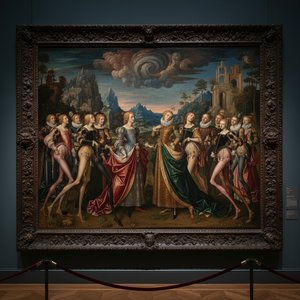
Explore the dramatic evolution of Northern Mannerism. Discover how masters like Bosch and Grünewald transitioned from Renaissance harmony to profound, elegant distortion through an expert analysis of symbolism, emotional intensity, and artistic innovation.


 プレビュー
プレビュー
 シェアする
シェアする シェアする
シェアする
 詳細を見る
詳細を見る

 ダウンロード
 似ている作品
 X線調査
X線調査 スライドショー
 統計情報
統計情報 詳細を見る
詳細を見る









 ガラスオプションは、110cm未満のサイズでのみご利用いただけます。