
 Oil On CanvasWallArtBaroque Painting
 1635
1635 176.0 x 130.0 cm
 国立美術館 (Rijksmuseum)
オンラインプレビューをはるかに凌ぐ、高解像度で鮮明なデジタル画像をご購入いただけます。
各ファイルは、社内の専門家が高度なツールと熟練した手作業によるレタッチを駆使し、細心の注意を払って仕上げています。すべての画像において、卓越した鮮明度、正確な色彩再現性、そして繊細なディテールをお約束いたします。
最終ファイルは、プロフェッショナルな編集・印刷環境ですぐにご利用いただけるよう最適化された状態で、72時間以内にメールにてお届けいたします。これは、一流のデザインスタジオ、出版社、ギャラリーから信頼されているものと同等の品質です。
個人での鑑賞、印刷、クリエイティブなプロジェクトにご利用いただける高解像度ファイルをダウンロードできます。 ( プリント版に切り替え 手描きの複製画を注文する)
WahooArt.com を選ぶことは、単に画像を手に入れることではありません。プロの手によって精密に仕上げられ、満足保証が付いた高品質なデジタルアートワークを受け取ることを意味します。ご注文いただいた際に自動的に付随する内容は、以下の通りです:
ご注文から72時間以内に、高解像度のデジタル画像ファイルをメールでお送りいたします。お手元に届き次第、すぐにご利用いただけます。
お客様の作品は、高度なAI技術と専門家による手作業を組み合わせてプロフェッショナルに最適化されており、細部のディテール、鮮明さ、そして正確な色再現性を最大限に引き出しています。
ファイルを誤って削除したり、紛失してしまったりしましたか?ご安心ください。いつでも無料で再送いたします。
関税や手数料、配送料を気にすることなく、お気に入りのアートワークをすぐにお楽しみいただけます。デジタルダウンロードは常に免税です。
プロ仕様のツールとカラーマネジメント技術を用いることで、デジタル画像が元の色を最大限に忠実に再現することを保証いたします。
ご購入いただいたデジタル画像にご満足いただけない場合は、100日以内であれば、理由を問わず修正または100%の返金対応をさせていただきます。
ご満足いただけない場合は、デジタルファイルを受け取ってから100日以内であれば、理由を問わず全額返金いたします。
3枚購入で10%OFF、5枚購入で15%OFF、10枚以上のご購入で20%OFF。クリエイティブなプロジェクトやギャラリー、エージェンシーに最適です。
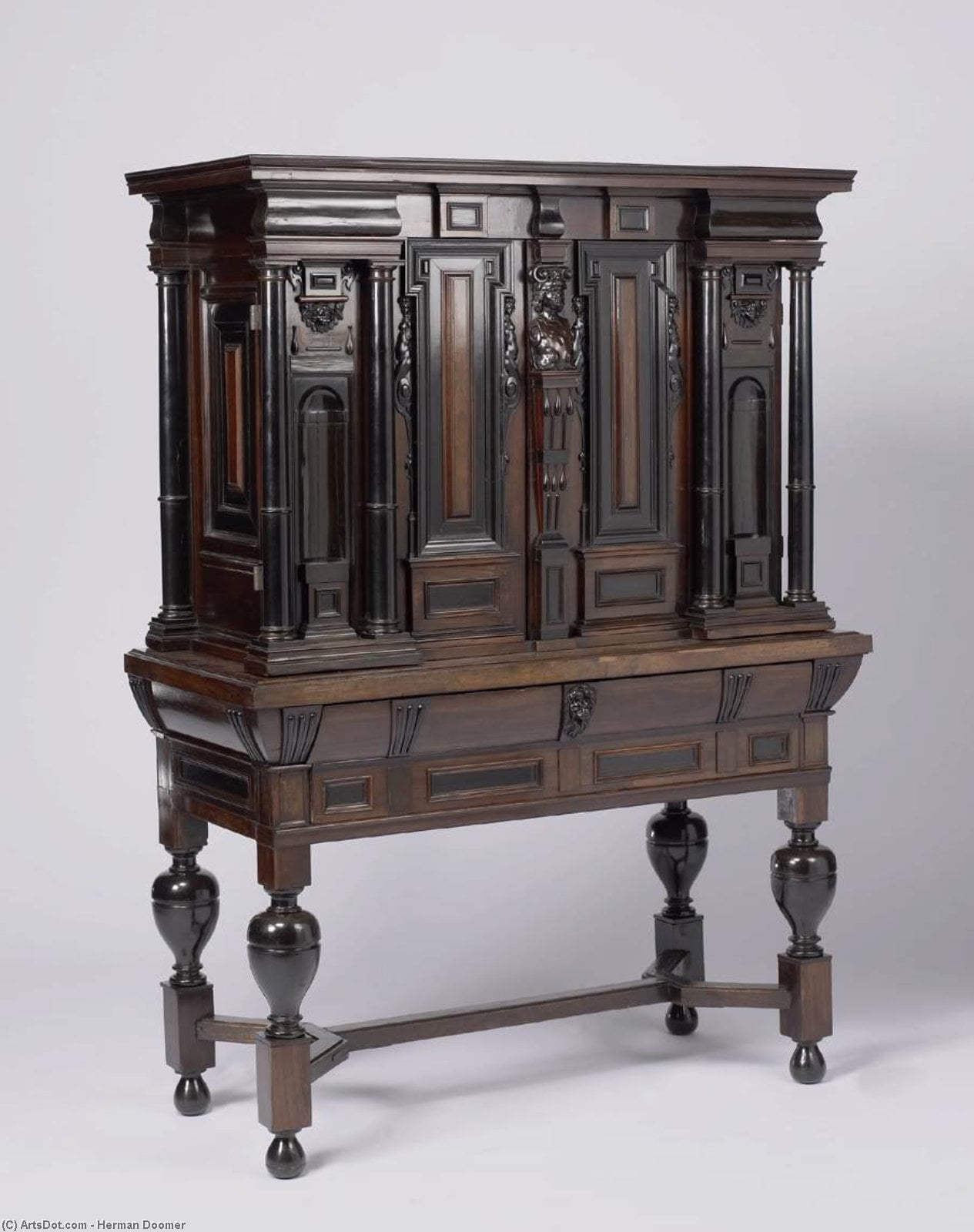
The image before us presents more than just a piece of furniture; it’s a portal into 17th-century Germany, a tangible echo of a period defined by both artistic flourishing and profound social upheaval. This imposing cabinet table, attributed to the hand of Herman Doomer, offers a captivating study in craftsmanship, symbolism, and the evolving aesthetics of the Dutch Golden Age. Doomer’s work, though relatively obscure today, reflects a fascinating confluence of influences – the meticulous detail of Flemish masters, the burgeoning naturalism of Caravaggio, and the distinctly German tradition of intricate wood carving.
The table itself is a testament to the skill of its creator. Constructed from dark-stained oak, it exudes an air of quiet authority, its substantial size suggesting a piece intended for a prominent location within a wealthy household. The multiple doors and drawers are not merely functional; they’re meticulously sculpted with a profusion of floral motifs – roses, lilies, and forget-me-nots – interwoven with scenes depicting figures engaged in everyday life. These aren't idealized portraits but rather glimpses into the realities of the time: a farmer tending his fields, a woman gathering herbs, and even hints of mythological creatures subtly integrated into the decorative scheme. The level of detail is astonishing; one can almost feel the texture of the petals or discern the individual strands of hair on the carved figures.
While Doomer’s style ultimately leans towards the restrained elegance favored in Dutch interiors, a clear influence from Michelangelo Merisi da Caravaggio is discernible. Like Caravaggio, Doomer masterfully employs dramatic chiaroscuro – the interplay of light and shadow – to draw attention to specific elements within the carving. Notice how the light catches on the folds of fabric or highlights the intricate details of a face, creating a sense of depth and immediacy. This technique, borrowed from the Italian painter’s signature style, elevates the cabinet table beyond mere decoration, imbuing it with a palpable sense of drama and emotional resonance. The use of strong contrasts also serves to emphasize the richness and texture of the wood itself.
The date – 1635 – places this cabinet table firmly within the tumultuous period following the Thirty Years’ War. Germany, ravaged by conflict and political fragmentation, experienced a remarkable cultural resurgence during this era, often referred to as the Dutch Golden Age's sister movement. Furniture from this time reflects both the desire for opulent display and a subtle resistance to the devastation of war – a celebration of beauty amidst hardship. The scenes depicted on the cabinet table offer glimpses into the lives of ordinary people, reminding us that even in times of conflict, life continued, marked by routines, traditions, and a deep connection to the natural world.
Beyond its decorative elements, the cabinet table is rich with symbolic meaning. The abundance of floral motifs speaks to themes of fertility, prosperity, and the cyclical nature of life. The figures depicted – farmers, women, mythical creatures – represent a complex interplay between earthly concerns and spiritual aspirations. The turned legs and ball-and-claw feet, a common feature in traditional German furniture design, ground the piece firmly in its regional context while adding an element of visual stability and elegance. The overall composition suggests a harmonious balance between order and chaos, restraint and exuberance – reflecting the complexities of the era in which it was created.
Reproductions of this cabinet table offer a remarkable opportunity to bring a touch of 17th-century German artistry into any interior space. The intricate carvings, combined with the rich dark wood finish, create a statement piece that is both visually stunning and historically significant. Whether displayed in a grand hall or a more intimate setting, this cabinet table serves as a reminder of the enduring power of craftsmanship and the captivating beauty of a bygone era. Its presence evokes a sense of quiet contemplation, inviting viewers to reflect on the stories embedded within its intricate details.
「Cabinet table」の形式はPortraitで、原寸は176 x 130 cmです。どちらの情報も、複製を作成する際の参考になります。
Herman Doomer作「Cabinet table」 は、Living Room に飾るのがおすすめです。作品の主題、色彩、そして雰囲気に合わせたご提案です。
「Cabinet table」は、Baroque Painting様式のもと、Herman Doomerによって制作されました。作者と様式は、その作品が受け継ぐ伝統を定義するものです。


1595 - 1650

 設置イメージを確認
 送る
送る シェア
シェア
 詳細情報
詳細情報 ガイドを表示

 画像をダウンロード
 似ている作品
 X線調査
X線調査 スライドショー
 統計情報
統計情報 続きを読む
続きを読む


