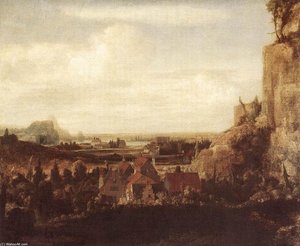
EtchingBaroque
 1625
1625 155.0 x 173.0 cm
 国立美術館 (Rijksmuseum)
当社のアーティストが、お客様のご希望のサイズと額縁に合わせて、キャンバスに手描きで制作する油彩画です。 ( プリント版に切り替え デジタル画像販売へ切り替え)





























作品のオリジナル比率に合わせた、当店の規定サイズからお選びください。

フレームや壁のスペースに合わせて、ご希望の幅と高さを入力してください。本作品は手描きのため、異なる比率のサイズをご希望の場合、絵画の周囲を少し広げて描くか、あるいは端を少しカットして調整することが可能です。お客様のご要望に合わせます。制作を開始する前に、仕上がりを確認するためのデジタルモックアップをお送りいたします。このページに表示されている画像は完成品の実物ではなく、あくまでモックアップによるイメージです。
Two Trees
複製画サイズ一覧
Hercules Pieterszoon Seghers (1590 – c. 1638) stands as a singular figure in the Dutch Golden Age landscape tradition, celebrated for his audacious experimentation with printmaking and his ability to capture the sublime beauty of mountainous vistas. “Two Trees,” created around 1625, exemplifies this distinctive approach—a masterful etching that transcends mere depiction to convey an atmosphere of profound serenity and spiritual contemplation.
The artwork presents a meticulously rendered scene featuring two trees positioned prominently in the center of the composition. One tree is mature and robust, its branches laden with dense foliage, while the other is younger, displaying delicate twigs emerging from the trunk—a subtle gesture hinting at regeneration and resilience. The trees are set against a backdrop of towering alpine peaks bathed in soft, diffused light, creating an illusion of depth that draws the viewer’s eye upwards into the expansive sky.
Seghers' technique is remarkable for its departure from conventional methods. Unlike many artists of his time who relied solely on black ink to achieve tonal effects, Seghers skillfully employed a combination of etching and aquatint—a process involving multiple plates inked with varying degrees of opacity—to produce nuanced gradations of color. The use of azurite and precipitated yellow lake pigments lends the image an ethereal quality, capturing the subtle hues of twilight and enhancing the overall impression of grandeur.
The etching’s historical context is crucial to understanding its significance. Produced during a period marked by intellectual ferment and artistic innovation—the Baroque era—“Two Trees” reflects the burgeoning interest in exploring themes of spirituality and contemplation within the natural world. Seghers' inspiration drew heavily from Flemish landscape painters like Abraham van Ouhibbee, who had pioneered the depiction of dramatic mountainscapes infused with religious symbolism.
More than just a visual representation of scenery, “Two Trees” embodies a philosophical stance rooted in humanist ideals. The tree imagery—particularly the young sapling—represents hope and renewal, mirroring the broader humanist preoccupation with the cyclical nature of life and the enduring power of beauty to uplift the human spirit. Its placement against the majestic Alps underscores the grandeur of God’s creation and invites viewers to contemplate the sublime.
Currently housed at the Rijksmuseum in Amsterdam, “Two Trees” remains a testament to Seghers' artistic genius—a timeless masterpiece that continues to inspire admiration for its technical virtuosity and emotional resonance. It serves as an enduring reminder of the Dutch Golden Age’s fascination with capturing the sublime beauty of nature and conveying profound spiritual truths.
「Two Trees」の色は、彩度がBalanced Soft、強度がVividです。
「Two Trees」は、Baroque様式によるEtchingで制作されています。
ヘラクレス・セーガース作「Two Trees」のX線ビューは、作品のX線解析ページでご覧いただけます。11層の光学レイヤーを通じて画像をインタラクティブに解析できる、詳細な検証機能です。


1590 - 1638 , オランダ

Journey through 10 legendary etching masterpieces by Rembrandt, Dürer & Goya. Explore the history of printmaking and discover timeless art for your home. Find museum-quality reproductions at WahooArt.com.

Explore the rich history of trees in painting! Discover symbolism, Romantic masterpieces by Caspar David Friedrich & beyond. A curated journey for art enthusiasts.

Explore the rich history of etching, from its origins to Rembrandt's masterful innovations. Discover the technique, aesthetic qualities & enduring legacy of this captivating art form. Expert insights for collectors and enthusiasts.

ロマン派絵画の時代を彩る10選。巨匠たちの風景が織りなす感動の世界へ。ターナー、ルーベンスなど、名作の裏話と高精細複製でアートをお部屋に。WahooArt.comで至福のアート体験を。

Master the art of drama with our ultimate guide to Baroque landscapes. Discover the power of chiaroscuro, explore legendary masters, and learn how to curate epic, dark-vibe masterpieces for your collection with expert insights from WahooArt.

 設置イメージを確認
 送る
送る シェア
シェア
 詳細情報
詳細情報 ガイドを表示

 画像をダウンロード
 似ている作品
 X線調査
X線調査 スライドショー
 統計情報
統計情報 続きを読む
続きを読む









 ガラスオプションは、110cm未満のサイズでのみご利用いただけます。