
x


迅速な制作と多彩な仕上げオプションを備えた、ミュージアムクオリティのジークレーまたはキャンバスプリント。 ( 手描きの絵画を購入 画像を購入)





























作品のオリジナル比率に合わせた、当店の規定サイズからお選びください。

特定のフレームやスペースに合わせて、ご自身でサイズを指定することも可能です。選択されたサイズが元の画像の比率と一致しない場合、作品をトリミングするか、鏡面反射または単色での塗りつぶしによって画像を拡張いたします。制作を開始する前に、ご確認用のデジタルモックアップをお送りいたします。
画面上のプレビューには、実際のトリミングや拡張は反映されませんのでご注意ください。最終的な構図を正確に確認できるのは、モックアップのみとなります。
カスタムサイズも承っておりますが、元の比率を維持するためには、あらかじめ用意されたリストからサイズを選択することをお勧めいたします。

Hugh William Williams
複製画のサイズ
Henry Raeburn’s “Hugh William Williams,” painted circa 1818, is more than a simple portrait; it's a carefully constructed window into the heart of the Scottish Highlands and a testament to the artist’s mastery of capturing both likeness and atmosphere. The subject, Hugh William Williams, a prominent watercolourist known for his evocative depictions of the region, is presented in a three-quarter pose, seated within a richly detailed interior that subtly anchors him to a specific place and time. The painting immediately draws the eye with its restrained palette – primarily cool blues, greens, and browns – mirroring the muted tones of the landscape beyond the window, creating an immediate sense of tranquility and contemplative observation.
Raeburn’s technique is a remarkable blend of realism and impressionism. He employs a meticulous attention to detail, evident in the rendering of Williams' clothing – the texture of the fabric, the subtle folds, and the precise depiction of his watch chain—yet simultaneously utilizes loose brushstrokes and carefully placed highlights to evoke the diffused light filtering through the window. The artist masterfully manipulates chiaroscuro, employing strong contrasts between light and shadow to sculpt Williams’ face and hands, lending them a palpable sense of volume and presence. Notice particularly how Raeburn uses subtle gradations of tone to suggest the depth of the room – the receding wall, the shadowed corner—creating an illusion of spatial realism that belies the painting's relatively small scale.
To fully appreciate “Hugh William Williams,” it’s crucial to understand the artistic landscape of early 19th-century Scotland. Following in the footsteps of his predecessor, Sir Henry Raeburn, a Scottish Master of Realism, Williams was part of a burgeoning movement that sought to establish portraiture as a distinctly national art form. Raeburn's success paved the way for other Scottish artists to gain recognition within the Royal Academy and beyond. The painting reflects this shift—a move away from purely formal, aristocratic portraits towards a more intimate and character-driven approach, capturing not just outward appearance but also the personality and spirit of the subject. Williams himself was a significant figure in this movement, known for his own landscape paintings that celebrated the beauty and ruggedness of the Scottish Highlands.
Beyond its technical brilliance, “Hugh William Williams” is rich in subtle symbolism. The window itself serves as a crucial element, framing the scene and acting as a visual metaphor for contemplation and connection to nature. The books stacked on the table suggest Williams’ intellectual pursuits and his engagement with the wider world of art and knowledge. The overall mood of the painting—serene, thoughtful, and slightly melancholic—reflects the quiet dignity of the subject and evokes a sense of nostalgia for a bygone era. It's not merely a portrait; it’s an invitation to step into another time and place, to share in Williams’ contemplative gaze.
“Hugh William Williams” remains a captivating example of Henry Raeburn’s artistic vision and a poignant representation of Scottish identity. Reproductions of this iconic painting continue to resonate with viewers today, offering a glimpse into the beauty and spirit of the Highlands—a timeless testament to the power of art to capture both the physical landscape and the human soul.


1756 - 1823 , イギリス
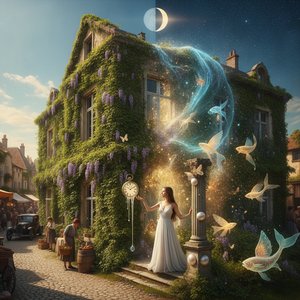
Explore the enigmatic world of Magic Realism. From its German origins to Latin American mastery, discover how this sophisticated movement blends reality with the extraordinary—perfect for discerning collectors seeking depth and wonder in fine art.

Transform your most cherished family memories into breathtaking oil masterpieces. Discover the elegance of bespoke, hand-painted portrait commissions, meticulously crafted by academy-trained artists to create a timeless legacy for your home and generations to come.


最新の美術ニュース、限定オファー、そしてインテリアのアイデアをいち早くお届けします。
お客様のプロジェクトについてお聞かせください。当社の美術専門家が、お客様に合わせた3つのパーソナライズされた芸術提案をご提供いたします。
あなたにぴったりの3作品を無料で厳選いたします


 プレビュー
プレビュー
 シェアする
シェアする シェアする
シェアする
 詳細を見る
詳細を見る

 ダウンロード
 似ている作品
 X線調査
X線調査 スライドショー


 詳細を見る
詳細を見る









 ガラスオプションは、110cm未満のサイズでのみご利用いただけます。


