
迅速な制作と多彩な仕上げオプションを備えた、ミュージアムクオリティのジークレーまたはキャンバスプリント。 ( 手描きの絵画を購入 デジタル画像販売へ切り替え)





























作品のオリジナル比率に合わせた、当店の規定サイズからお選びください。

特定のフレームやスペースに合わせて、ご自身でサイズを指定することも可能です。選択されたサイズが元の画像の比率と一致しない場合、作品をトリミングするか、鏡面反射または単色での塗りつぶしによって画像を拡張いたします。制作を開始する前に、ご確認用のデジタルモックアップをお送りいたします。
画面上のプレビューには、実際のトリミングや拡張は反映されませんのでご注意ください。最終的な構図を正確に確認できるのは、モックアップのみとなります。
カスタムサイズも承っておりますが、元の比率を維持するためには、あらかじめ用意されたリストからサイズを選択することをお勧めいたします。

Francis Horner
複製画のサイズ
Sir Henry Raeburn stands as a pivotal figure in British portraiture, embodying the spirit of the Scottish Enlightenment. His journey from humble beginnings to royal patronage exemplifies artistic dedication and unwavering talent. Orphaned at a young age, his formative years were shaped by the steadfast support of his brother William, who secured him an education at Heriot’s Hospital in Edinburgh—a foundation that proved crucial for honing his artistic vision.
Initially apprenticed to James Gilliland, a goldsmith, Raeburn swiftly developed a mastery of intricate detail and refined skill. This meticulous craftsmanship would become synonymous with his distinctive style. He began creating miniature portraits on ivory, demonstrating an innate ability to capture likenesses with remarkable accuracy—a technique that foreshadowed his later explorations into oil painting.
However, Raeburn’s artistic path wasn't solely defined by technical precision. His fascination with the natural world profoundly influenced his compositions, particularly evident in landscapes infused with Romantic sensibilities. He sought to convey not merely visual representation but also emotional resonance—a desire to capture the essence of human experience within a carefully crafted frame.
Raeburn's artistic breakthrough arrived with his engagement in the Edinburgh Review alongside fellow Whig intellectuals—a collaboration that cemented his reputation as a visionary thinker and influential voice within Scottish intellectual circles. This association fostered an environment of critical debate and encouraged him to champion progressive ideals, shaping his artistic perspective.
His prolific output spanned across various mediums, including portraiture, landscape painting, and printmaking—each reflecting his evolving stylistic sensibilities. Notably, he achieved renown for his depiction of Lord Newton and Dr Alexander Adam in the National Gallery of Scotland, masterpieces that exemplify his masterful command of light and color.
The portrait itself is a testament to Raeburn’s ability to distill complex character into a single image—a feat achieved through careful observation and skillful rendering. The subdued palette of reds and browns contributes to an atmosphere of quiet contemplation, inviting viewers to consider the sitter's inner life alongside his outward appearance.
Furthermore, the inclusion of two chairs—one occupied by Horner and another positioned slightly behind him—creates a dynamic compositional arrangement that subtly conveys notions of intellectuality and social engagement. Raeburn’s meticulous attention to detail extends beyond mere likeness; it encompasses an exploration of psychological nuance and emotional depth.
Beyond its aesthetic merits, the portrait holds significance as a product of its time—a reflection of the Enlightenment’s emphasis on reason and observation. It stands as an enduring symbol of Scottish artistic excellence and continues to inspire admiration for Raeburn's unparalleled skill in capturing the human spirit.


1756 - 1823 , イギリス

Explore the life & work of Henry Raeburn Dobson, a key figure bridging Scottish tradition & modern art. Discover his neoclassical portraits, landscapes, and connection to the Colourists. Learn about collecting his works.

フランシス・ベーコンの傑作25選。魂を揺さぶる表現主義絵画の世界へ。人物画、三面図、ポープ・インノケンティウス10世など、美術史に残る名作をWahooArtで高精細複製画としてご紹介。インテリアに深みと個性を。今すぐコレクションをご覧ください。
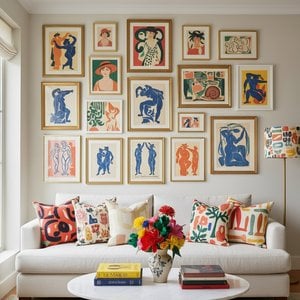
アンリ・マティスの傑作25選🎨 色彩と情熱が織りなす世界を旅する。フォーヴィスム代表の巨匠、マティスの絵画の魅力と歴史を紐解きます。WahooArtで高品質なアートプリントや複製画を見つけ、インテリアに芸術的な輝きを✨ Explore the full collection online

Explore the life & work of Henry Raeburn, a master Scottish portraitist. Discover his innovative techniques, captivating portraits of the Enlightenment era, and lasting legacy in art history. Learn more at WahooArt.

Explore the captivating world of Francis Campbell Cadell, a leading Scottish Colourist. Discover his elegant Edinburgh interiors, vibrant portraits & unique style. Learn about his influences and enduring legacy with WahooArt.


 プレビュー
プレビュー
 シェアする
シェアする シェアする
シェアする
 詳細を見る
詳細を見る

 ダウンロード
 似ている作品
 X線調査
X線調査 スライドショー
 統計情報
統計情報

 詳細を見る
詳細を見る









 ガラスオプションは、110cm未満のサイズでのみご利用いただけます。


