
当社のアーティストが、お客様のご希望のサイズと額縁に合わせて、キャンバスに手描きで制作する油彩画です。 ( プリント版に切り替え デジタル画像販売へ切り替え)





























作品のオリジナル比率に合わせた、当店の規定サイズからお選びください。

特定のフレームやスペースに合わせて、ご希望のサイズをご入力いただけます。選択されたサイズが元の画像の比率と異なる場合、アートワークをトリミングするか、手描きで要素を追加して絵画を拡張いたします。デジタルモックアップ を制作し、制作開始前にご確認(承認)をいただきます。
画面上のプレビューは、実際のトリミングや拡張を正確に反映しているものではありません。最終的な構図は、モックアップによってのみ正確にご確認いただけます。
カスタムサイズもご利用いただけますが、元の比率を維持するためには、あらかじめ用意されたリストからサイズを選択することをお勧めいたします。

A Dog
複製画のサイズ
Henry Raeburn's "A Dog," painted circa 1795, is more than just a depiction of an animal; it’s a profound meditation on companionship, domesticity, and the burgeoning Romantic sensibility taking hold in late 18th-century Britain. This seemingly simple portrait, rendered in oil on canvas with a masterful command of light and shadow, reveals layers of observation and emotional depth that continue to resonate with viewers today. Initially conceived as a miniature for a discerning patron, its subsequent enlargement into a full-length painting cemented Raeburn’s reputation as a leading figure in British art, marking a significant shift away from the rigid formality of earlier portraiture.
The subject itself—a Spaniel or similar breed, judging by its characteristic floppy ears and gentle expression—is presented with an almost startling intimacy. The dog is captured not as a symbol of status or wealth, but as a creature of quiet dignity and inherent goodness. Raeburn’s skill lies in his ability to convey this essence through subtle details: the slight furrow of the brow suggesting thoughtful contemplation, the relaxed posture hinting at contentment, and the soft, diffused light bathing the animal's form. The composition is deliberately uncluttered, focusing entirely on the dog within a dark, undefined space—a deliberate choice that amplifies the subject’s presence and draws attention to its inherent qualities.
Raeburn’s technique is characterized by a remarkable blend of precision and spontaneity. The brushstrokes are loose and expressive, creating a palpable sense of texture—particularly evident in the rendering of the dog's fur, which appears almost tactile. This impasto-like quality, achieved through layers of thick paint applied with visible strokes, contributes significantly to the painting’s emotional impact. The use of chiaroscuro – the dramatic contrast between light and dark – is particularly noteworthy, sculpting the dog’s form and imbuing it with a sense of three-dimensionality. Raeburn was deeply influenced by the Italian masters, notably Caravaggio and Rembrandt, whose techniques he skillfully adapted to his own style. The strong directional lighting, reminiscent of Rembrandt's dramatic use of light, creates a powerful focal point and emphasizes the dog’s form against the dark background.
"A Dog" is imbued with symbolic meaning that reflects the prevailing values of the Romantic era. Dogs have long been associated with loyalty, fidelity, and companionship—qualities highly valued during a period marked by social upheaval and a renewed interest in nature and emotion. The dog’s relaxed posture can be interpreted as an embodiment of peacefulness and contentment, offering a respite from the anxieties of the time. Furthermore, the painting's focus on the domestic sphere aligns with the Romantic movement’s celebration of everyday life and its rejection of aristocratic grandeur. The absence of extraneous details—no elaborate background or ornate accessories—underscores the painting’s emphasis on the simple beauty and inherent worth of the subject.
“A Dog” stands as a pivotal work in Raeburn's oeuvre, demonstrating his mastery of portraiture and his ability to capture not just likeness but also character. It represents a departure from the formal conventions of earlier portraiture, embracing a more intimate and emotionally resonant approach. The painting’s enduring appeal lies in its quiet dignity, its masterful technique, and its profound exploration of human-animal connection. Today, reproductions of this iconic work continue to captivate audiences, offering a glimpse into the artistic sensibilities of a bygone era and reminding us of the timeless beauty found in the simplest of subjects.


1756 - 1823 , イギリス

Explore the profound beauty of Academic Painting and Realism. Discover how master artists capture truth through meticulous technique, offering discerning collectors unparalleled excellence in hand-painted oil reproductions and bespoke fine art commissions.
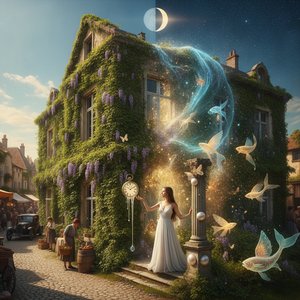
Explore the enigmatic world of Magic Realism. From its German origins to Latin American mastery, discover how this sophisticated movement blends reality with the extraordinary—perfect for discerning collectors seeking depth and wonder in fine art.


 プレビュー
プレビュー
 シェアする
シェアする シェアする
シェアする
 詳細を見る
詳細を見る

 ダウンロード
 似ている作品
 X線調査
X線調査 スライドショー
 統計情報
統計情報

 詳細を見る
詳細を見る









 ガラスオプションは、110cm未満のサイズでのみご利用いただけます。


