
 111.0 x 74.0 cm
 The Literary - Philosophical Society of Newcastle
オンラインプレビューをはるかに凌ぐ、高解像度で鮮明なデジタル画像をご購入いただけます。
各ファイルは、社内の専門家が高度なツールと熟練した手作業によるレタッチを用いて、細心の注意を払って準備されています。すべての画像において、卓越した鮮明度、正確な色彩再現性、そして繊細なディテールを保証いたします。
最終ファイルは、プロフェッショナルな編集・印刷環境ですぐにご利用いただけるよう最適化された状態で、72時間以内にメールにてお届けいたします。これは、一流のデザインスタジオ、出版社、ギャラリーから信頼されているものと同等の品質です。
個人での鑑賞、印刷、クリエイティブなプロジェクト用に、高解像度ファイルをダウンロードできます。 ( プリント版に切り替え 手描きの絵画を購入)
WahooArt.com を選ぶことは、単に画像を手に入れることではありません。それは、プロの手によって精密に仕上げられ、満足保証が付いた高品質なデジタルアートワークを受け取ることを意味します。ご注文いただいた際に自動的に付随する内容は、以下の通りです:

ご注文から72時間以内に、高解像度のデジタル画像ファイルがメールでお手元に届きます。すぐにそのままご利用いただけます。

お客様の作品は、高度なAIツールと専門家による手作業の編集を組み合わせてプロフェッショナルに最適化されており、細部のディテール、鮮明さ、そして正確な色再現性を最大限に引き出しています。

ファイルを誤って削除したり、紛失してしまったりしましたか?ご安心ください。いつでも無料で再送いたします。

関税や手数料、配送料を気にすることなく、お気に入りのアートワークをすぐにお楽しみいただけます。デジタルダウンロードは常に免税です。

プロ仕様のツールとカラーマネジメント技術を用いることで、デジタル画像が元の色を最大限に忠実に再現することを保証いたします。

ご購入いただいたデジタル画像にご満足いただけない場合は、100日以内であれば、理由を問わず修正または100%の返金対応をさせていただきます。

ご満足いただけない場合は、デジタルファイルを受け取ってから100日以内であれば、理由を問わず全額返金いたします。

3枚購入で10%OFF - 5枚購入で15%OFF - 10枚以上購入で20%OFF。クリエイティブなプロジェクト、ギャラリー、エージェンシーに最適です。

Henry Macbeth-Raeburn (1860-1947) stands as a quietly significant figure within the vibrant tapestry of late 19th and early 20th century British art. Born in Helensburgh, Scotland, into an artistic lineage tracing back to Norman Macbeth, a renowned portraitist, Henry’s journey was one of dedicated craft, evolving from a student of the Royal Academy to a respected printmaker deeply connected with the Glasgow Movement. His work, often characterized by meticulous detail and a subtle yet powerful use of light and shadow, reflects both his formal training and his engagement with the innovative spirit of his time.
Early life provided Henry with an immediate immersion in artistic practice. His father’s profession as a mechanical engineer instilled a keen eye for precision, while his family's artistic heritage—including his uncle Robert Walker Macbeth and grandfather Norman Macbeth – fostered a deep appreciation for the visual arts. He began his formal training at the Glasgow School of Art, absorbing the influences of masters like William Cruikshank and developing a distinctive style that blended academic rigor with a growing interest in contemporary trends. Crucially, he adopted “Macbeth-Raeburn” as his surname, a deliberate choice to honor both his artistic idol, Henry Raeburn, and distinguish himself within his family’s established artistic circle.
Henry Macbeth-Raeburn's career truly flourished during his association with the Glasgow Movement – a collective of artists, designers, and craftspeople centered around Charles Rennie Mackintosh and Margaret MacDonald. This movement sought to revitalize British design through a synthesis of craftsmanship, functionality, and artistic expression, rejecting the prevailing Victorian aesthetic in favor of a more modern and democratic approach. Macbeth-Raeburn’s work became inextricably linked with this ethos, particularly his contributions to the production of suffragette banners for the Women's Social and Political Union. These bold, graphic designs—characterized by their striking imagery and powerful messages – demonstrated his commitment to social causes and showcased his burgeoning skills in reproductive engraving.
His involvement extended beyond mere decoration; he actively taught needlework at the Glasgow School of Art, disseminating his innovative techniques and advocating for a shift in perceptions of craft. He championed the use of humble materials like cotton and linen, arguing that beauty could be found not only in luxurious fabrics but also in the skillful manipulation of everyday resources. This philosophy reflected a broader movement towards accessibility and inclusivity within the art world.
Macbeth-Raeburn’s technical prowess is immediately apparent in his prints, which demonstrate an extraordinary command of mezzotint and etching techniques. He meticulously rendered details with remarkable precision, capturing subtle nuances of light and texture. His subjects ranged from portraits – often inspired by the works of Henry Raeburn himself—to scenes of Scottish landscapes and historical figures. A key element of his style was his ability to evoke atmosphere through careful manipulation of tonal values and line weight. He frequently employed a limited palette, prioritizing clarity and impact over excessive color.
His portraiture, in particular, reveals an astute understanding of character and psychological depth. Rather than simply replicating surface appearances, he sought to capture the essence of his subjects—their personalities, emotions, and inner lives. This is evident in works such as his print after Raeburn’s “Dr. Nathaniel Spens,” where Macbeth-Raeburn skillfully translated the master's masterful use of light and shadow into a contemporary medium.
Despite often working behind the scenes, Henry Macbeth-Raeburn earned considerable recognition during his lifetime. He was elected an Associate of the Royal Academy in 1922 and a full member in 1933, solidifying his place within the established British art world. His work has been exhibited at prestigious institutions including the Royal Academy and the Ipswich Art Club, and is now held by collections such as the British Museum. His influence can be seen in the work of subsequent generations of printmakers and designers, particularly those associated with the Glasgow Movement.
Today, Henry Macbeth-Raeburn’s legacy endures as a testament to the power of dedication, innovation, and social engagement. His meticulous prints offer a window into a fascinating period of British art history—a time of experimentation, reform, and a renewed appreciation for the beauty of craft.
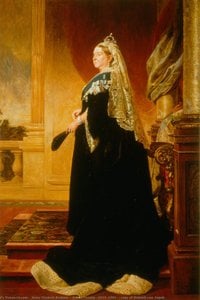
1860 - 1947


 プレビュー
プレビュー
 シェアする
シェアする シェアする
シェアする
 詳細を見る
詳細を見る

 ダウンロード
 似ている作品
 X線調査
X線調査 スライドショー
 統計情報
統計情報 詳細を見る
詳細を見る


