
 Oil On CanvasWallArt19th-century Portraiture
 1837
1837 78.0 x 65.0 cm
 メトロポリタン美術館
当社のアーティストが、お客様のご希望のサイズと額縁に合わせて、キャンバスに手描きで制作する油彩画です。 ( プリント版に切り替え デジタル画像販売へ切り替え)





























作品のオリジナル比率に合わせた、当店の規定サイズからお選びください。

特定のフレームやスペースに合わせて、ご希望のサイズをご入力いただけます。選択されたサイズが元の画像の比率と異なる場合、アートワークをトリミングするか、手描きで要素を追加して絵画を拡張いたします。デジタルモックアップ を制作し、制作開始前にご確認(承認)をいただきます。
画面上のプレビューは、実際のトリミングや拡張を正確に反映しているものではありません。最終的な構図は、モックアップによってのみ正確にご確認いただけます。
カスタムサイズもご利用いただけますが、元の比率を維持するためには、あらかじめ用意されたリストからサイズを選択することをお勧めいたします。

Martin Van Buren
複製画のサイズ
Henry Inman's portrait of Martin Van Buren, painted in 1837, is more than a simple likeness; it’s a carefully constructed representation of power, experience, and the weighty responsibilities of leadership. Executed in oil on canvas with remarkable precision, the painting captures the former Vice President and eighth President of the United States at a pivotal moment in his career – a time marked by both triumph and profound challenge. The image speaks volumes about the era’s aesthetic sensibilities, reflecting the formal restraint and dignified seriousness characteristic of 19th-century portraiture while simultaneously hinting at the man beneath the carefully cultivated public persona.

The composition immediately draws the viewer’s eye to Van Buren's face, centrally positioned within a dark, almost velvety background. This strategic placement emphasizes his presence and conveys an air of solemnity. Inman masterfully employs chiaroscuro – the dramatic contrast between light and shadow – to sculpt Van Buren’s features, highlighting the lines etched by time and experience. The subtle gradations of gray create a sense of depth and texture, lending a remarkable realism to the portrait. Notice how the artist uses delicate brushstrokes to capture the nuances of his expression: a hint of seriousness mingled with an underlying intelligence. The relatively flat perspective, typical of the period, serves to focus attention entirely on the subject, reinforcing the formality of the piece.
Painted during Van Buren’s presidency, a period defined by economic hardship and political turmoil (the Panic of 1837), the portrait reflects both his role as a leader navigating challenging circumstances and the prevailing anxieties of the era. The dark background symbolizes the weighty responsibilities he carried, while his formal attire – a dark suit with a crisp white shirt and tie – speaks to his position of authority. The image is deeply rooted in the political landscape of 1837, a time when the Democratic Party was consolidating its power and grappling with issues of economic reform and westward expansion. Van Buren’s stance against slavery, though carefully managed for political expediency, is subtly present in his demeanor – a quiet dignity that suggests a man aware of the complexities of the nation's divisions.
Henry Inman (1801-1846) stands as a pivotal figure in 19th-century American art, renowned for his portraits of prominent figures alongside significant contributions to landscape painting. His work exemplifies the realism and attention to detail that characterized the era’s artistic standards. Born in Utica, New York, Inman's early training under John Wesley Jarvis instilled in him a deep understanding of portraiture techniques. The Van Buren portrait is a testament to his skill and ability to capture not just physical likeness but also the essence of his subject – a man who embodied both the gravitas of leadership and the complexities of American history. The painting’s enduring appeal lies in its ability to transport us back to a pivotal moment in time, offering a glimpse into the life and character of one of America's most intriguing presidents.

19世紀、胎動期にあったアメリカ美術の風景において、若き国家の変遷するアイデンティティを、これほどまでに親密に捉えた人物は他にいないでしょう。
インマンの芸術的探求は、決して単一のジャンルに留まることはありませんでした。それはむしろ、アメリカという経験そのものを多角的に紐解く旅でした。「リップ・ヴァン・ウィンクル」や「ニュースボーイ」に見られるような、日常の静かな瞬間を捉える類まれな才能を備えていた一方で、彼の真の情熱は人間の精神性を探求することに注がれていました。彼の肖像画は単なる外見の模写ではありませんでした。それは被写体の内なる尊厳と知性を明らかにしようとする、心理的な研究でもあったのです。光と影を緻密に操ることで、彼はその時代の最も影響力のある人物たちの顔に命を吹き込み、アメリカ史を理解する上で今なお不可欠な、指導者たちの知性と威厳の視覚的記録を創り上げました。
インマンのキャリアにおいて、おそらく最も深遠な章は、ネイティブ・アメリカンの遺産保存に対する記念碑的な貢献にあります。名高いリトグラフ画家トーマス・L・マッケニーと協力し、インマンは「北米インディアン部族の歴史」を制作するという、極めて困難な任務に挑みました。この事業において彼は、チャールズ・バード・キングが描いた100点を超える油彩画を、細部に至るまで忠実に模写することを余儀なくされました。これは単なる技術的な複製作業ではなく、歴史を守るための崇高な行為でした。彼の献身的な仕事を通じて、ネイティブ・アメリカンの指導者たちの容貌と文化的尊厳は、アメリカ美術史の永久的な記録へと刻み込まれることになったのです。
この時期の彼の歩みは、変化し続ける大陸の複雑さを記録しようとした当時の知的潮流と、彼自身の深い共感力が一致した瞬間でもありました。これらの原画が持つ壮大さを、より広い聴衆に届く形式へと翻訳する能力は、社会的・歴史的な責任を負う芸術家としての彼の名声を不動のものにしました。彼は美術と民族誌的記録の架け橋となり、文化的な記録保存を目指した初期アメリカの運動における極めて重要な人物となったのです。
インマンが描いた肖像画の幅広さは、19世紀アメリカにおける重要人物たちの「人名録」とも言えるものです。彼のキャンバスには、以下のような驚くべき顔ぶれが並んでいます。
インマンの影響力は、個々の作品の枠を超え、アメリカ美術を形作った制度そのものにまで及びました。全米デザインアカデミーの設立における彼の役割は、アメリカ合衆国における芸術的卓越性のための正式な構造を確立しようとした、彼の強い意志を物語っています。1846年にその生涯はあまりにも短く閉じられましたが、彼の作品が残した衝撃は決して消えることはありません。技術的な熟練と、描かれた対象への深い敬意という稀有な融合によって定義される彼の遺産は、過去の面影が現代を生きる世代へと語り継がれ続けることを、今も約束しているのです。

1801 - 1846 , アメリカ合衆国
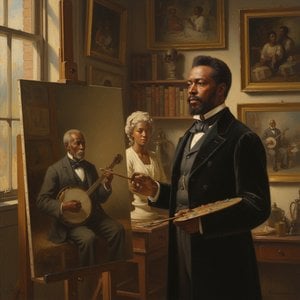
Explore the life and groundbreaking work of Henry Ossawa Tanner, a pioneering African American artist who achieved international acclaim with his deeply spiritual and realistic paintings. Discover his legacy at WahooArt.

Journey through 19th century art with WahooArt! Explore 10 iconic paintings – from Monet & Renoir to Courbet – and discover the stories behind Romanticism, Realism & Impressionism. Find museum-quality reproductions for your home decor. Explore the full collection online!
アンリ・マティスの傑作25選🎨 色彩と情熱が織りなす世界を旅する。フォーヴィスム代表の巨匠、マティスの絵画の魅力と歴史を紐解きます。WahooArtで高品質なアートプリントや複製画を見つけ、インテリアに芸術的な輝きを✨ Explore the full collection online

Explore 10 defining American Realism masterpieces – Hopper, Homer & more. Discover the stories behind these iconic paintings and bring timeless art to your home with WahooArt's museum-quality reproductions. Explore the full collection online.

レンブラントの傑作25選。光と影の魔術師が描いた魂を揺さぶる名画の世界へ。美術史に残る自画像、夜警、宗教画…WahooArtで高品質なアートプリントやインテリアアートをお楽しみください。コレクションはこちら→


 プレビュー
プレビュー
 シェアする
シェアする シェアする
シェアする
 詳細を見る
詳細を見る ガイド
ガイド

 ダウンロード
 似ている作品
 X線調査
X線調査 スライドショー
 統計情報
統計情報 詳細を見る
詳細を見る









 ガラスオプションは、110cm未満のサイズでのみご利用いただけます。


